
Introduction
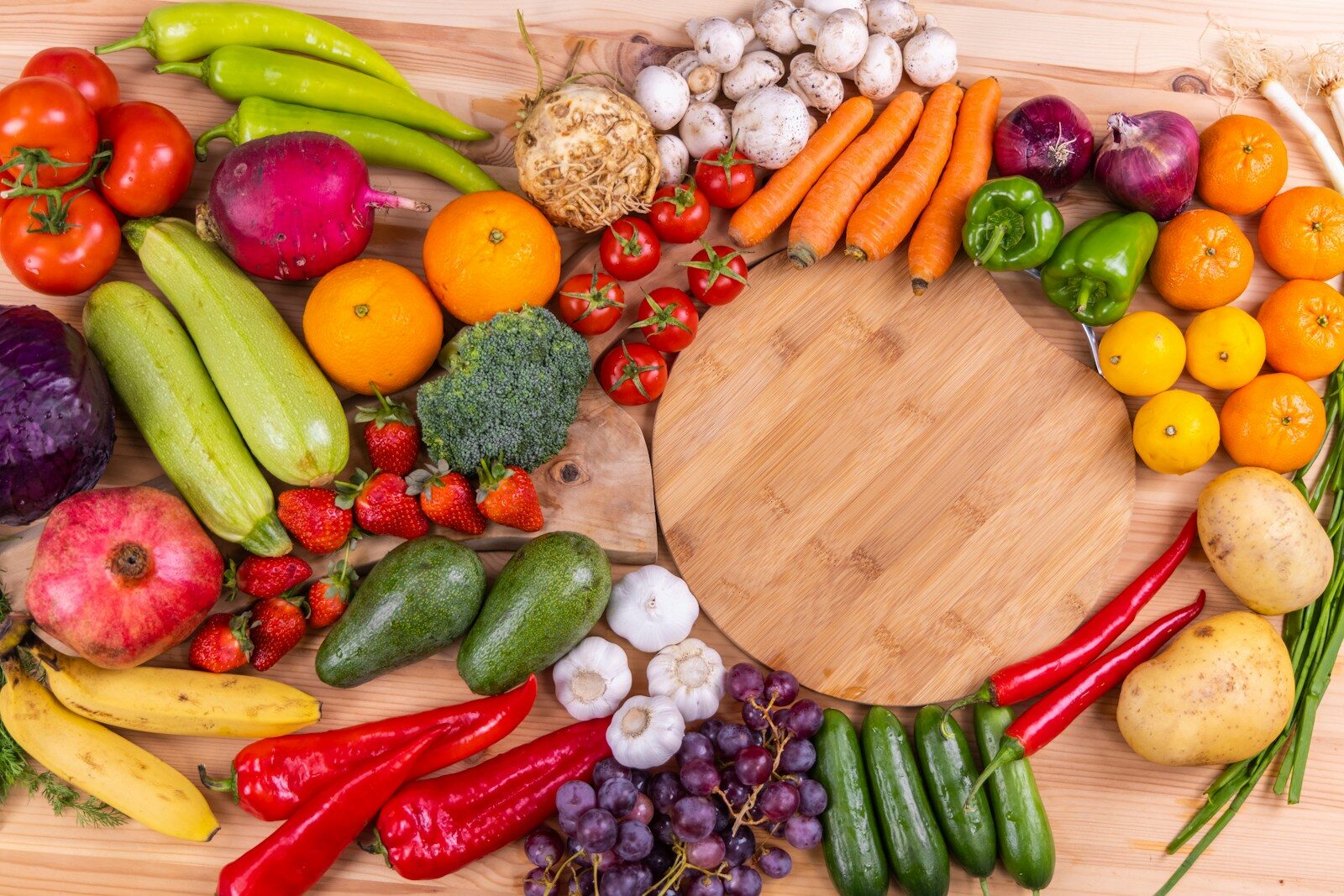
Eating fruits and vegetables every day is one of the easiest and most effective ways to improve your overall health. These natural foods are packed with vitamins, minerals, antioxidants, and dietary fiber that help your body function properly. Whether your goal is to stay fit, strengthen your immune system, improve digestion, or maintain a healthy weight, fruits and vegetables should be an essential part of your daily diet.
Health experts around the world recommend eating a variety of colorful fruits and vegetables because different colors provide different nutrients. A balanced diet that includes fresh produce can reduce the risk of many chronic diseases while giving your body the energy it needs to perform daily activities.
Why Fruits and Vegetables Are Important
Fruits and vegetables are nutrient-dense foods. This means they provide many essential nutrients while being relatively low in calories. They contain vitamins such as Vitamin A, Vitamin C, Vitamin K, and folate, along with important minerals like potassium and magnesium.
These foods are also rich in antioxidants that help protect your body’s cells from damage caused by free radicals. A healthy diet rich in fruits and vegetables supports overall wellness and helps your body recover from everyday stress.
1. Boosts the Immune System
Many fruits and vegetables contain Vitamin C, Vitamin A, and antioxidants that support the immune system. Citrus fruits, strawberries, spinach, and bell peppers are excellent choices for helping your body fight infections.
A strong immune system may help reduce the frequency of common illnesses and support faster recovery.
2. Improves Digestion
Dietary fiber found in fruits and vegetables promotes healthy digestion and supports regular bowel movements. Fiber also feeds beneficial gut bacteria, which play an important role in digestive health.
Foods such as apples, pears, carrots, broccoli, and leafy greens are excellent sources of fiber.
3. Supports Heart Health
Many fruits and vegetables contain potassium, fiber, and antioxidants that support normal heart function as part of a balanced lifestyle. Eating less processed food and more fresh produce can contribute to overall cardiovascular health.
Leafy greens, tomatoes, berries, oranges, and avocados are popular heart-friendly options.
4. Helps Maintain a Healthy Weight
Most fruits and vegetables are naturally low in calories and high in fiber. They help you feel full for longer, making it easier to avoid overeating and unhealthy snacks.
Replacing sugary desserts or processed snacks with fresh fruit can be a simple step toward healthier eating.
5. Promotes Healthy Skin
Vitamins A, C, and E found in many fruits and vegetables support healthy skin. These nutrients help maintain normal skin function and contribute to collagen production.
Oranges, kiwi, carrots, tomatoes, and spinach are excellent choices for skin health.
6. Supports Eye Health
Carrots, spinach, kale, and sweet potatoes contain nutrients such as beta-carotene and lutein, which help support normal vision and eye health.
Including these foods regularly can be part of a healthy eating pattern.
7. Strengthens Bones
Leafy green vegetables provide Vitamin K and calcium, both of which are important for maintaining strong bones.
Broccoli, kale, spinach, and bok choy are nutritious additions to a balanced diet.
8. Improves Energy Levels
Instead of relying on sugary snacks, eating fresh fruits provides natural carbohydrates along with vitamins and minerals that help support daily energy needs.
Bananas, apples, grapes, and oranges make convenient and nutritious snacks.
Best Fruits to Eat Daily
- Apples
- Bananas
- Oranges
- Blueberries
- Strawberries
- Kiwi
- Papaya
- Mangoes (in moderation)
Best Vegetables to Eat Daily
- Spinach
- Broccoli
- Carrots
- Tomatoes
- Cucumbers
- Bell peppers
- Cauliflower
- Cabbage
Tips to Eat More Fruits and Vegetables
- Add fruit to your breakfast.
- Include vegetables with lunch and dinner.
- Keep fresh fruit available for snacks.
- Prepare colorful salads.
- Blend fruits into smoothies.
- Try different seasonal produce.
- Fill half your plate with vegetables.
Conclusion
Eating fruits and vegetables every day is one of the simplest habits that can support long-term health. They provide essential nutrients, fiber, and antioxidants that help your body function at its best. While no single food can prevent disease or guarantee perfect health, including a variety of fruits and vegetables as part of a balanced diet is a practical step toward overall wellness.
Small, consistent changes in your eating habits can make a meaningful difference over time.
Frequently Asked Questions
How many servings of fruits and vegetables should I eat daily?
Many health authorities recommend aiming for at least five servings of fruits and vegetables each day.
Are frozen fruits and vegetables healthy?
Yes. Frozen fruits and vegetables can retain much of their nutritional value and are a convenient option.
Can fruits help with weight management?
Whole fruits can fit into a balanced eating plan because they contain fiber and natural sugars.
Which vegetable is the healthiest?
There is no single “healthiest” vegetable. Eating a wide variety is the best approach.
Is fruit juice as healthy as whole fruit?
Whole fruits generally provide more fiber than fruit juice, making them a better everyday choice.