
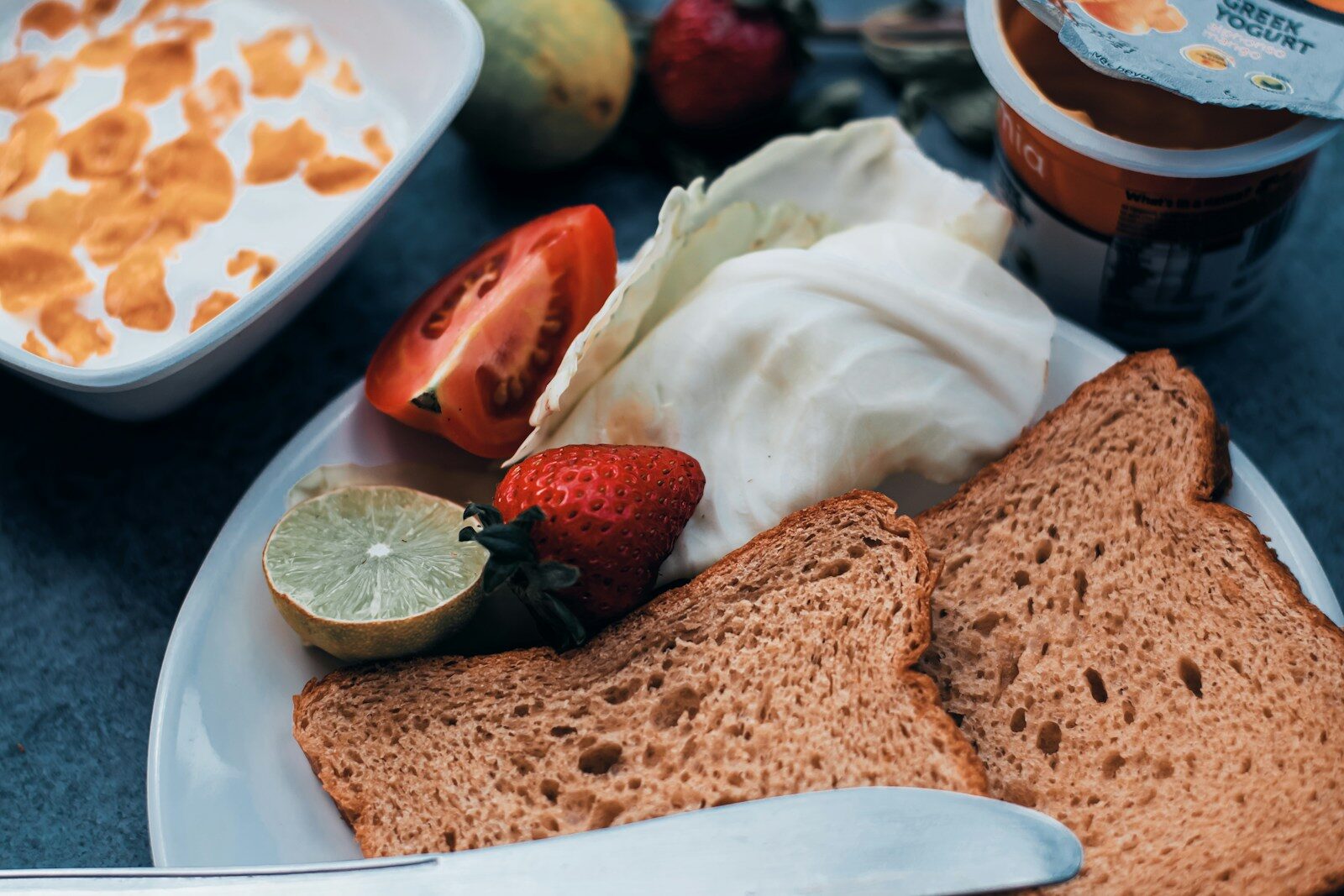
Weight loss is a common health goal, but choosing the right diet can sometimes feel confusing. With so many diet trends, meal plans, and weight loss products available, it can be difficult to know what actually supports healthy and sustainable results. A successful weight loss diet does not need to be extreme. Instead, it should focus on nutritious foods, appropriate portions, regular physical activity, and habits that can be maintained over time.
Healthy weight management is not about starving yourself or completely eliminating entire food groups. It is about creating an eating pattern that provides essential nutrients while helping you manage your overall calorie intake.
What Is a Weight Loss Diet?
A weight loss diet is an eating pattern designed to help a person reduce excess body weight by creating an appropriate calorie deficit. This generally means consuming fewer calories than the body uses over time.
However, calories are not the only consideration. The nutritional quality of food is also important. Choosing vegetables, fruits, whole grains, lean proteins, legumes, and healthy fats can make meals more nutritious and satisfying.
The best plan is one that fits your lifestyle, food preferences, budget, and individual needs.
Focus on Whole Foods
One of the simplest ways to improve a weight loss diet is to focus more on whole and minimally processed foods.
Vegetables, fruits, beans, lentils, whole grains, eggs, fish, poultry, nuts, and seeds can provide important nutrients while helping create balanced meals.
Highly processed foods can still fit into a balanced diet, but eating them frequently may make it harder to manage calories because some are high in added sugars, refined carbohydrates, sodium, or fats.
Eat More Vegetables
Vegetables can be particularly useful in a weight management diet because many are relatively low in calories while providing fiber, vitamins, minerals, and water.
Try filling a significant portion of your meals with vegetables such as spinach, broccoli, carrots, tomatoes, cucumbers, cabbage, peppers, and leafy greens.
Vegetables can be added to omelets, soups, salads, sandwiches, curries, and stir-fries.
The goal is not to eat only vegetables but to use them as an important part of balanced meals.
Include Protein-Rich Foods
Protein is an important nutrient during weight management because it helps maintain body tissues and can contribute to feelings of fullness.
Good protein sources include eggs, fish, chicken, yogurt, milk, beans, lentils, chickpeas, tofu, nuts, and seeds.
Including a protein source in each main meal can make meals more satisfying. For example, breakfast could include eggs and vegetables, lunch could include chicken and salad, and dinner could include lentils with vegetables and whole grains.
Choose High-Fiber Foods
Fiber is naturally found in plant foods and can be an important part of a healthy weight loss diet.
Fruits, vegetables, beans, lentils, oats, whole grains, nuts, and seeds are good sources of fiber.
Fiber can contribute to feelings of fullness and supports digestive health. Increasing fiber gradually and drinking adequate fluids can help your body adjust to dietary changes.
Choose Healthy Carbohydrates
Carbohydrates are an important source of energy and do not necessarily need to be eliminated for weight loss.
Instead of relying heavily on refined carbohydrates, consider nutritious options such as oats, brown rice, whole-grain bread, potatoes, sweet potatoes, beans, lentils, and fruits.
Portion size still matters because even nutritious foods provide calories. A balanced approach is usually more sustainable than completely avoiding carbohydrates.
Include Healthy Fats
Healthy fats can be part of a balanced weight loss diet. Sources include avocados, nuts, seeds, olives, and certain types of fish.
Fat contains more calories per gram than protein or carbohydrates, so reasonable portions are important.
For example, a small serving of nuts or seeds can add healthy fats and nutrients to breakfast or a snack without requiring large amounts.
Drink More Water
Drinks can contribute significant calories, particularly when they contain added sugars.
Choosing water more often can be a simple way to reduce unnecessary calorie intake. Unsweetened tea and other low-calorie beverages can also be useful alternatives.
Staying hydrated is important for overall health, although individual fluid requirements vary based on factors such as activity, climate, and health status.
Limit Added Sugar
Foods and beverages high in added sugar can make it easier to consume more calories than intended.
Common sources include sugary soft drinks, sweetened teas, candies, desserts, and some packaged foods.
You do not necessarily need to eliminate sweets completely. Instead, enjoy them occasionally and focus most of your diet on nutritious foods.
Portion Control Matters
Even healthy foods can contribute to weight gain if consumed in excessive quantities. Portion awareness is therefore an important part of weight management.
Using smaller plates, serving food mindfully, and paying attention to hunger and fullness signals can help some people manage portions.
You do not need to weigh every food or count every calorie to make progress. Some people find calorie tracking useful, while others prefer a simpler portion-based approach.
Sample One-Day Weight Loss Meal Plan
A simple day of balanced eating could include:
Breakfast: Oatmeal with berries and a small serving of nuts.
Morning Snack: An apple or another piece of fruit.
Lunch: Grilled chicken with a large vegetable salad and a serving of whole grains.
Afternoon Snack: Plain yogurt or a small portion of nuts.
Dinner: Lentils or grilled fish with cooked vegetables and a moderate serving of brown rice or potatoes.
Beverages: Water throughout the day, with unsweetened tea or other low-calorie drinks if desired.
This is only an example. Individual calorie and nutrient needs vary considerably.
Exercise and Weight Loss
Diet is important for weight management, but physical activity can also support overall health and help with maintaining weight loss.
Activities such as walking, cycling, swimming, strength training, and other enjoyable forms of movement can be included according to your fitness level and abilities.
Strength training can be especially useful because maintaining muscle is an important consideration during weight loss.
You do not need to exercise intensely every day. Building a consistent activity routine can be more realistic than following an extreme workout program.
Avoid Extreme Diets
Very restrictive diets may promise rapid results, but they can be difficult to maintain and may not provide adequate nutrition.
Skipping meals, severely restricting calories, eliminating entire food groups without a medical reason, or using unproven weight loss products can create unnecessary risks.
A sustainable approach generally focuses on gradual changes that can become long-term habits.
Get Enough Sleep
Sleep is often overlooked when people focus on weight loss. Healthy sleep habits are part of overall wellness and may support better appetite and lifestyle management.
Try to maintain a consistent sleep schedule and create a relaxing bedtime routine. Reducing unnecessary screen use before bed and keeping the sleeping environment comfortable may also help.
Make Your Diet Sustainable
A weight loss diet should fit your real life. If a plan requires expensive ingredients, complicated recipes, or foods you dislike, it may be difficult to maintain.
Choose foods you enjoy and find healthier ways to prepare them. You can also include favorite foods occasionally rather than completely eliminating them.
Progress does not require perfection. If you have an unhealthy meal, simply return to your normal routine at the next meal.
Track Progress Wisely
Weight can naturally fluctuate from day to day because of factors such as water retention, food intake, and other changes.
Instead of focusing on a single measurement, consider longer-term trends. Other indicators, such as improved fitness, better eating habits, increased energy, and changes in clothing fit, may also provide useful information.
If you are trying to lose a significant amount of weight, professional guidance can help you choose a safe and appropriate approach.
Final Thoughts
A healthy weight loss diet is not about eating as little as possible. It is about creating a balanced eating pattern that provides essential nutrients while supporting a reasonable calorie deficit.
Focus on vegetables, fruits, protein-rich foods, whole grains, fiber, and healthy fats. Drink water regularly, manage portions, limit highly processed foods and added sugars, stay physically active, and give your body enough rest.
Most importantly, choose habits you can maintain for the long term. Sustainable weight management takes time, and small consistent changes are often more valuable than extreme short-term diets.
If you are pregnant, have a medical condition, take medications, have a history of disordered eating, or need to lose a substantial amount of weight, consult a qualified healthcare professional or registered dietitian before making major dietary changes.