
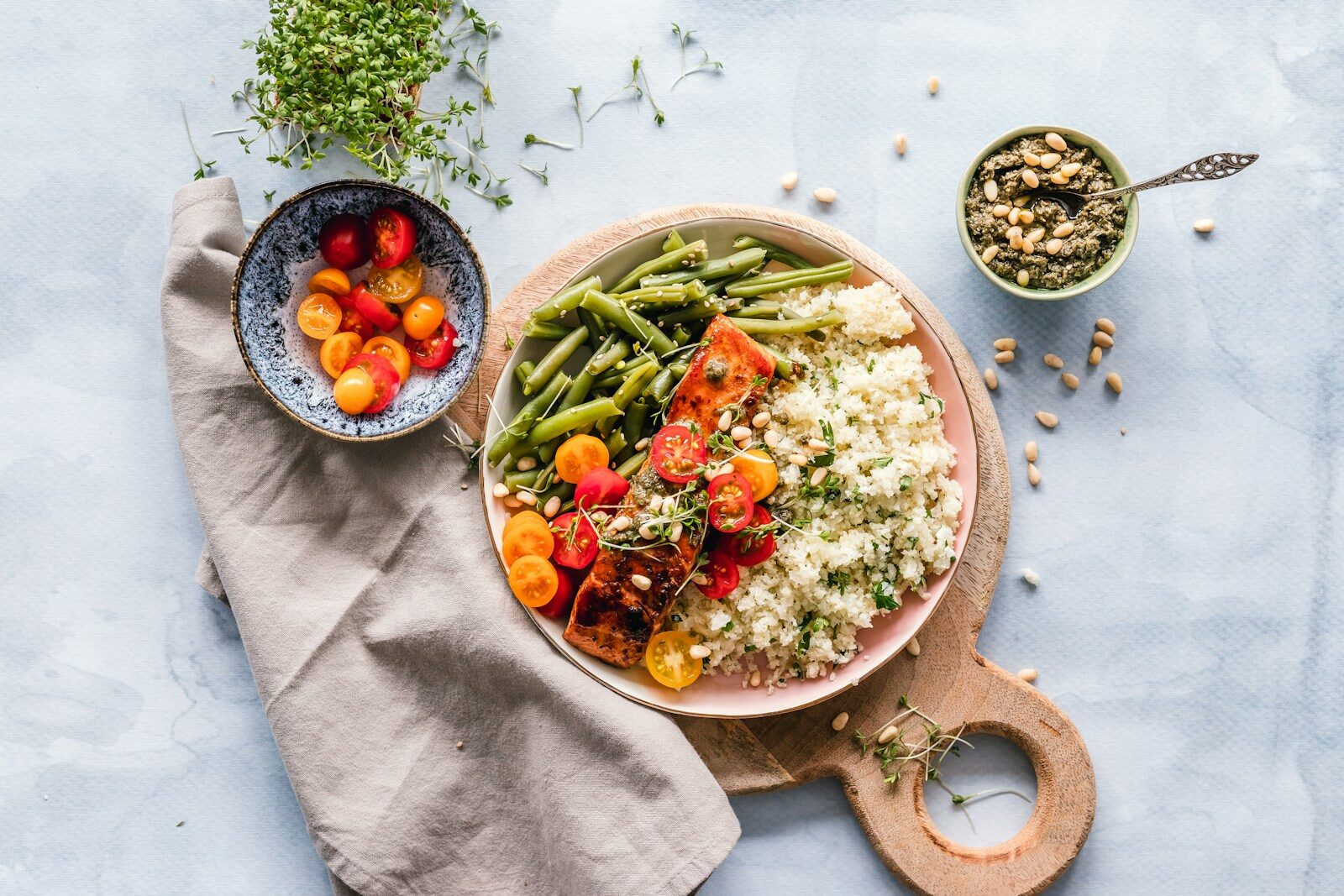
Healthy food plays an important role in maintaining a strong body, a healthy mind, and an active lifestyle. The foods we eat provide the energy, vitamins, minerals, protein, healthy fats, and other nutrients our bodies need every day. A balanced diet can support overall health, help maintain a healthy weight, improve energy levels, and reduce the risk of many health problems.
With busy lifestyles and the growing popularity of processed foods, making healthy food choices has become more important than ever. Fortunately, eating healthy does not have to be complicated or expensive. By choosing more natural, nutrient-rich foods and creating balanced meals, anyone can improve their everyday diet.
What Are Healthy Foods?
Healthy foods are foods that provide important nutrients while supporting the body’s normal functions. They are generally rich in vitamins, minerals, fiber, protein, and beneficial fats. Fruits, vegetables, whole grains, beans, nuts, seeds, eggs, fish, and lean meats are examples of nutritious foods.
Healthy eating is not about completely avoiding your favorite foods. Instead, it is about creating balance and making nutritious foods the main part of your daily meals.
Fruits and Vegetables
Fruits and vegetables are among the most important foods in a healthy diet. They contain vitamins, minerals, antioxidants, and dietary fiber that support different functions in the body.
Apples, bananas, oranges, berries, mangoes, and other fruits can be convenient and delicious snacks. Vegetables such as spinach, carrots, broccoli, tomatoes, cucumbers, and bell peppers can add important nutrients to meals.
Eating a variety of colorful fruits and vegetables is a simple way to get a wider range of nutrients. Fresh, frozen, and minimally processed vegetables can all be useful choices.
Whole Grains
Whole grains are another valuable part of a balanced diet. Unlike refined grains, whole grains retain more of the natural grain and generally provide more fiber and nutrients.
Oats, brown rice, whole-wheat bread, barley, and whole-grain cereals are examples of whole-grain foods. Fiber can help support digestive health and may also help you feel full for longer.
Replacing refined grains with whole-grain alternatives is a simple change that can make everyday meals more nutritious.
Protein-Rich Foods
Protein is essential for building and maintaining muscles and supporting many important processes in the body. A healthy diet can include protein from both animal and plant sources.
Eggs, fish, chicken, lean meat, yogurt, milk, beans, lentils, chickpeas, nuts, and seeds are good examples of protein-rich foods. Plant-based sources such as lentils and beans can also provide fiber and other valuable nutrients.
Including a source of protein in meals may help increase fullness and make meals more satisfying.
Healthy Fats
Not all fats are the same. Healthy fats can be an important part of a balanced diet when consumed in appropriate amounts.
Avocados, nuts, seeds, olive oil, and fatty fish such as salmon are sources of beneficial fats. These foods can provide essential fatty acids and other nutrients.
At the same time, it is helpful to limit foods that are high in trans fats and excessive amounts of saturated fats. Choosing healthier cooking methods and using oils in moderate quantities can support a balanced eating pattern.
Healthy Foods for Breakfast
Breakfast can be an opportunity to start the day with nutritious foods. A balanced breakfast may include protein, whole grains, fruit, and healthy fats.
For example, oatmeal topped with fruit and nuts can provide fiber, carbohydrates, and healthy fats. Eggs with whole-grain toast and vegetables are another nutritious option. Yogurt with berries and seeds can also make a quick and satisfying breakfast.
The best breakfast is one that provides useful nutrients and fits comfortably into your daily routine.
Healthy Foods for Lunch and Dinner
Lunch and dinner can be built around a simple combination of vegetables, protein, and whole grains or other nutrient-rich carbohydrates.
A meal could include grilled chicken, brown rice, and mixed vegetables. Another option might be lentils with vegetables and whole-grain bread. Fish, salad, and potatoes can also create a balanced meal.
Preparing meals at home can make it easier to control ingredients, portion sizes, and cooking methods.
Healthy Snacks
Snacks can be part of a healthy eating pattern, especially when you choose nutritious options. Fresh fruit, unsweetened yogurt, nuts, boiled eggs, vegetables with hummus, or homemade snacks can be better choices than highly processed foods.
It is also important to pay attention to portion sizes. Even nutritious foods can contribute excessive calories when eaten in very large quantities.
Benefits of Eating Healthy Foods
A nutritious diet can provide many benefits. Healthy foods supply the body with essential nutrients needed for energy, growth, repair, and normal functioning.
A balanced diet may also support healthy digestion, maintain energy throughout the day, help maintain a healthy weight, and contribute to heart and metabolic health. Eating a variety of nutrient-rich foods also helps ensure that the body receives different vitamins and minerals.
Healthy eating works best when it becomes a long-term lifestyle rather than a short-term diet.
Tips for Making Healthier Food Choices
Making healthy choices does not require changing everything at once. Small, consistent improvements can make a meaningful difference.
Start by adding more vegetables and fruits to your meals. Choose whole grains when possible and include a good source of protein in your main meals. Drink water regularly and limit sugary drinks. Reduce your intake of highly processed foods, excessive added sugars, and foods that are very high in sodium.
Planning meals ahead of time can also make healthy eating easier. Keeping nutritious foods available at home reduces the temptation to rely on less nutritious convenience foods.
Conclusion
Healthy foods are the foundation of a balanced lifestyle. Fruits, vegetables, whole grains, protein-rich foods, healthy fats, and other minimally processed foods can provide the nutrients the body needs to stay strong and active.
Healthy eating does not mean following a perfect diet or giving up every food you enjoy. The goal is to create a balanced eating pattern that includes a variety of nutritious foods while keeping less nutritious choices in moderation.
By making simple changes, planning balanced meals, and choosing wholesome ingredients more often, you can build healthy eating habits that support your overall well-being for years to come. At Good Carry, learning about healthy foods can be the first step toward making smarter and more informed choices every day.