
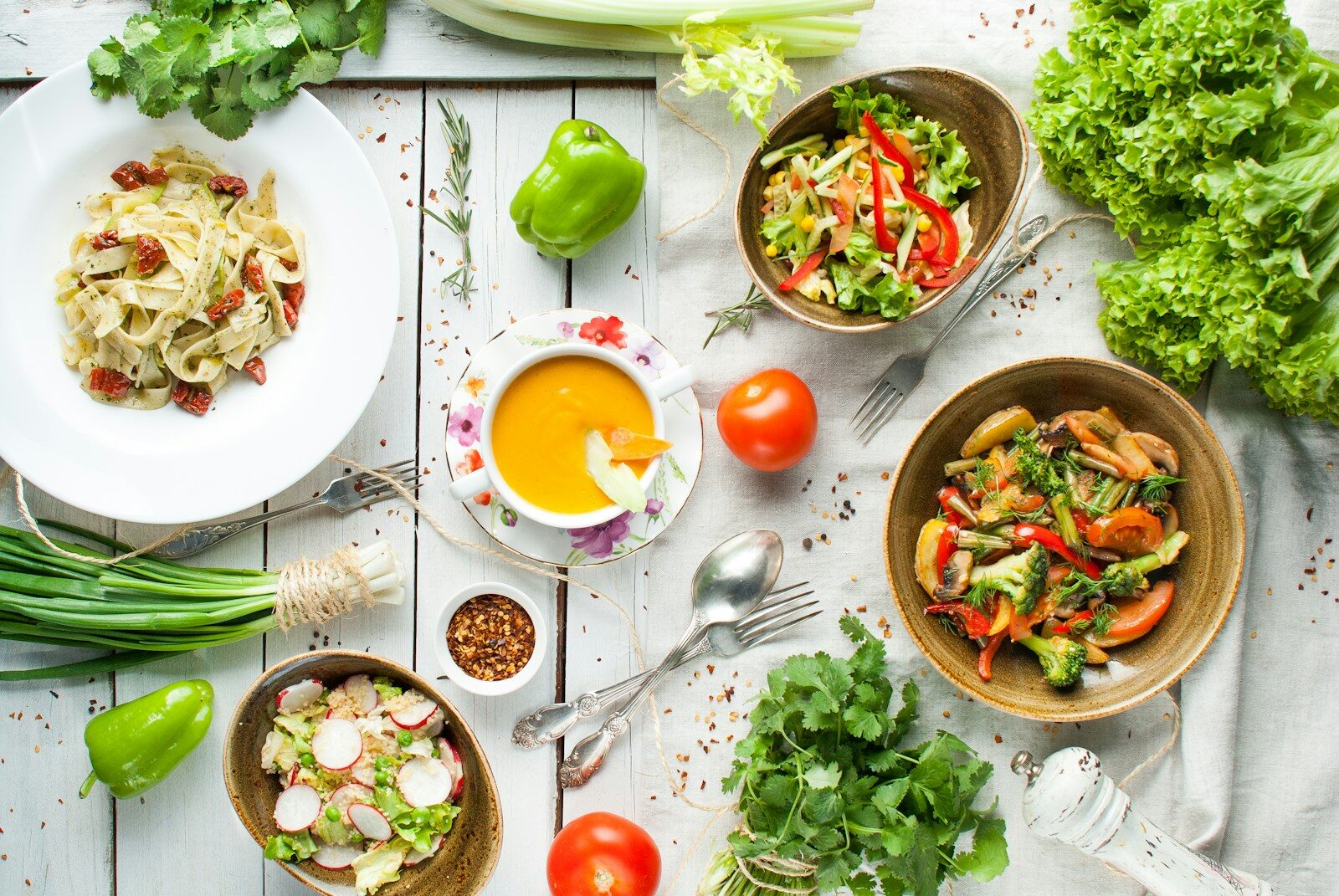
Eating healthy foods is one of the most effective ways to support overall health, maintain energy, and improve quality of life. A balanced diet provides the body with essential nutrients such as protein, carbohydrates, healthy fats, vitamins, minerals, fiber, and water. While healthy eating does not mean giving up all your favorite foods, it does mean choosing nutritious options more often and maintaining a balanced approach.
In today’s busy lifestyle, many people depend on processed foods, sugary drinks, and fast food because they are convenient. However, regularly eating these foods can make it difficult to meet the body’s nutritional needs. Choosing whole and minimally processed foods can help create a healthier eating pattern.
What Are Healthy Foods?
Healthy foods are foods that provide important nutrients while supporting the normal functions of the body. These include fruits, vegetables, whole grains, beans, lentils, nuts, seeds, lean proteins, and nutritious dairy or dairy alternatives.
A healthy diet should include a variety of foods because no single food contains every nutrient the body needs. Eating different foods throughout the day can help ensure that you receive a broad range of vitamins, minerals, protein, fiber, and other beneficial nutrients.
Fruits and Vegetables
Fruits and vegetables are among the most important parts of a healthy diet. They contain vitamins, minerals, antioxidants, fiber, and other plant compounds that support good health.
Apples, bananas, oranges, berries, mangoes, and guavas are nutritious fruit choices. Vegetables such as spinach, carrots, tomatoes, broccoli, cabbage, and bell peppers can also provide valuable nutrients.
It is a good idea to eat fruits and vegetables in different colors. Different colors often indicate different plant compounds, so including a variety can make meals more nutritious and interesting.
Whole Grains
Whole grains are another important component of healthy eating. Unlike refined grains, whole grains contain more of the natural grain, including fiber and nutrients.
Examples include oats, brown rice, whole-wheat bread, whole-grain pasta, barley, and other whole-grain foods. Fiber can help support digestive health and may help you feel full for longer.
Replacing some refined grain products with whole-grain alternatives can be a simple improvement to your daily diet.
Protein-Rich Foods
Protein is essential for building and maintaining muscles and supporting many processes in the body. Healthy protein sources include eggs, fish, chicken, beans, lentils, chickpeas, yogurt, milk, nuts, and seeds.
Plant-based proteins such as lentils, beans, and chickpeas can be especially useful because they also provide fiber and other nutrients. Fish can provide protein as well as beneficial fats, while eggs are an affordable and versatile source of nutrients.
Try to include a source of protein in your main meals to make them more balanced and satisfying.
Healthy Fats
Not all fats are the same. Healthy fats can be part of a balanced diet and are important for normal body functions.
Nuts, seeds, avocados, olive oil, and fatty fish are examples of foods that can provide unsaturated fats. However, fats are calorie-dense, so portion sizes still matter.
Instead of focusing on completely eliminating fat, it is generally better to choose healthier fat sources more often while limiting foods high in trans fats and excessive saturated fats.
Nuts and Seeds
Nuts and seeds are small but nutrient-rich foods. Almonds, walnuts, peanuts, chia seeds, flaxseeds, and pumpkin seeds can provide protein, fiber, minerals, and healthy fats.
They can be added to oatmeal, yogurt, salads, or smoothies. Because they are energy-dense, a small portion can be enough to add nutrition to a meal or snack.
Dairy and Alternatives
Milk, yogurt, and other dairy products can provide protein and important nutrients such as calcium. For people who do not consume dairy, fortified alternatives may provide similar nutrients.
Plain yogurt can be a healthier choice than heavily sweetened varieties. Adding fresh fruit or nuts can make yogurt a nutritious snack without relying heavily on added sugar.
Beans and Lentils
Beans, lentils, and chickpeas are affordable and nutritious foods that can be included in many meals. They provide plant-based protein, fiber, vitamins, and minerals.
These foods can be used in soups, salads, curries, stews, and other dishes. They are particularly useful for people looking for filling plant-based foods.
The Importance of Water
Healthy eating is not only about food. Staying hydrated is also important. Water helps the body perform many essential functions and is usually the best everyday beverage for hydration.
Sugary drinks can add significant amounts of added sugar to the diet without providing much nutritional value. Choosing water more often can be a simple way to improve daily habits.
Benefits of Eating Healthy Foods
A nutritious eating pattern can support several aspects of health. Healthy foods provide nutrients needed for normal body functions, while fiber-rich foods can support digestion and help promote feelings of fullness.
A balanced diet can also make it easier to maintain a healthy weight when combined with appropriate portions and regular physical activity. Eating nutritious foods may also help people maintain steady energy throughout the day.
Healthy eating is not about achieving perfection. It is about making better choices consistently over time.
How to Build a Balanced Meal
Creating a balanced meal can be simple. Try combining vegetables or fruit with a protein source, a whole-grain or other carbohydrate source, and a small amount of healthy fat.
For example, a balanced meal might include grilled chicken, brown rice, and mixed vegetables. Another option could be lentils with whole-grain bread and a fresh salad.
Portion sizes should be adjusted according to individual needs, activity levels, age, and other factors.
Foods to Limit
Healthy eating also involves being mindful of foods that are high in added sugars, sodium, and unhealthy fats. Fast food, sugary beverages, highly processed snacks, sweets, and heavily fried foods can be enjoyed occasionally, but they are generally better limited as regular staples.
Instead of making extreme restrictions, focus on adding more nutritious foods to your daily meals. When healthy foods become the foundation of your diet, less nutritious choices naturally take up less space.
Tips for Eating Healthier Every Day
Small changes can make healthy eating easier. Plan meals ahead of time, keep nutritious snacks available, include vegetables with main meals, choose whole grains when possible, and drink enough water.
Reading food labels can also help you compare products and identify foods that are high in added sugar, sodium, or saturated fat.
Most importantly, avoid trying to change everything at once. Start with a few realistic habits and gradually build from them.
Conclusion
Healthy foods are an important foundation for a balanced and active lifestyle. Fruits, vegetables, whole grains, protein-rich foods, healthy fats, nuts, seeds, beans, and nutritious dairy or alternatives can all contribute to a varied diet.
The goal is not to follow a perfect diet but to develop sustainable eating habits. By choosing nutritious foods more often, controlling portions, staying hydrated, and limiting highly processed foods, you can create a balanced approach to eating that supports your overall well-being.
Remember that individual nutritional needs can vary. If you have specific dietary requirements or health concerns, consider speaking with a qualified healthcare or nutrition professional for personalized guidance.