
Vitamins and minerals are essential nutrients that the human body needs to function properly. Although they are required in relatively small amounts, they play important roles in energy production, immune function, bone health, blood formation, metabolism, and many other biological processes.
A balanced diet is usually the best way to obtain the vitamins and minerals your body needs. Different foods provide different nutrients, which is why eating a variety of fruits, vegetables, whole grains, protein-rich foods, nuts, seeds, and other nutritious foods is important.
What Are Vitamins and Minerals?
Vitamins are organic compounds that the body needs for normal growth and function. Some vitamins are water-soluble, while others are fat-soluble.
Water-soluble vitamins include vitamin C and the B vitamins. The body generally does not store large amounts of many water-soluble vitamins, so regular dietary intake is important.
Fat-soluble vitamins include vitamins A, D, E, and K. These can be stored in the body, which is one reason excessive supplementation can sometimes be harmful.
Minerals are inorganic nutrients that come from the earth and are found in foods and water. Important minerals include calcium, iron, magnesium, potassium, and zinc.
Vitamin A
Vitamin A supports normal vision, immune function, growth, and the health of skin and other tissues.
Foods that provide vitamin A or compounds the body can convert into vitamin A include carrots, sweet potatoes, spinach, pumpkin, eggs, and some dairy products.
Colorful vegetables are particularly useful sources of carotenoids, which are plant compounds related to vitamin A nutrition.
B Vitamins
The B-vitamin family includes several different vitamins that support important functions such as energy metabolism, red blood cell production, and normal nervous system function.
Foods that provide B vitamins include whole grains, eggs, dairy products, meat, fish, beans, lentils, nuts, seeds, and leafy green vegetables.
Vitamin B12 deserves special attention because it is naturally found mainly in animal-derived foods. People following a strict vegan diet may need fortified foods or supplements under appropriate professional guidance.
Vitamin C
Vitamin C is an important nutrient that supports normal immune function, collagen formation, and wound healing. It also acts as an antioxidant.
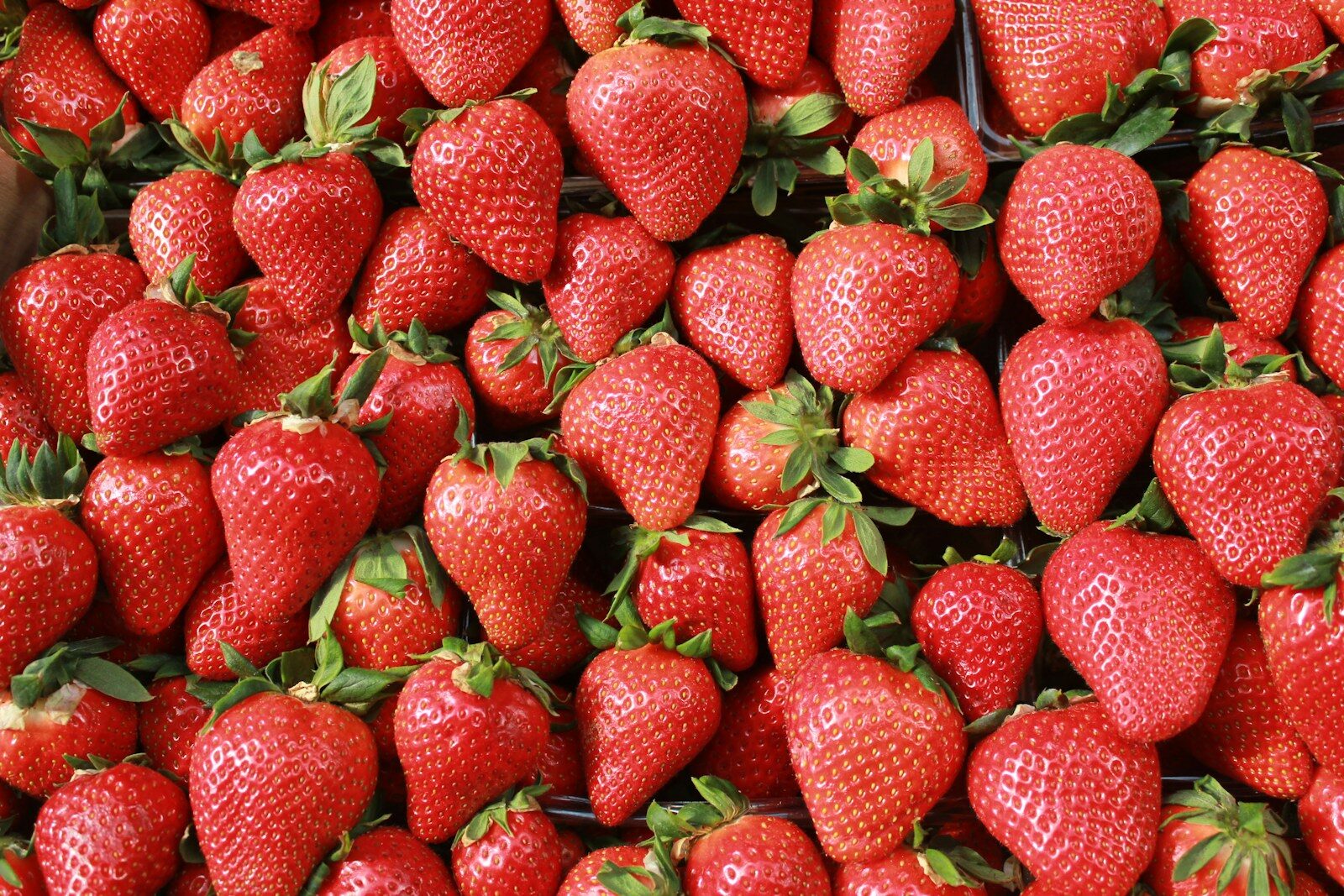
Citrus fruits such as oranges and lemons are well-known sources, but many other foods also contain vitamin C. These include strawberries, kiwi, tomatoes, bell peppers, and broccoli.
Eating a variety of fruits and vegetables can help provide adequate vitamin C through the diet.
Vitamin D
Vitamin D plays an important role in calcium absorption and bone health. It also contributes to normal muscle and immune function.
Vitamin D can be obtained from certain foods, fortified products, and sunlight exposure. Fatty fish, egg yolks, and fortified foods can provide dietary vitamin D.
Vitamin D needs can vary between individuals depending on factors such as age, location, lifestyle, and sun exposure. People concerned about deficiency should speak with a healthcare professional.
Vitamin E
Vitamin E includes compounds that have antioxidant functions in the body. It also supports normal immune function and helps protect cells from oxidative damage.
Good food sources include nuts, seeds, vegetable oils, spinach, and other green vegetables.
A varied diet containing nuts, seeds, vegetables, and healthy oils can help provide vitamin E.
Vitamin K
Vitamin K is important for normal blood clotting and also contributes to bone health.
Leafy green vegetables such as spinach, kale, and other greens are excellent sources of vitamin K. Other vegetables and foods can also contribute to intake.
People taking certain medications that affect blood clotting should discuss major dietary changes with their healthcare professional.
Calcium
Calcium is one of the most important minerals for maintaining strong bones and teeth. It also contributes to normal muscle function and nerve signaling.
Dairy products such as milk, yogurt, and cheese can provide calcium. Other sources include fortified plant-based beverages, leafy greens, tofu made with calcium, and some fish.
Regular intake throughout life is important because bone health depends on many factors, including nutrition and physical activity.
Iron
Iron is essential for the production of hemoglobin, a protein that helps red blood cells carry oxygen around the body.
Foods containing iron include lean meats, seafood, beans, lentils, spinach, and fortified grains.
Iron from plant foods is absorbed differently from iron in animal foods. Consuming vitamin C-rich foods alongside plant sources of iron may help improve absorption.
People should avoid taking iron supplements without appropriate medical advice because excessive iron can be harmful.
Magnesium
Magnesium is involved in hundreds of processes in the body, including muscle and nerve function, energy production, and maintaining normal blood pressure.
Good food sources include nuts, seeds, whole grains, beans, leafy green vegetables, and some dairy products.
Adding foods such as pumpkin seeds, almonds, spinach, and whole grains to meals can help increase magnesium intake.
Potassium
Potassium is an important mineral involved in fluid balance, nerve signaling, and normal muscle function.
Fruits and vegetables are common sources of potassium. Bananas, potatoes, tomatoes, beans, spinach, oranges, and yogurt can contribute to dietary potassium intake.
Eating a variety of plant foods is an effective way to obtain potassium naturally.
Zinc
Zinc supports normal immune function, wound healing, growth, and metabolism.
Sources include meat, seafood, eggs, dairy products, beans, nuts, and seeds.
People who consume a varied diet can often obtain zinc from several different food groups.
Why a Balanced Diet Matters
It is tempting to focus on individual vitamins or minerals, but nutrition works as a complete system. A diet containing many different nutritious foods is more likely to provide a broad range of essential nutrients.
For example, vegetables can provide vitamins and minerals while also contributing fiber and plant compounds. Whole grains can provide B vitamins and minerals, while legumes can provide protein, fiber, iron, and other nutrients.
This is why variety is one of the most important principles of healthy eating.
Food Sources vs. Supplements
For most people, food should be the primary source of vitamins and minerals. Whole foods provide combinations of nutrients that work together as part of a balanced diet.
Supplements can be useful in certain situations, including confirmed deficiencies or specific nutritional needs. However, taking large doses of vitamins and minerals without professional advice is not always beneficial and can sometimes cause harm.
More is not necessarily better when it comes to nutrients.
Signs of Possible Deficiency
Vitamin and mineral deficiencies can cause different symptoms depending on the nutrient and severity of the deficiency. Fatigue, weakness, changes in skin or hair, poor wound healing, and other symptoms can have many possible causes.
If you suspect a deficiency, it is better to speak with a healthcare professional rather than self-diagnosing or taking high-dose supplements.
A healthcare professional can determine whether testing or dietary changes are appropriate.
How to Get More Vitamins and Minerals Naturally
One of the easiest ways to improve nutrient intake is to increase food variety. Include different colors of vegetables and fruits, whole grains, legumes, nuts, seeds, and protein sources throughout the week.
Try adding spinach to eggs, beans to soups, fruit to breakfast, nuts to yogurt, and vegetables to lunch and dinner.
Small changes can make a healthy diet more nutritious without making meals complicated.
Final Thoughts
Vitamins and minerals are essential for maintaining normal body functions and supporting overall health. Nutrients such as vitamins A, C, D, E, and K, along with B vitamins and minerals such as calcium, iron, magnesium, potassium, and zinc, all have important roles in the body.
The best approach is to focus on a varied and balanced diet rather than depending on one food or supplement. Fruits, vegetables, whole grains, legumes, nuts, seeds, dairy or suitable alternatives, and protein-rich foods can all contribute valuable nutrients.
If you have a medical condition, follow a restrictive diet, are pregnant, or are concerned about a possible deficiency, consult a qualified healthcare professional or registered dietitian for individualized nutrition advice.