
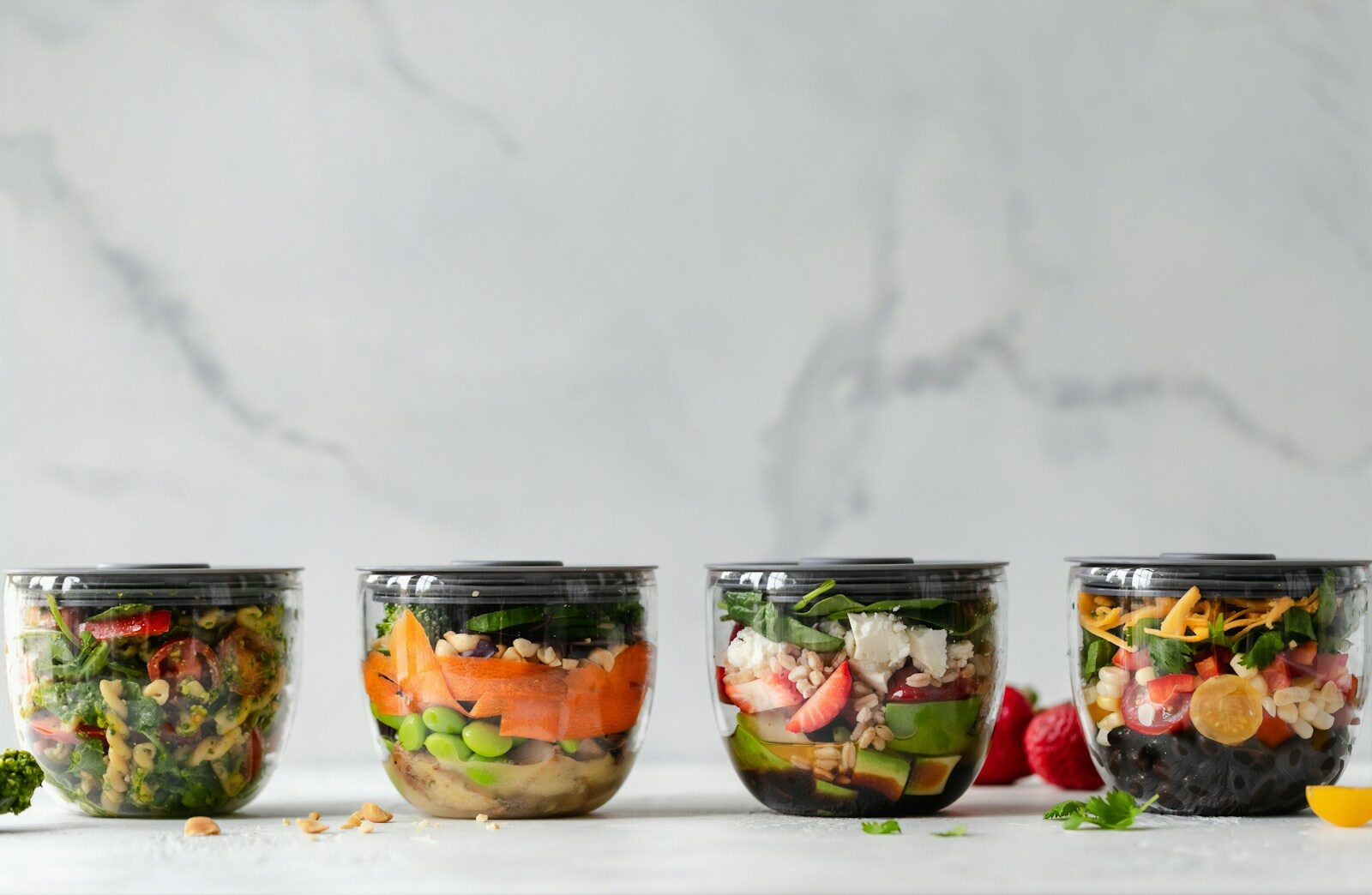
Meal planning is a practical way to organize your daily food choices and develop healthier eating habits. Instead of deciding what to eat at the last minute, a meal plan helps you prepare meals in advance and make better choices throughout the week. A well-designed meal plan can include nutritious foods such as vegetables, fruits, whole grains, lean proteins, healthy fats, and plenty of water.
Many people want to eat healthier but struggle because they are busy, tired, or unsure about what to prepare. Meal planning can solve some of these problems by making healthy eating more organized and convenient. It can also help reduce unnecessary food purchases and food waste.
What Is a Meal Plan?
A meal plan is a schedule that outlines what you intend to eat during a specific period, such as a day or an entire week. It may include breakfast, lunch, dinner, and snacks.
A simple meal plan does not need to be complicated. For example, breakfast could include oatmeal and fruit, lunch could be a chicken and vegetable sandwich, and dinner could include rice, vegetables, and beans or fish.
The purpose is to create a balanced pattern of eating rather than following strict rules.
Benefits of Meal Planning
One of the biggest benefits of meal planning is convenience. When meals are planned ahead, you do not have to spend as much time thinking about what to cook every day.
Meal planning can also encourage healthier choices. When nutritious ingredients are already available, it becomes easier to prepare balanced meals instead of relying heavily on fast food or highly processed snacks.
Another benefit is better organization. A weekly meal plan can help you create a shopping list based on the meals you actually intend to prepare. This can reduce unnecessary purchases and potentially save money.
Meal planning may also help reduce food waste because you can plan meals around ingredients you already have at home.
How to Create a Healthy Meal Plan
Creating a meal plan can be easier when you follow a few basic steps.
First, think about your schedule for the week. Busy days may require quick meals, while days with more free time may be suitable for cooking larger dishes.
Next, choose a variety of nutritious foods. Include vegetables, fruits, whole grains, protein-rich foods, and healthy fats throughout the week.
Then, make a shopping list. Check your kitchen before shopping so you do not purchase ingredients you already have.
Finally, prepare some ingredients in advance. Washing vegetables, cooking grains, or preparing portions of protein can make meals easier to assemble during busy days.
Healthy Breakfast Meal Plan
Breakfast can provide an opportunity to include nutritious foods at the beginning of the day. Some simple options include oatmeal topped with bananas and nuts, eggs with whole-grain toast and vegetables, or yogurt with fruit and seeds.
A weekly breakfast plan could look like this:
Monday: Oatmeal with banana and nuts
Tuesday: Eggs with whole-grain toast and tomatoes
Wednesday: Yogurt with berries and seeds
Thursday: Vegetable omelet with whole-grain bread
Friday: Oatmeal with apples and cinnamon
Saturday: Whole-grain toast with eggs and fruit
Sunday: Yogurt, fruit, and a small serving of nuts
These meals can be adjusted according to personal preferences and dietary needs.
Healthy Lunch Ideas
Lunch should ideally provide a combination of protein, carbohydrates, vegetables, and healthy fats. A balanced lunch can help keep you satisfied and provide nutrients for the rest of the day.
Some simple lunch ideas include grilled chicken with brown rice and vegetables, lentil soup with whole-grain bread, a vegetable and egg sandwich, or a bean salad with fresh vegetables.
If you are taking lunch to work or school, choose meals that are easy to store and transport. Preparing lunch the night before can also save time in the morning.
Healthy Dinner Meal Plan
Dinner does not need to be complicated. A simple combination of protein, vegetables, and a nutritious carbohydrate can create a balanced meal.
For example, you could have grilled fish with brown rice and steamed vegetables. Another option could be lentils with whole-grain bread and a fresh salad.
A basic weekly dinner plan might include:
Monday: Grilled chicken, brown rice, and mixed vegetables
Tuesday: Lentils, whole-grain bread, and salad
Wednesday: Baked fish, potatoes, and steamed vegetables
Thursday: Vegetable and bean curry with brown rice
Friday: Chicken and vegetable stir-fry with whole grains
Saturday: Homemade vegetable soup with whole-grain bread
Sunday: Grilled chicken or fish with vegetables and a side salad
These meals can be changed according to availability, culture, budget, and personal taste.
Healthy Snacks
Snacks can be included in a meal plan when needed. Nutritious options include fresh fruit, plain yogurt, boiled eggs, vegetables with hummus, nuts, seeds, or whole-grain crackers.
Planning snacks can help you avoid making impulsive choices when you become hungry. However, not everyone needs snacks between meals. Your meal schedule should depend on your hunger, activity level, and individual needs.
Meal Planning on a Budget
Healthy meal planning does not always require expensive ingredients. Beans, lentils, oats, eggs, seasonal vegetables, rice, potatoes, and whole grains can be affordable choices in many places.
Buying seasonal produce may also help reduce costs. Preparing food at home can provide greater control over ingredients and portions.
Another useful strategy is to cook larger quantities of certain foods and use them in different meals. For example, cooked beans or grains can be used for salads, bowls, soups, and other dishes throughout the week.
Meal Prep Tips for Busy People
Meal preparation can save time during busy weeks. You do not need to prepare every meal several days in advance. Even small amounts of preparation can help.
You can wash and cut vegetables, prepare a batch of grains, cook beans, boil eggs, or portion snacks ahead of time.
Store prepared foods safely and follow appropriate food-storage practices. Perishable foods should be refrigerated promptly and handled carefully.
Keep Your Meal Plan Flexible
A meal plan should make life easier rather than create stress. Unexpected events may change your schedule, so it is useful to keep your plan flexible.
If you planned to cook a meal but become busy, you can choose a simpler option. You can also move meals from one day to another instead of feeling that you have failed.
Healthy eating is about your overall pattern of choices, not one individual meal.
Common Meal Planning Mistakes
One common mistake is creating an overly complicated plan. Planning too many new recipes at once can become overwhelming.
Another mistake is not considering your actual schedule. If you know you have a busy day, plan something quick rather than a meal that requires extensive preparation.
It is also important to include foods you enjoy. A meal plan that feels restrictive may be difficult to maintain. Variety and flexibility can make healthy eating more enjoyable.
Final Thoughts
Meal planning is a simple strategy that can make healthy eating more organized, convenient, and sustainable. By planning meals ahead, preparing basic ingredients, creating a practical shopping list, and choosing a variety of nutritious foods, you can make better food choices throughout the week.
A successful meal plan does not have to be perfect. It should fit your lifestyle, budget, schedule, and food preferences. Start with a few meals, keep your plan flexible, and gradually develop a routine that works for you.
Remember that individual nutritional needs can vary. If you have a medical condition, food allergy, or specific dietary requirement, consider consulting a qualified healthcare professional or registered dietitian for personalized guidance.