
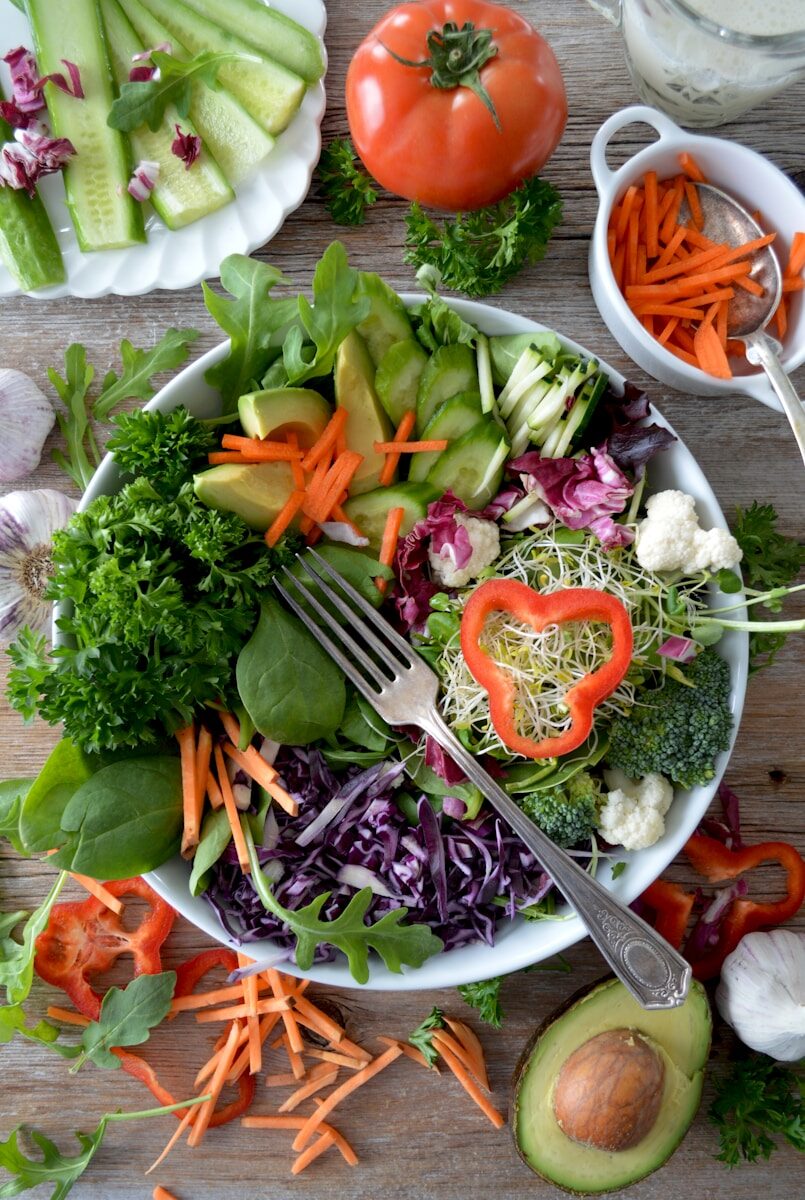
Superfoods have become a popular topic in healthy eating because they are often rich in vitamins, minerals, fiber, antioxidants, and other beneficial nutrients. While the term “superfood” is mainly a popular nutrition term rather than a strict scientific category, it is commonly used to describe foods that provide a high amount of nutrients in a relatively small serving.
Adding nutrient-rich foods to your meals can be a useful part of a balanced diet. However, no single food can provide everything the body needs. The best approach is to enjoy a wide variety of nutritious foods as part of an overall healthy eating pattern.
What Are Superfoods?
Superfoods are generally foods that contain a wide range of important nutrients and beneficial plant compounds. They can include fruits, vegetables, whole grains, legumes, nuts, seeds, fish, and other nutritious foods.
Some commonly recognized examples include berries, spinach, broccoli, oats, beans, lentils, nuts, seeds, avocados, and fatty fish.
The important thing to remember is that you do not need expensive or exotic foods to eat well. Many affordable everyday foods can provide excellent nutrition.
Berries
Berries are often considered nutrient-rich foods because they provide fiber, vitamins, and naturally occurring antioxidant compounds.
Strawberries, blueberries, raspberries, and blackberries can be added to breakfast bowls, yogurt, oatmeal, or smoothies. They can also be enjoyed as a simple snack.
Fresh berries are a great option when available, while frozen berries can also be convenient and useful for smoothies and other meals.
Spinach and Leafy Greens
Leafy green vegetables such as spinach, kale, and other greens can provide important nutrients while adding variety to meals.
Spinach can be added to omelets, soups, salads, sandwiches, and cooked dishes. Because leafy greens are generally low in calories and provide useful vitamins and minerals, they can be a valuable part of a balanced diet.
Try adding a serving of leafy greens to lunch or dinner to increase your vegetable intake.
Broccoli
Broccoli is another nutritious vegetable that can easily fit into many meals. It provides fiber and several vitamins and minerals.
You can steam, roast, stir-fry, or lightly cook broccoli and serve it alongside protein and whole grains. It can also be added to soups and vegetable dishes.
Including different vegetables throughout the week is more important than focusing on one specific vegetable.
Oats
Oats are a popular whole grain that can make a nutritious breakfast. They provide carbohydrates, fiber, and other nutrients.
A bowl of oatmeal can be combined with fruit, nuts, seeds, or plain yogurt. This creates a simple meal with several different food groups.
Oats can also be used in homemade energy bites, baked dishes, and other recipes.
Beans and Lentils
Beans and lentils are affordable sources of plant-based protein and fiber. They are especially useful for people who want to include more plant foods in their diets.
Chickpeas, kidney beans, black beans, peas, and lentils can be used in soups, salads, curries, stews, and rice dishes.
Because legumes can be both nutritious and filling, they can be a practical ingredient for healthy meals on a budget.
Nuts and Seeds
Nuts and seeds provide healthy fats, protein, fiber, vitamins, and minerals. Almonds, walnuts, peanuts, chia seeds, flaxseeds, and pumpkin seeds are examples of nutrient-rich choices.
They can be added to oatmeal, yogurt, salads, or smoothies. They also make convenient snacks.
Because nuts and seeds are energy-dense, moderate portions can be a practical way to include them in a balanced diet.
Avocados
Avocados are known for their creamy texture and are a source of monounsaturated fat. They also provide fiber and several vitamins and minerals.
Avocado can be added to whole-grain toast, salads, sandwiches, or homemade bowls.
Instead of thinking about avocados as a magical health food, consider them one nutritious option among many sources of healthy fats.
Fatty Fish
Fatty fish such as salmon, sardines, and mackerel provide protein and omega-3 fatty acids. These nutrients can be part of a balanced eating pattern.
Fish can be grilled, baked, steamed, or prepared in other healthy ways. Combining fish with vegetables and whole grains can create a balanced meal.
For people who eat seafood, including different types of fish as part of their diet can add variety.
Eggs
Eggs are a convenient and versatile source of protein and several nutrients. They can be prepared in many ways and used in breakfast, lunch, or dinner.
Boiled eggs can be used as snacks, while scrambled or omelet-style eggs can be combined with vegetables and whole-grain toast for a simple meal.
As with other foods, overall dietary patterns and individual nutritional needs matter more than labeling one food as perfect.
Greek Yogurt
Plain Greek yogurt can provide protein and calcium and can be combined with other nutritious foods.
Try adding berries, oats, nuts, or seeds to plain yogurt for a quick breakfast or snack. Choosing unsweetened varieties can also help reduce added sugar compared with some flavored options.
People who cannot tolerate dairy can consider suitable alternatives based on their nutritional needs.
Green Tea
Green tea contains naturally occurring plant compounds and can be enjoyed as a low-calorie beverage when consumed without large amounts of added sugar.
It can be a useful alternative to sugary drinks for people who enjoy its flavor. However, green tea should complement a healthy diet rather than being viewed as a special solution for weight loss or disease prevention.
Dark Chocolate
Dark chocolate with a higher cocoa content can contain antioxidant compounds and can be enjoyed occasionally as part of a balanced diet.
However, chocolate can still contain added sugar and calories, so portion size matters. A small amount can be enjoyed alongside an overall nutritious eating pattern.
How to Add Superfoods to Your Diet
Adding nutrient-rich foods does not require completely changing your diet. Start with small steps.
Add berries to breakfast, include leafy greens with lunch, use beans or lentils in dinner recipes, sprinkle seeds over yogurt, and choose fish when it fits your dietary preferences.
Another useful strategy is to focus on variety. Instead of eating the same “superfood” every day, rotate different fruits, vegetables, grains, proteins, and healthy fats throughout the week.
Are Superfoods Enough for Good Health?
No single food can replace a balanced diet. Eating blueberries every morning will not compensate for an otherwise poor diet, and eating one particular food cannot guarantee good health.
Healthy eating is based on the overall combination of foods you consume. Regular physical activity, adequate sleep, hydration, and other lifestyle habits also contribute to overall wellness.
It is better to focus on building sustainable habits than searching for a miracle food.
Final Thoughts
Superfoods can be a useful way to discover nutritious foods and add more variety to your meals. Berries, leafy greens, broccoli, oats, beans, lentils, nuts, seeds, avocados, fish, and other nutrient-rich foods can all contribute to a balanced diet.
The key is not to rely on one special ingredient. Instead, create meals that contain a variety of whole and minimally processed foods. Choose ingredients that fit your taste, budget, culture, and lifestyle.
Healthy eating does not need to be complicated. Small, consistent choices can help you build a nutritious and enjoyable eating pattern for the long term. If you have specific medical or dietary needs, consult a qualified healthcare professional or registered dietitian for personalized advice.