
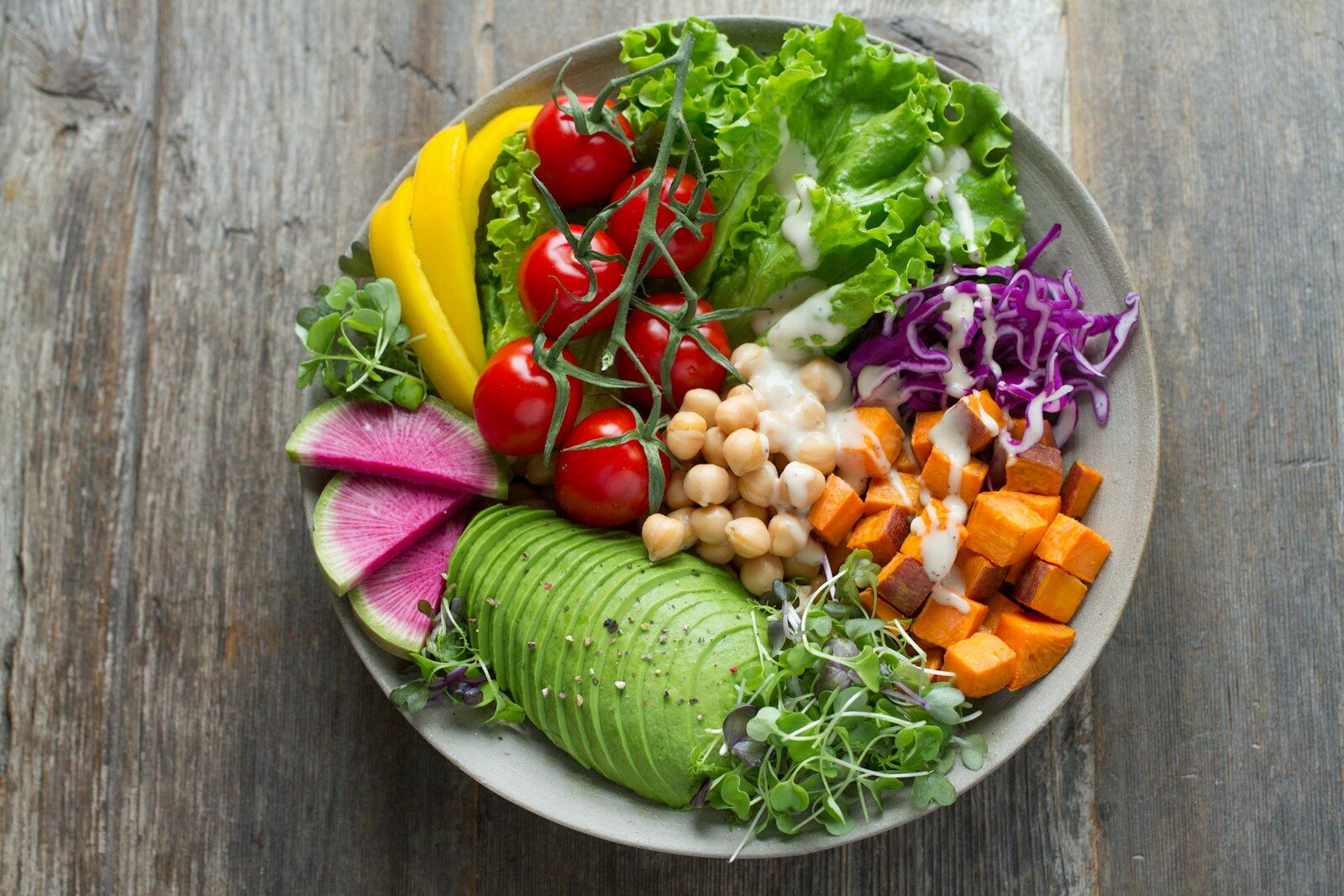
Introduction
A healthy diet is one of the most important factors in maintaining a strong body and a healthy mind. The foods you eat every day provide your body with essential nutrients, vitamins, minerals, and antioxidants that support growth, repair tissues, and protect against diseases.
Choosing nutritious foods doesn’t have to be difficult. By including a variety of fruits, vegetables, whole grains, lean proteins, and healthy fats in your daily meals, you can improve your overall well-being and reduce the risk of many chronic health conditions.
In this article, we’ll explore the top 10 healthy foods that should be part of every balanced diet.
1. Oats
Oats are rich in dietary fiber, especially beta-glucan, which supports heart health and helps lower cholesterol levels. They also provide long-lasting energy, making them an excellent breakfast choice.
Benefits:
- Supports heart health
- Improves digestion
- Keeps you full longer
- Helps control blood sugar
2. Salmon
Salmon is packed with high-quality protein and omega-3 fatty acids. These healthy fats support brain function, heart health, and reduce inflammation in the body.
Benefits:
- Supports brain health
- Promotes healthy skin
- Good source of Vitamin D
- Helps maintain muscle mass
3. Blueberries
Blueberries are among the richest sources of antioxidants. They help protect cells from damage and support memory and immune function.
Benefits:
- High in antioxidants
- Supports brain health
- Strengthens immunity
- Low in calories
4. Spinach
Spinach is loaded with vitamins A, C, K, iron, calcium, and magnesium. It is one of the healthiest leafy green vegetables available.
Benefits:
- Strengthens bones
- Supports eye health
- Improves immunity
- Rich in iron
5. Eggs
Eggs provide complete protein containing all essential amino acids. They also contain Vitamin B12, choline, and healthy fats.
Benefits:
- Builds muscles
- Supports brain function
- Keeps you full
- Easy to prepare
6. Avocados
Avocados contain heart-healthy monounsaturated fats, fiber, potassium, and Vitamin E.
Benefits:
- Supports heart health
- Improves skin health
- Helps control cholesterol
- Rich in healthy fats
7. Almonds
Almonds are an excellent source of Vitamin E, magnesium, protein, and healthy fats.
Benefits:
- Good for heart health
- Supports brain function
- Healthy snack option
- Rich in antioxidants
8. Greek Yogurt
Greek yogurt contains probiotics that improve gut health along with protein and calcium.
Benefits:
- Supports digestion
- Strengthens bones
- High in protein
- Improves gut bacteria
9. Sweet Potatoes
Sweet potatoes are rich in fiber, Vitamin A, potassium, and antioxidants.
Benefits:
- Supports eye health
- Improves digestion
- Boosts immunity
- Provides steady energy
10. Green Tea
Green tea contains powerful antioxidants known as catechins that help protect the body from free radicals.
Benefits:
- Supports metabolism
- Promotes heart health
- Improves brain function
- Rich in antioxidants
Tips for Eating Healthy
- Eat a variety of colorful fruits and vegetables.
- Choose whole grains instead of refined grains.
- Drink enough water throughout the day.
- Limit sugary drinks and processed foods.
- Include lean protein in every meal.
- Control portion sizes.
- Avoid excessive salt intake.
Why Healthy Foods Matter
Eating healthy foods every day can help:
- Improve energy levels
- Support healthy weight management
- Strengthen the immune system
- Reduce the risk of heart disease
- Improve digestion
- Support healthy skin and hair
- Maintain strong bones and muscles
- Enhance mental health
Healthy eating is not about strict dieting. It is about making smart food choices consistently over time.
Conclusion
A balanced diet filled with nutritious foods is one of the best investments you can make for your health. The ten foods listed above are packed with essential nutrients that help your body function properly and support long-term wellness. Remember that no single food can provide everything your body needs, so aim for variety and balance in your meals.
Start with small changes, such as adding more fruits, vegetables, and whole grains to your plate. Over time, these healthy habits can make a significant difference in your overall health and quality of life.
Frequently Asked Questions (FAQs)
1. What are the healthiest foods to eat every day?
Foods such as oats, spinach, eggs, salmon, blueberries, almonds, yogurt, and fresh fruits are excellent daily choices.
2. Can healthy foods help with weight loss?
Yes. Healthy foods that are high in fiber and protein can help you stay full longer and support healthy weight management when combined with regular physical activity.
3. How many servings of fruits and vegetables should I eat daily?
Most adults benefit from eating at least five servings of fruits and vegetables each day as part of a balanced diet.
4. Are healthy fats good for the body?
Yes. Healthy fats from foods like avocados, nuts, seeds, and fish support heart health and overall body function.
5. Is drinking water important for a healthy diet?
Absolutely. Staying hydrated helps regulate body temperature, supports digestion, and keeps your body functioning properly.