
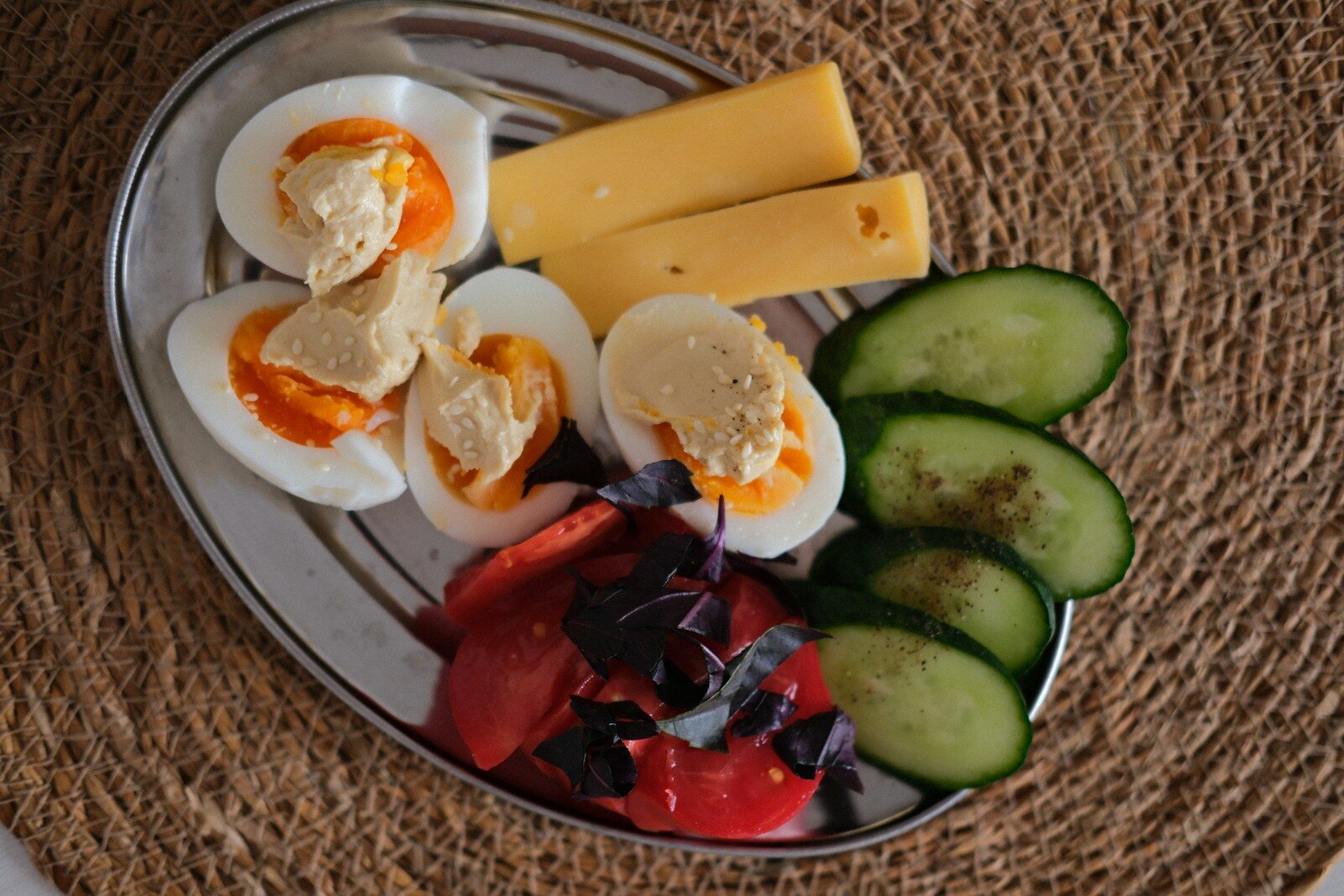
Losing weight is a common health goal for many people, but successful weight loss is not about following extreme diets or skipping meals. A healthy weight loss diet should provide the body with essential nutrients while creating a reasonable calorie deficit. The best approach is one that can be followed consistently over time without leaving you hungry, weak, or deprived.
A balanced diet, regular physical activity, adequate sleep, and healthy lifestyle habits can all contribute to successful weight management. Instead of focusing only on the number on the weighing scale, it is important to build habits that support overall health.
What Is a Weight Loss Diet?
A weight loss diet is a balanced eating plan designed to help a person consume fewer calories than the body uses while still receiving important nutrients. The goal is not to eat as little as possible. Instead, the focus should be on choosing nutritious foods that provide protein, fiber, vitamins, minerals, and healthy fats.
Foods such as vegetables, fruits, whole grains, lean proteins, beans, and healthy fats can make meals more filling and nutritious. Highly processed foods, sugary drinks, and excessive portions can make it harder to maintain a calorie deficit.
Start Your Day With a Healthy Breakfast
Breakfast can be a useful part of a healthy eating routine. A nutritious breakfast containing protein and fiber may help you stay satisfied throughout the morning.
Good breakfast choices include eggs with whole-grain toast, oatmeal with fruit and nuts, Greek yogurt with berries, or a vegetable omelet. If you prefer a lighter breakfast, fruit and yogurt can also be a simple option.
The important thing is to choose foods that fit your nutritional needs rather than relying on sugary cereals, pastries, or heavily processed breakfast foods every day.
Include Protein in Your Meals
Protein is an important part of a weight loss diet because it helps support muscles and can increase feelings of fullness. Including a source of protein in each main meal can make it easier to control hunger.
Healthy protein sources include eggs, chicken, fish, beans, lentils, yogurt, cottage cheese, tofu, and other lean protein foods. For people following a vegetarian diet, lentils, chickpeas, beans, and tofu can provide useful sources of protein.
A balanced plate can include a protein source along with vegetables and a moderate portion of whole grains or other carbohydrates.
Eat More Vegetables and Fiber-Rich Foods
Vegetables are naturally rich in vitamins, minerals, water, and fiber while generally being relatively low in calories. Adding more vegetables to meals can increase food volume without adding excessive calories.
Try including leafy greens, carrots, cucumbers, tomatoes, broccoli, cauliflower, peppers, and other vegetables in your meals. Fruits can also be part of a healthy weight loss plan.
Fiber-rich foods such as oats, beans, lentils, vegetables, fruits, and whole grains can help support digestive health and contribute to feelings of fullness.
Choose Healthy Carbohydrates
Carbohydrates are not automatically bad for weight loss. The type and portion size matter. Instead of eliminating carbohydrates completely, choose nutritious sources such as oats, brown rice, whole-grain bread, potatoes, sweet potatoes, beans, and other whole grains.
Highly refined foods and foods containing large amounts of added sugar can be easier to overeat. Replacing some refined carbohydrates with higher-fiber alternatives can make meals more satisfying.
Don’t Forget Healthy Fats
Healthy fats are another important part of a balanced diet. Foods such as nuts, seeds, avocados, olive oil, and fatty fish provide beneficial fats and other nutrients.
However, fats are calorie-dense, so portion sizes are important when your goal is weight loss. A small amount can add flavor and nutritional value without making a meal unnecessarily high in calories.
Drink More Water
Staying hydrated is an important part of a healthy lifestyle. Water is generally a better everyday choice than sugary sodas, sweetened juices, and other high-calorie beverages.
Some people confuse thirst with hunger and may snack when they actually need fluids. Drinking water regularly throughout the day can help maintain hydration and may also make it easier to reduce unnecessary calorie intake from beverages.
Limit Highly Processed Foods
You do not have to completely eliminate your favorite foods to lose weight. However, foods that are high in added sugar, refined carbohydrates, unhealthy fats, and calories can be difficult to fit into a calorie-controlled diet when eaten frequently.
Try to limit foods such as sugary drinks, sweets, fried fast food, packaged snacks, and oversized portions. Instead of banning these foods completely, focus on moderation and an overall balanced eating pattern.
Portion Control Matters
Even healthy foods can contribute to weight gain when eaten in very large amounts. Learning appropriate portion sizes can therefore be helpful.
One simple strategy is to fill about half of your plate with vegetables, include a moderate portion of protein, and add a reasonable serving of whole grains or other carbohydrate-rich foods. Eating slowly and paying attention to hunger and fullness signals can also help prevent overeating.
Combine Diet With Physical Activity
Diet plays an important role in weight management, but physical activity can provide additional benefits. Walking, cycling, swimming, strength training, and other enjoyable activities can help increase energy expenditure and support overall fitness.
You do not necessarily need an intense workout every day. Starting with regular walking and gradually increasing activity can be a practical approach for many people. Strength training can also help maintain muscle while losing weight.
Get Enough Sleep
Sleep is often overlooked when people focus on weight loss. Poor sleep can affect appetite, energy levels, mood, and food choices.
Aim for a consistent sleep schedule and create a relaxing bedtime routine. Limiting excessive screen time before bed and maintaining a comfortable sleeping environment may also support better sleep.
Avoid Extreme Diets
Very restrictive diets may promise rapid weight loss, but they can be difficult to maintain and may not provide adequate nutrition. Extreme calorie restriction can also leave you feeling tired and hungry.
A gradual approach is generally more sustainable. Instead of trying to lose weight as quickly as possible, focus on developing healthy habits that you can maintain for months and years.
Example of a Simple Weight Loss Meal Plan
A simple day of balanced meals could include oatmeal with fruit and a few nuts for breakfast. Lunch might consist of grilled chicken or lentils with a large vegetable salad and a serving of brown rice or whole-grain bread.
For an afternoon snack, you could choose fruit, plain yogurt, or a small portion of nuts. Dinner could include grilled fish, chicken, tofu, or beans with cooked vegetables and a moderate portion of potatoes or whole grains.
The exact amount of food needed varies from person to person depending on factors such as age, body size, activity level, and individual health needs.
Final Thoughts
A successful weight loss diet does not need to be complicated. The key is to eat mostly nutritious foods, control portions, include enough protein and fiber, stay hydrated, remain physically active, and develop habits that are realistic for your lifestyle.
Remember that weight loss is a gradual process, and occasional setbacks are normal. Rather than searching for a quick fix, focus on making small and sustainable improvements. If you have a medical condition, are pregnant or breastfeeding, take medications that affect weight, or have a history of disordered eating, it is best to seek personalized advice from a qualified healthcare professional before making major dietary changes.