
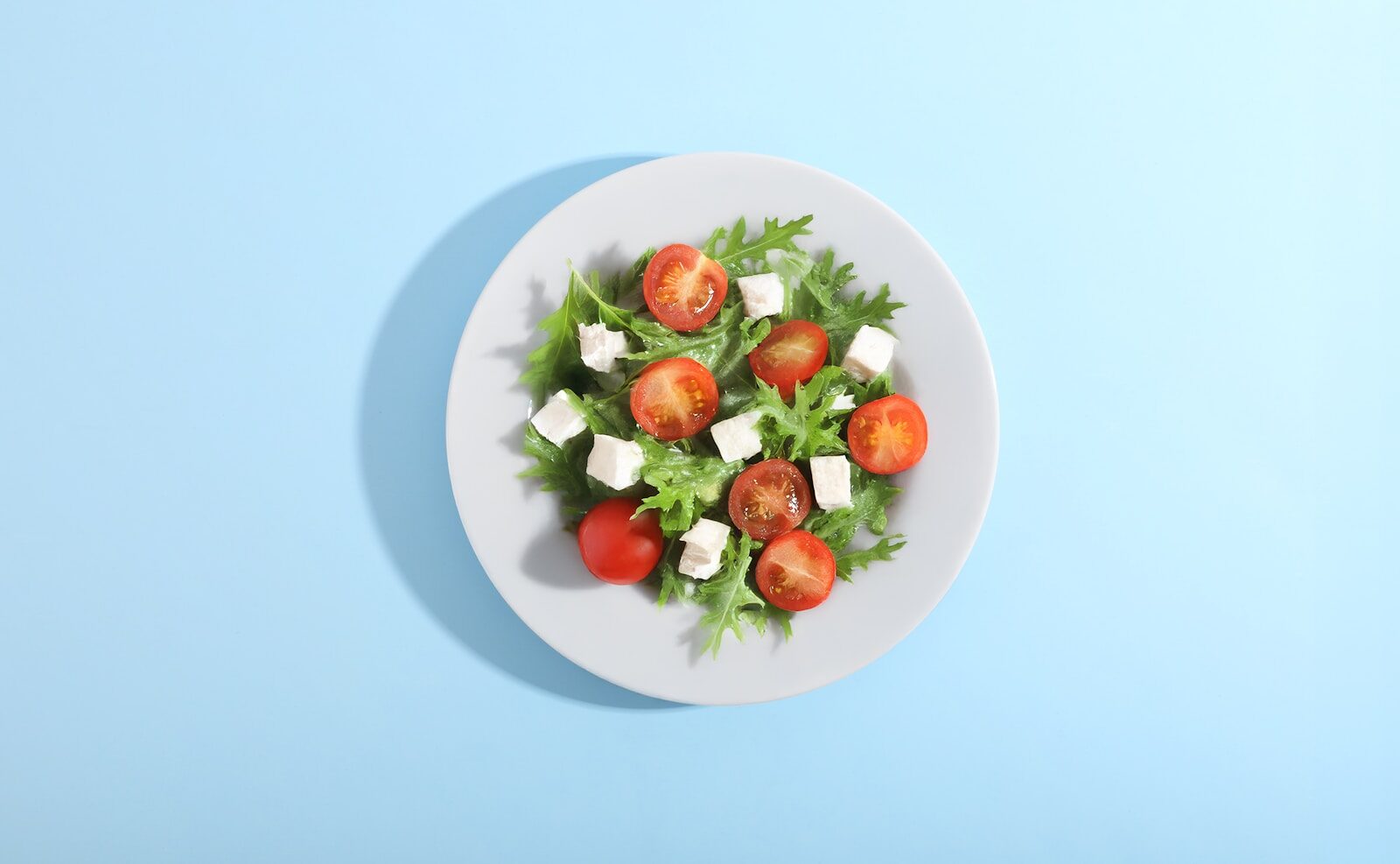
Losing weight is a common health goal for many people, but successful weight loss is not simply about eating less food. A healthy weight loss diet focuses on balanced nutrition, sensible portions, regular physical activity, and habits that can be maintained over time. Extreme diets may produce quick results, but they are often difficult to follow and may not provide the nutrients the body needs.
A sustainable approach combines nutritious foods with appropriate calorie intake while allowing flexibility and enjoyment. The goal is to develop healthier habits rather than follow a temporary diet.
What Is a Weight Loss Diet?
A weight loss diet is an eating pattern designed to help a person consume fewer calories than their body uses while still providing essential nutrients. This is commonly known as a calorie deficit.
However, the quality of food matters. A diet based mainly on highly processed foods may make it harder to feel satisfied and obtain enough nutrients. Choosing vegetables, fruits, whole grains, lean proteins, beans, and healthy fats can make a calorie-controlled diet more nutritious and filling.
Weight loss needs vary from person to person, so there is no single diet that works equally well for everyone.
Eat More Vegetables
Vegetables are excellent foods to include in a weight loss diet because many are relatively low in calories while providing fiber, vitamins, minerals, and water.
Leafy greens, cucumbers, tomatoes, carrots, broccoli, cauliflower, peppers, and other vegetables can add volume and nutrition to meals.
Try filling a significant portion of your plate with vegetables. They can be eaten raw, steamed, roasted, grilled, or added to soups and other dishes.
Choose Protein-Rich Foods
Protein can help support muscle maintenance and may increase feelings of fullness. Including a protein source with meals can make a weight loss diet easier to manage.
Good choices include eggs, chicken, fish, yogurt, beans, lentils, peas, tofu, and other protein-rich foods.
For example, a meal could combine grilled chicken with vegetables and brown rice, or lentils with vegetables and a whole-grain food.
Include Healthy Carbohydrates
Carbohydrates are an important source of energy and do not necessarily need to be eliminated for weight loss. The focus should be on choosing nutritious sources and appropriate portions.
Whole grains such as oats, brown rice, barley, quinoa, and whole-wheat bread can provide carbohydrates along with fiber and other nutrients.
Fruits, potatoes, beans, and other nutrient-rich carbohydrate sources can also be part of a balanced weight loss diet.
Choose Healthy Fats in Moderation
Healthy fats can contribute to satisfaction and provide important nutrients. Avocados, nuts, seeds, olives, and certain types of fish are examples of foods containing beneficial unsaturated fats.
Because fats are calorie-dense, portion sizes are important when weight loss is the goal. A small serving of nuts or seeds can be a nutritious addition to a meal without making the diet overly restrictive.
Drink More Water
Water is an important part of a healthy lifestyle. Drinking water regularly can help maintain hydration and may be a better choice than beverages containing large amounts of added sugar.
Soft drinks, sweetened juices, energy drinks, and other sugary beverages can add significant calories without providing the same fullness as solid foods.
Choosing water or other low-calorie beverages more often can support a calorie-conscious eating pattern.
Portion Control Matters
Even nutritious foods can contribute to weight gain when eaten in very large portions. Portion control is therefore an important part of weight management.
Using smaller plates, serving food mindfully, and paying attention to hunger and fullness signals can help people manage portions without feeling overly restricted.
It is also useful to eat slowly and avoid automatically taking second servings before determining whether you are still hungry.
Sample Weight Loss Meal Plan
A simple day of balanced meals might include oatmeal with berries and a small amount of nuts for breakfast.
For lunch, you could have grilled chicken or lentils with a large vegetable salad and a moderate serving of brown rice or whole-grain bread.
A healthy snack could include fruit, plain yogurt, or a small serving of nuts.
Dinner might consist of grilled fish, chicken, beans, or lentils with plenty of vegetables and a suitable portion of whole grains or potatoes.
This is only a general example. Individual calorie and nutrient needs vary based on factors such as age, body size, activity level, and personal health circumstances.
Foods to Limit
A weight loss diet does not require completely eliminating favorite foods. However, foods high in added sugars, refined carbohydrates, unhealthy fats, and excess calories are generally best eaten less often or in smaller portions.
Examples include sugary beverages, sweets, fried foods, highly processed snacks, and large portions of fast food.
Enjoying these foods occasionally can fit into a balanced lifestyle. The overall eating pattern is more important than perfection.
The Importance of Exercise
Diet is an important part of weight management, but physical activity can also support healthy weight loss and overall fitness.
Activities such as walking, cycling, swimming, strength training, and other forms of exercise can help increase energy expenditure and support muscle health.
Combining a balanced diet with regular physical activity can create a healthier lifestyle than relying on food restriction alone.
Avoid Extreme Diets
Very restrictive diets can be difficult to maintain and may leave people feeling tired, hungry, or frustrated. Eliminating entire food groups without a valid reason can also make it harder to obtain important nutrients.
Healthy weight loss is generally gradual rather than extremely rapid. Building sustainable habits is more useful than searching for a quick solution.
If you have a medical condition, are pregnant or breastfeeding, take medications, or have specific nutritional needs, consult a qualified healthcare professional before making major dietary changes.
Tips for Successful Weight Loss
Planning meals in advance can make healthy choices easier. Keeping nutritious foods available at home can also reduce the temptation to rely on highly processed convenience foods.
Eating enough protein and fiber, drinking water, getting adequate sleep, and staying physically active can all support a healthy lifestyle.
It is also important to track progress realistically. Weight can naturally fluctuate from day to day, so focusing on long-term trends and healthy habits is often more useful than becoming concerned about small daily changes.
Conclusion
A healthy weight loss diet is based on balance, moderation, and consistency. Instead of relying on extreme restrictions, focus on nutritious foods such as vegetables, fruits, whole grains, lean proteins, beans, and healthy fats.
Controlling portions, drinking water, limiting highly processed foods, and staying physically active can help support long-term weight management.
The most effective weight loss plan is one that fits your lifestyle and can be maintained over time. By making gradual improvements and developing sustainable habits, you can work toward a healthier weight while still enjoying a varied and satisfying diet.