
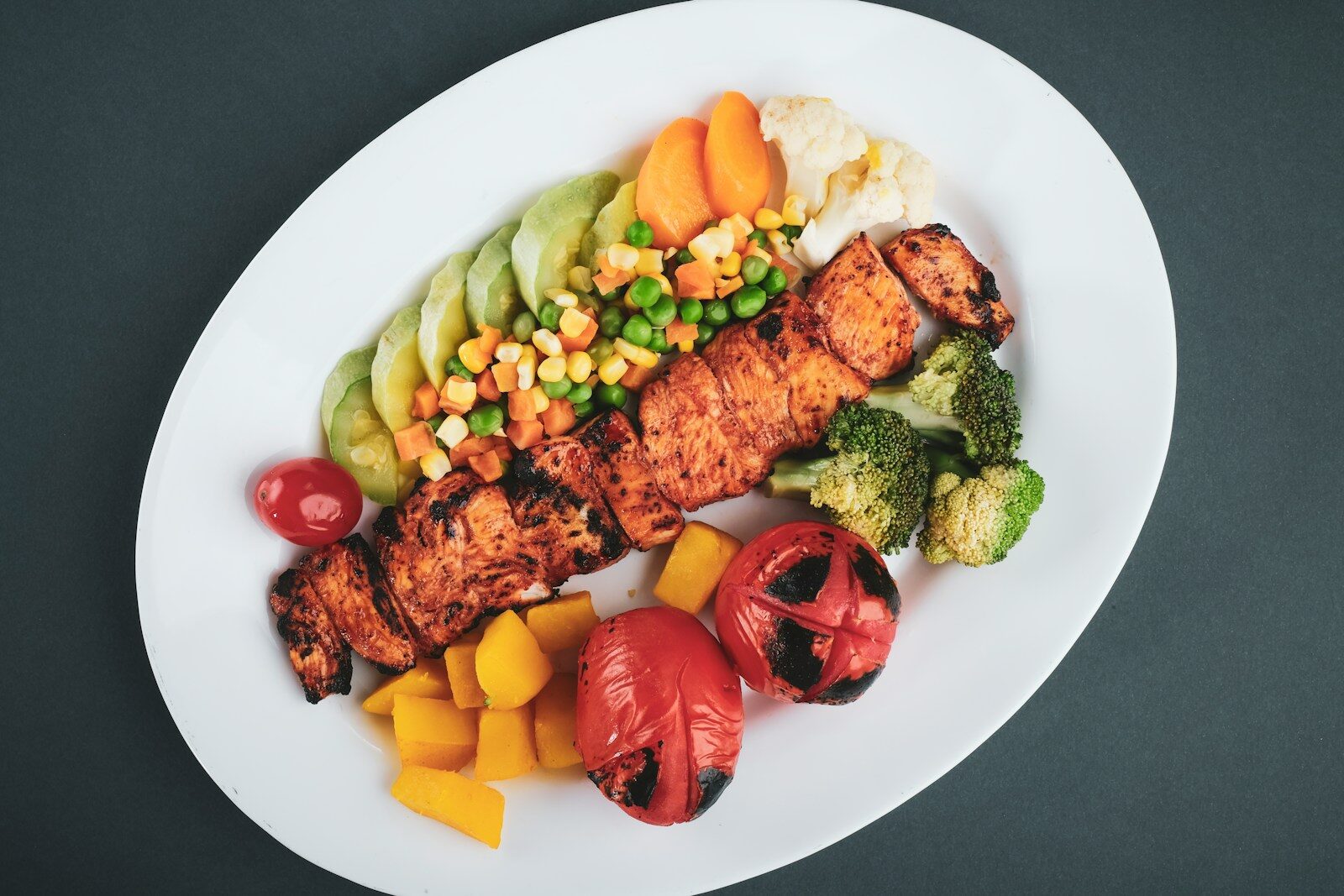
A well-planned diet can make healthy eating easier, more affordable, and more enjoyable. Meal plans provide a simple way to organize daily meals while making sure the body receives a variety of essential nutrients. Instead of deciding what to eat at the last minute, a meal plan allows you to prepare nutritious foods in advance and develop better eating habits.
A good meal plan does not need to be complicated. It can include familiar foods such as vegetables, fruits, whole grains, eggs, chicken, fish, beans, lentils, yogurt, nuts, and seeds. The key is to create balanced meals and choose appropriate portions according to individual needs.
What Is a Meal Plan?
A meal plan is an organized schedule that outlines what you intend to eat during a particular period, such as one day or one week. It may include breakfast, lunch, dinner, and healthy snacks.
Meal planning can help reduce unhealthy food choices because you already know what you are going to eat. It can also make grocery shopping easier because you can create a shopping list based on your planned meals.
A meal plan should be flexible rather than strict. If your schedule changes, you can adjust your meals while still focusing on nutritious choices.
Benefits of Meal Planning
One of the biggest benefits of meal planning is convenience. Preparing meals ahead of time can save time during busy weekdays. Instead of ordering fast food or skipping meals, you can have nutritious options ready.
Meal planning can also help control food portions. When meals are prepared in advance, it can be easier to avoid overeating.
Another benefit is better grocery management. Planning meals before shopping can help you buy only the ingredients you need and reduce unnecessary purchases and food waste.
Meal planning may also make it easier to include a wider variety of foods. You can intentionally add different fruits, vegetables, proteins, and whole grains throughout the week.
How to Create a Healthy Meal Plan
Start by thinking about your schedule. Consider which days you will be at home, working, studying, traveling, or attending other activities. Then decide how many meals you realistically need to prepare.
A balanced meal can include a protein source, vegetables or fruit, a healthy carbohydrate, and a small amount of healthy fat.
For example, grilled chicken with brown rice and vegetables can make a balanced lunch or dinner. A vegetarian option could include lentils, whole-grain bread, and a fresh salad.
Sample Healthy Breakfast Ideas
Breakfast can provide energy and nutrients to start the day. Some simple options include oatmeal topped with fruit and nuts, eggs with whole-grain toast and vegetables, or plain yogurt with fruit and seeds.
Another option is a fruit and yogurt smoothie. When preparing smoothies, using whole fruit and avoiding excessive added sugar can help keep the drink more nutritious.
Breakfast does not have to be large. The most important thing is to choose foods that fit your nutritional needs and daily routine.
Sample Lunch Ideas
Lunch should be satisfying enough to provide energy for the rest of the day. A chicken and vegetable bowl with brown rice is one simple option. A lentil or chickpea salad with vegetables and whole-grain bread is another nutritious choice.
You can also prepare a homemade vegetable soup with beans or lentils. Adding a protein source can make the meal more filling.
Preparing lunch at home can make it easier to control ingredients, portion sizes, and the amount of added salt or sugar.
Sample Dinner Ideas
Dinner can follow the same basic principles as lunch. For example, baked fish with roasted vegetables and a serving of whole grains can create a balanced meal.
Other options include chicken with vegetables, lentil curry with brown rice, or a bean and vegetable stew with whole-grain bread.
Try to include vegetables regularly at dinner. They can be steamed, roasted, grilled, or cooked into soups and curries.
Healthy Snack Ideas
Snacks can be useful when you are hungry between meals. Good choices include fresh fruit, a small handful of nuts, plain yogurt, boiled eggs, carrots, cucumber, or roasted chickpeas.
The goal is not to eliminate snacks but to choose nutritious options and pay attention to portions.
Keeping healthy snacks available at home or at work can make it easier to avoid highly processed snack foods when hunger appears.
A Simple 7-Day Meal Plan
A weekly meal plan can be customized according to personal preferences and nutritional needs.
Day 1:
Breakfast: Oatmeal with banana and nuts
Lunch: Grilled chicken, brown rice, and vegetables
Snack: Apple and yogurt
Dinner: Lentil soup with whole-grain bread and salad
Day 2:
Breakfast: Eggs, whole-grain toast, and tomatoes
Lunch: Chickpea salad with vegetables
Snack: Orange and a small portion of nuts
Dinner: Baked fish with vegetables and brown rice
Day 3:
Breakfast: Plain yogurt with berries and seeds
Lunch: Chicken and vegetable wrap
Snack: Carrots and cucumber
Dinner: Lentil curry with vegetables and whole-grain bread
Day 4:
Breakfast: Oatmeal with apple and cinnamon
Lunch: Bean salad with whole-grain bread
Snack: Banana and yogurt
Dinner: Grilled chicken with roasted vegetables
Day 5:
Breakfast: Vegetable omelet with whole-grain toast
Lunch: Lentil and vegetable soup
Snack: Fruit and nuts
Dinner: Fish with brown rice and salad
Day 6:
Breakfast: Yogurt, fruit, and seeds
Lunch: Chicken and vegetable rice bowl
Snack: Boiled egg and cucumber
Dinner: Chickpea curry with vegetables
Day 7:
Breakfast: Eggs with vegetables and whole-grain toast
Lunch: Homemade chicken salad
Snack: Fresh fruit and nuts
Dinner: Vegetable and bean stew with brown rice
This is only a general example. Meal portions and specific foods should be adjusted according to individual nutritional needs, preferences, allergies, activity levels, and dietary requirements.
Meal Planning for Weight Management
Meal planning can be helpful for people who want to manage their weight because it encourages awareness of food choices and portions. A healthy approach should focus on nutritious foods rather than extreme calorie restriction.
Including vegetables, fruits, protein, and fiber-rich foods can help make meals satisfying. Highly processed foods and sugary drinks can be limited while still allowing occasional treats.
It is important to remember that healthy weight management is influenced by many factors, including diet, physical activity, sleep, and individual health conditions.
Meal Preparation Tips
Preparing ingredients in advance can make weekly meal planning much easier. You can wash and cut vegetables, cook grains, prepare beans or lentils, and portion snacks ahead of time.
Store prepared foods safely in appropriate containers and refrigerate foods that require refrigeration.
It can also help to prepare a few versatile ingredients that can be used in different meals. For example, cooked chicken can be added to salads, wraps, or rice bowls.
How to Make Meal Plans Affordable
Healthy eating does not always have to be expensive. Beans, lentils, eggs, oats, seasonal vegetables, bananas, and other affordable foods can provide excellent nutrition.
Buying seasonal produce and planning meals around foods already available at home can reduce grocery costs. Cooking at home more often can also be less expensive than frequently eating restaurant or fast food meals.
Conclusion
Meal planning is a practical way to make healthy eating more organized and manageable. A balanced meal plan can include vegetables, fruits, whole grains, protein-rich foods, healthy fats, and plenty of water.
The best meal plan is one that fits your lifestyle and is realistic enough to follow consistently. Start with simple meals, prepare ingredients in advance, and make gradual improvements over time.
Healthy eating does not require perfection. With thoughtful planning and a flexible approach, nutritious meals can become a regular and enjoyable part of everyday life.