
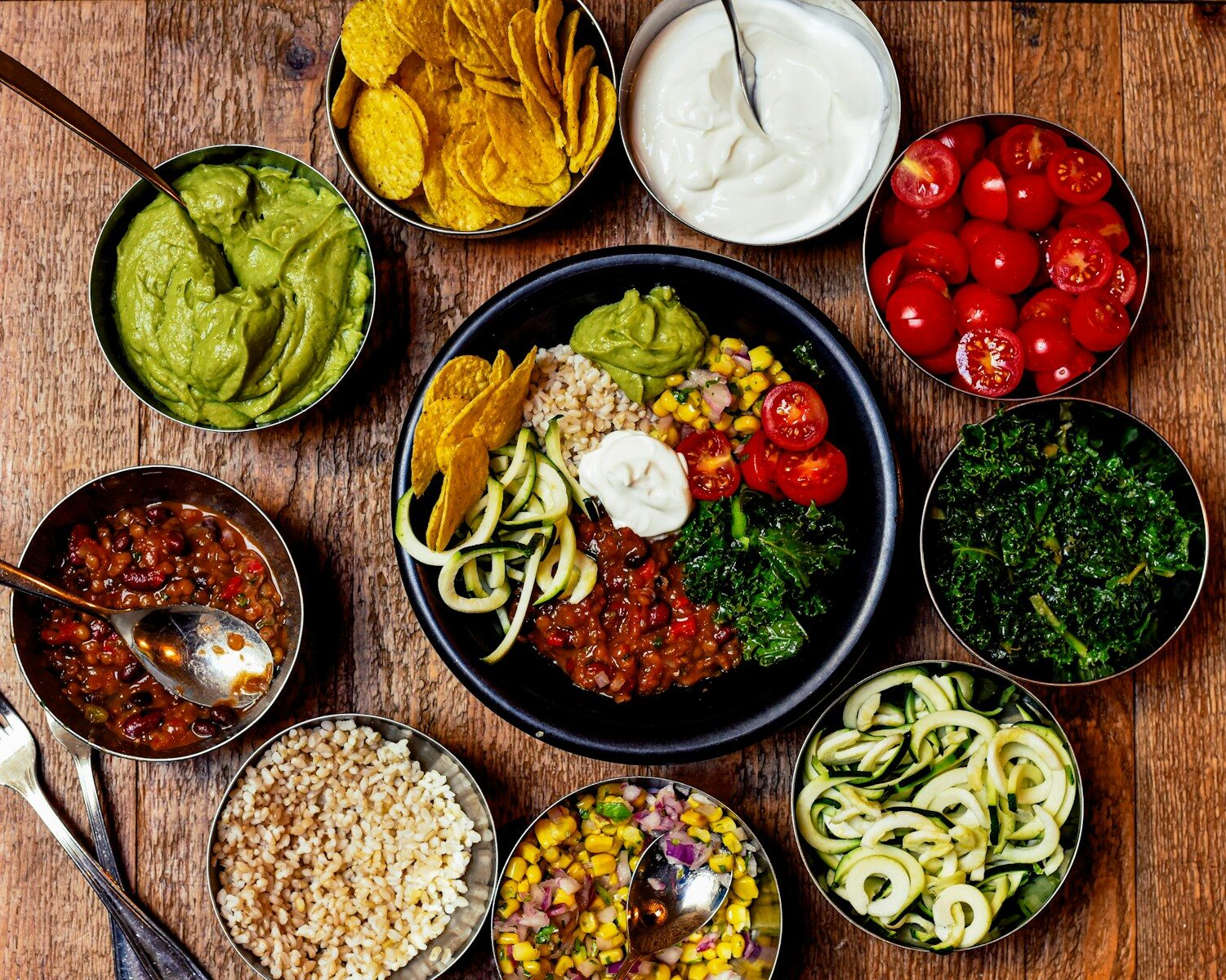
Meal planning is a practical way to organize your daily food choices and maintain a balanced diet. Instead of deciding what to eat at the last minute, a meal plan helps you prepare nutritious meals in advance. It can save time, reduce food waste, support healthy eating habits, and make it easier to reach personal nutrition goals.
A good meal plan does not need to be complicated or expensive. With a little preparation, you can create meals that include essential nutrients while still enjoying your favorite foods.
What Is a Meal Plan?
A meal plan is a schedule that outlines what you intend to eat during a specific period, such as one day or one week. It can include breakfast, lunch, dinner, and healthy snacks.
Meal plans can be designed according to different needs and lifestyles. Some people create meal plans to eat more vegetables, while others may want to manage their portions, save money, or make healthier food choices.
The most effective meal plan is one that is realistic and easy to follow. There is no single meal plan that works for everyone.
Benefits of Meal Planning
One of the biggest advantages of meal planning is convenience. When you already know what you will eat, you spend less time thinking about meals every day.
Meal planning can also help you make healthier choices. When nutritious ingredients are available at home, you may be less likely to depend on fast food or highly processed snacks.
Another benefit is better grocery shopping. Creating a meal plan before going to the store allows you to make a shopping list based on what you actually need. This can reduce unnecessary purchases and help control food expenses.
Meal planning may also reduce food waste because ingredients can be purchased and prepared according to the meals you have planned.
How to Create a Balanced Meal Plan
A balanced meal plan should include a variety of foods. Try to include vegetables, fruits, whole grains, protein-rich foods, and healthy sources of fat throughout the day.
For breakfast, you might choose oatmeal with fruit and nuts, eggs with whole-grain toast, or plain yogurt with berries.
Lunch could include grilled chicken with vegetables and brown rice, a bean and vegetable salad, or a whole-grain sandwich with a side of fruit.
For dinner, options could include baked fish with vegetables, lentil curry with brown rice, or grilled chicken with a large salad.
Healthy snacks can include fruit, yogurt, nuts, seeds, or cut vegetables.
Sample One-Day Meal Plan
A simple one-day meal plan might look like this:
Breakfast: Oatmeal topped with banana, berries, and a small amount of nuts.
Morning Snack: An apple or another piece of fresh fruit.
Lunch: Grilled chicken, brown rice, and mixed vegetables with a fresh salad.
Afternoon Snack: Plain yogurt with fruit.
Dinner: Baked fish or lentils served with vegetables and a whole-grain food.
Drinks: Water throughout the day, with unsweetened tea or other low-sugar beverages if desired.
This is only an example. Individual food requirements can vary depending on age, activity level, preferences, and other factors.
Weekly Meal Planning
Planning meals for an entire week can make healthy eating even easier. Start by choosing several breakfast, lunch, and dinner options that you enjoy. You do not need to prepare a completely different meal every day.
For example, you can prepare a large batch of brown rice, beans, or roasted vegetables and use them in different meals during the week. Chicken, eggs, lentils, or fish can provide different protein options.
Using leftovers creatively can also save time. Leftover vegetables from dinner can be added to an omelet or salad the next day.
Meal Preparation Tips
Meal preparation, often called meal prep, can make your plan easier to follow. Choose one or two days each week to wash vegetables, prepare ingredients, cook grains, or prepare protein sources.
Store prepared foods safely in appropriate containers and refrigerate foods that require refrigeration.
It is also helpful to keep healthy foods easily accessible. Fresh fruit, yogurt, nuts, and prepared vegetables can make convenient snack choices when hunger strikes.
Meal Plans for Busy People
People with busy schedules often find meal planning particularly useful. Preparing breakfast the night before or cooking several meals at once can save valuable time.
Simple meals can be just as nutritious as complicated recipes. A bowl containing whole grains, vegetables, beans, and a protein source can be prepared quickly. A whole-grain sandwich with vegetables and lean protein can also make an easy lunch.
Keeping a few nutritious frozen or shelf-stable ingredients at home can help when you do not have time to cook.
Healthy Meal Planning on a Budget
Eating healthy does not always have to be expensive. Beans, lentils, oats, rice, seasonal vegetables, eggs, and frozen fruits and vegetables can be affordable options.
Buying foods that are in season may help reduce costs. Planning meals around ingredients you already have at home can also prevent unnecessary spending.
It is useful to compare prices, buy only what you need, and avoid purchasing large amounts of food that may go unused.
Common Meal Planning Mistakes
One common mistake is making a meal plan that is too strict. If a plan is unrealistic, it can become difficult to maintain. It is better to create flexible meals and allow occasional changes.
Another mistake is choosing the same foods every day. Eating a variety of foods helps provide different nutrients and keeps meals interesting.
Skipping snacks or meals simply because they were not included in the plan can also be unnecessary. A meal plan should support your lifestyle rather than make eating stressful.
Making Meal Plans Sustainable
The best meal plan is one that you can follow consistently. Consider your schedule, cooking skills, food preferences, and budget when creating your plan.
It is also important to listen to your hunger and fullness cues. A meal plan can provide structure, but it does not have to be followed perfectly every day.
If your nutritional needs are specific because of a medical condition or other health concern, consider discussing your diet with a qualified healthcare professional or registered dietitian.
Conclusion
Meal planning is a simple strategy that can make healthy eating more organized, affordable, and convenient. By planning balanced meals, preparing ingredients in advance, and keeping nutritious foods available, you can develop healthier eating habits without making food complicated.
Whether you plan meals for one day or an entire week, focus on variety, balance, and flexibility. A practical meal plan can help you enjoy nutritious foods while making your everyday routine easier and more manageable.