
Introduction
Healthy eating is one of the most important habits you can develop for a long and active life. The foods you eat every day affect your energy, mood, immune system, and overall health. A balanced diet provides your body with the nutrients it needs to function properly and helps reduce the risk of many chronic diseases, including obesity, heart disease, type 2 diabetes, and high blood pressure.
Healthy eating is not about following strict diets or giving up your favorite foods. Instead, it is about making smarter food choices, eating balanced meals, and practicing healthy habits consistently. Small changes in your daily routine can make a big difference over time.
This guide explains healthy eating habits, their benefits, and practical tips to help you build a healthier lifestyle.
What Are Healthy Eating Habits?
Healthy eating habits are daily practices that help your body receive the right balance of nutrients. These habits include eating a variety of foods, controlling portion sizes, drinking enough water, limiting processed foods, and choosing fresh, natural ingredients whenever possible.
A healthy eating routine supports both physical and mental well-being and helps maintain a healthy body weight.
Why Healthy Eating Is Important
Your body needs carbohydrates, proteins, healthy fats, vitamins, minerals, fiber, and water to function efficiently. Without proper nutrition, you may experience fatigue, poor concentration, weak immunity, and an increased risk of illness.
Healthy eating can help you:
- Boost your immune system
- Improve digestion
- Increase daily energy
- Maintain a healthy weight
- Support brain function
- Improve heart health
- Strengthen bones and muscles
- Enhance skin and hair health
- Reduce the risk of chronic diseases
- Improve overall quality of life
Build a Balanced Plate
Every meal should include foods from different food groups.
Vegetables
Fill about half of your plate with colorful vegetables such as spinach, broccoli, carrots, cucumbers, tomatoes, peppers, and cabbage.
These foods provide vitamins, minerals, antioxidants, and fiber while being naturally low in calories.
Fruits
Fresh fruits offer natural sweetness and are packed with nutrients. Apples, bananas, oranges, berries, mangoes, and pears make excellent choices.
Whole Grains
Replace refined grains with healthier options like:
- Brown rice
- Oats
- Whole wheat bread
- Whole wheat pasta
- Quinoa
- Barley
Whole grains provide lasting energy and improve digestion.
Lean Protein
Healthy protein sources include:
- Chicken breast
- Fish
- Eggs
- Lentils
- Beans
- Low-fat dairy
- Tofu
Protein helps repair tissues, build muscles, and keep you feeling full.
Healthy Fats
Healthy fats are essential for brain and heart health.
Choose foods like:
- Avocados
- Almonds
- Walnuts
- Olive oil
- Chia seeds
- Flaxseeds
Eat Breakfast Every Day
Breakfast is often called the most important meal of the day because it provides energy after an overnight fast.
Healthy breakfast ideas include:
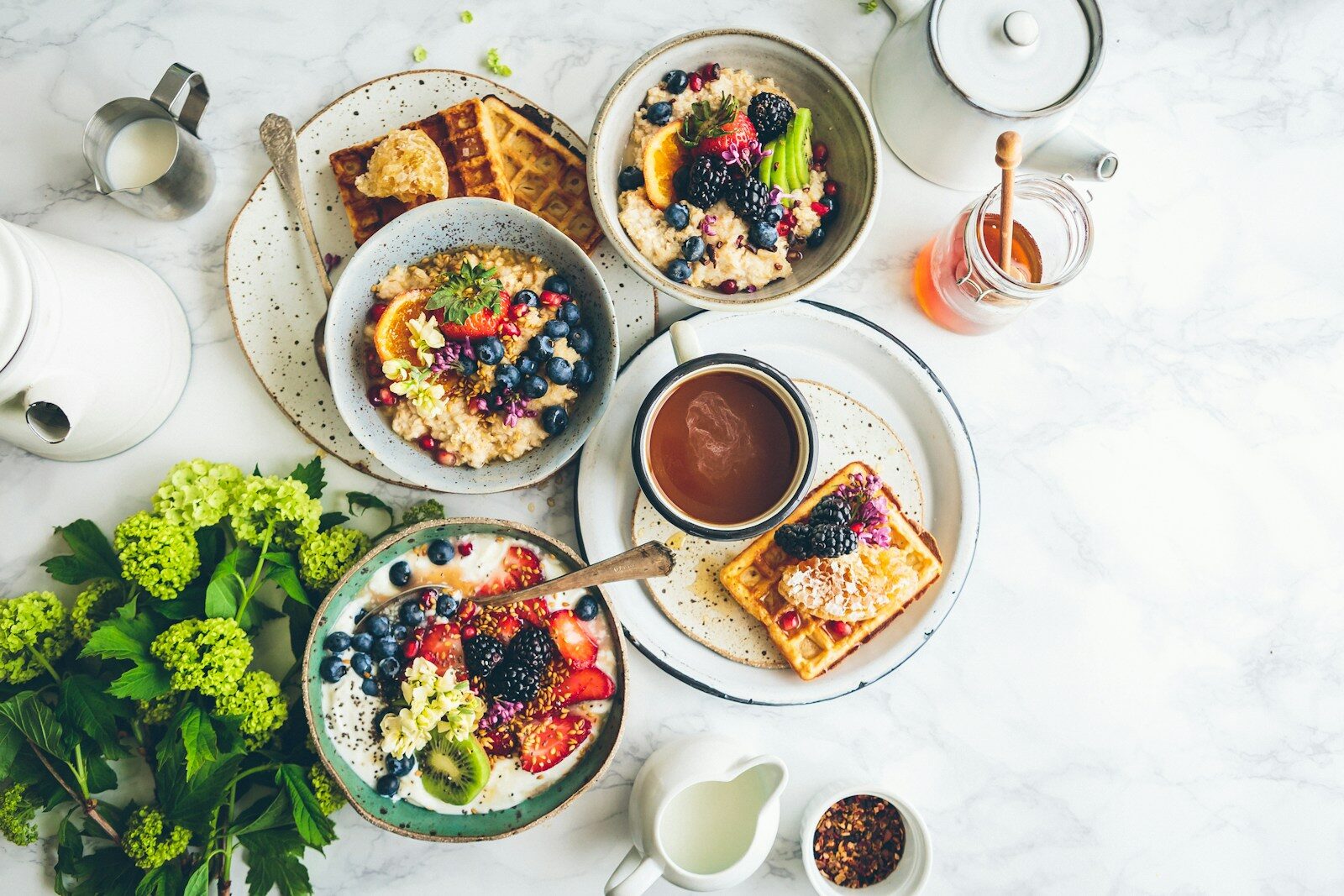
- Oatmeal with fruit
- Boiled eggs
- Whole wheat toast
- Yogurt with berries
- Smoothies made with fresh fruit
A nutritious breakfast improves concentration and reduces unhealthy snacking later in the day.
Stay Hydrated
Water is essential for every function in the body.
Benefits of drinking enough water include:
- Better digestion
- Healthy skin
- Improved brain function
- Increased energy
- Proper body temperature regulation
Most adults should aim for around 8–10 glasses of water each day, depending on activity level and climate.
Control Portion Sizes
Even healthy foods should be eaten in appropriate amounts.
Simple ways to manage portions include:
- Use smaller plates.
- Eat slowly.
- Stop eating when comfortably full.
- Avoid eating directly from large packages.
- Measure servings when necessary.
Portion control helps prevent overeating and supports healthy weight management.
Limit Processed Foods
Processed foods often contain excess sugar, salt, unhealthy fats, and preservatives.
Examples include:
- Chips
- Soft drinks
- Fast food
- Packaged snacks
- Sugary cereals
- Candy
- Frozen meals
Replacing processed foods with fresh alternatives improves overall nutrition.
Include More Fiber
Fiber is important for digestive health and helps you stay full longer.
Foods rich in fiber include:
- Fruits
- Vegetables
- Oats
- Brown rice
- Beans
- Lentils
- Whole grains
Adults should aim to consume plenty of fiber as part of a balanced diet.
Healthy Snacking
Healthy snacks help maintain energy between meals.
Nutritious snack ideas include:
- Fresh fruit
- Mixed nuts
- Yogurt
- Roasted chickpeas
- Vegetable sticks with hummus
- Boiled eggs
Avoid snacks that are high in sugar or unhealthy fats.
Reduce Sugar Intake
Too much added sugar can increase the risk of obesity, diabetes, and heart disease.
Simple ways to reduce sugar include:
- Drink water instead of soda.
- Limit desserts.
- Read food labels.
- Choose plain yogurt instead of flavored varieties.
- Eat fresh fruit instead of sweets.
Reduce Salt Consumption
Eating too much salt may raise blood pressure.
Tips to reduce salt:
- Use herbs and spices for flavor.
- Limit processed foods.
- Taste food before adding salt.
- Cook more meals at home.
Healthy Cooking Methods
The way food is cooked affects its nutritional value.
Choose healthier cooking methods such as:
- Grilling
- Baking
- Steaming
- Boiling
- Air frying with minimal oil
Avoid deep frying whenever possible.
Practice Mindful Eating
Mindful eating means paying attention to your food and eating without distractions.
Helpful habits include:
- Eat slowly.
- Chew thoroughly.
- Enjoy every bite.
- Avoid eating while watching television.
- Listen to your body’s hunger signals.
Mindful eating often leads to better digestion and improved portion control.
Combine Healthy Eating with Exercise
Nutrition and physical activity work together.
Aim for at least 30 minutes of moderate exercise most days of the week.
Good activities include:
- Walking
- Cycling
- Swimming
- Jogging
- Strength training
- Yoga
Exercise improves heart health, supports weight management, and boosts mental health.
Common Healthy Eating Mistakes
Many people unknowingly develop habits that affect their health.
Common mistakes include:
- Skipping meals
- Drinking sugary beverages daily
- Eating too much fast food
- Not drinking enough water
- Eating too quickly
- Consuming too many processed snacks
- Ignoring portion sizes
Recognizing these habits is the first step toward healthier living.
Long-Term Benefits of Healthy Eating
Consistent healthy eating offers lifelong benefits, including:
- Lower risk of heart disease
- Better blood sugar control
- Stronger immune system
- Improved mental focus
- Healthier digestion
- Better sleep quality
- Increased energy
- Healthier skin
- Strong bones
- Longer life expectancy
Healthy habits formed today can provide benefits for many years to come.
Conclusion
Healthy eating is not about perfection—it is about making better choices every day. By filling your plate with fruits, vegetables, whole grains, lean proteins, and healthy fats, you provide your body with the nutrition it needs to thrive. Drinking enough water, limiting processed foods, controlling portions, and staying active are equally important parts of a healthy lifestyle.
Remember that lasting change happens gradually. Start with one or two healthy habits, stay consistent, and build from there. Over time, these simple choices will help you enjoy more energy, better health, and a happier life.