
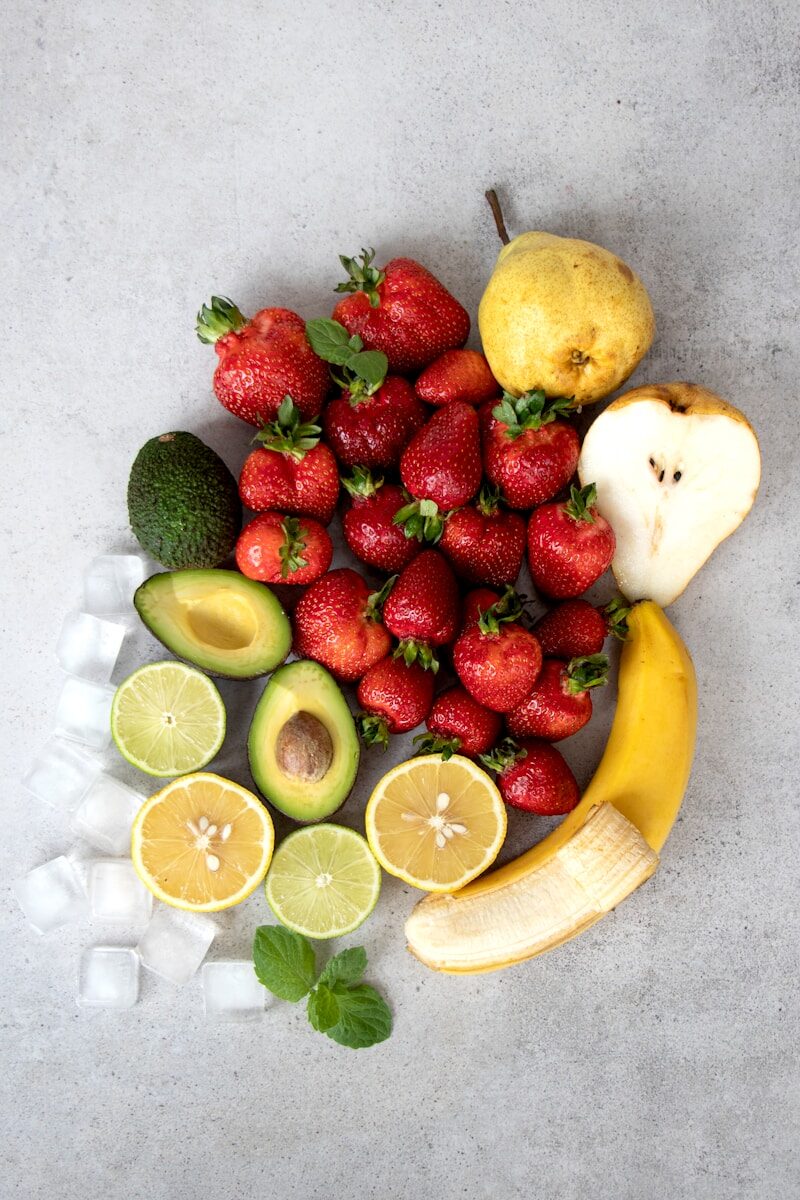
Eating healthy foods is one of the simplest ways to support overall health, improve energy, and maintain a balanced lifestyle. The food we eat provides the nutrients our bodies need to function properly, including vitamins, minerals, protein, healthy fats, carbohydrates, and fiber. A healthy diet does not mean giving up all the foods you enjoy. Instead, it means making better choices more often and creating a balanced relationship with food.
In today’s busy lifestyle, many people depend on processed meals, sugary snacks, and fast food. While these foods may be convenient, eating too much of them can make it difficult to maintain a nutritious diet. Choosing fresh, whole, and nutrient-rich foods can help you build healthier eating habits that are easier to maintain in the long term.
What Are Healthy Foods?
Healthy foods are foods that provide important nutrients while supporting the normal functions of the body. These foods are generally rich in vitamins, minerals, fiber, protein, and other beneficial nutrients.
Examples include fresh fruits, vegetables, whole grains, beans, lentils, nuts, seeds, eggs, fish, and other sources of lean protein. These foods can be combined in many different ways to create delicious and satisfying meals.
A healthy diet is not about eating one particular food. It is about variety and balance. Different foods provide different nutrients, so eating a wide range of nutritious foods can help ensure that your body receives what it needs.
Fruits and Vegetables
Fruits and vegetables are among the most important parts of a healthy diet. They contain vitamins, minerals, fiber, antioxidants, and naturally occurring plant compounds.
Fruits such as apples, bananas, oranges, berries, mangoes, and pears can make convenient snacks or healthy additions to breakfast. Vegetables such as spinach, carrots, broccoli, tomatoes, cucumbers, and bell peppers can be added to salads, soups, sandwiches, and main meals.
Eating different colors of fruits and vegetables is a simple way to add variety to your diet. Each type can provide a different combination of nutrients.
Whole Grains
Whole grains are another important part of healthy eating. Unlike refined grains, whole grains contain more of the naturally occurring parts of the grain and can provide valuable fiber and nutrients.
Examples include oats, brown rice, whole-wheat bread, barley, quinoa, and whole-grain cereals. Including whole grains in meals can make them more filling and provide a steady source of carbohydrates for everyday activities.
For example, you can start your day with oatmeal, choose whole-grain bread for sandwiches, or use brown rice instead of refined rice for some meals.
Protein-Rich Foods
Protein is an essential nutrient that helps support muscles and many other functions in the body. Healthy sources of protein include eggs, fish, chicken, beans, lentils, peas, yogurt, milk, nuts, and seeds.
Plant-based protein sources such as beans and lentils can be especially useful because they also provide fiber and other nutrients. Fish can provide protein as well as beneficial fats, while eggs and yogurt can be convenient choices for breakfast or snacks.
The best approach is to include a variety of protein sources rather than depending on only one type of food.
Healthy Fats
Not all fats should be treated the same. The body needs certain fats for normal functions, but choosing healthier sources can be a better approach than consuming large amounts of foods high in saturated or trans fats.
Healthy fat sources include avocados, nuts, seeds, olives, and certain fish. Nuts and seeds can be added to oatmeal, yogurt, salads, or smoothies for extra nutrition and texture.
Because fats are energy-dense, portion sizes still matter. A balanced diet includes healthy fats without relying on excessive amounts.
The Importance of Fiber
Fiber is an important component of a nutritious diet. It is naturally found in plant foods such as fruits, vegetables, whole grains, beans, peas, nuts, and seeds.
Including fiber-rich foods in meals can help support digestive health and contribute to feelings of fullness. Instead of suddenly making major changes, people can gradually increase their intake of fruits, vegetables, legumes, and whole grains while drinking enough fluids.
Simple changes, such as adding vegetables to lunch or choosing fruit instead of a highly processed snack, can make a meaningful difference in everyday eating habits.
Healthy Breakfast Ideas
Breakfast can be an opportunity to start the day with nutritious foods. A balanced breakfast might include oatmeal topped with fruit and nuts, eggs with whole-grain toast and vegetables, or plain yogurt with berries and seeds.
The goal is not to create complicated meals. Simple combinations of protein, whole grains, fruits, or vegetables can provide a satisfying start to the day.
If you are not hungry early in the morning, you can choose a nutritious meal later rather than forcing yourself to eat a large breakfast.
Smart Snacking
Snacks can easily become a source of excess sugar, salt, or calories when people regularly choose highly processed foods. Planning nutritious snacks can make healthy eating easier.
Good options include fresh fruit, unsweetened yogurt, a small handful of nuts, boiled eggs, vegetables with hummus, or whole-grain foods. Keeping healthy snacks available at home or work can reduce the temptation to choose less nutritious options when hunger appears.
Drink More Water
Hydration is another important part of a healthy lifestyle. Water is essential for many body functions, and drinking water regularly can help maintain normal hydration.
Sugary drinks can add significant amounts of added sugar to the diet, especially when consumed frequently. Choosing water more often is a simple way to improve everyday beverage choices. Unsweetened tea and other low-sugar options can also provide variety.
Individual fluid needs vary depending on factors such as activity, climate, and health status, so it is important to pay attention to your body’s needs.
Limit Highly Processed Foods
Processed foods are not automatically unhealthy, and many processed foods can be part of a balanced diet. However, highly processed foods may contain large amounts of added sugar, sodium, or unhealthy fats.
Examples can include certain packaged snacks, sugary beverages, sweets, and some fast-food meals. Instead of completely eliminating these foods, focus on moderation and make nutrient-rich foods the foundation of your diet.
Reading nutrition labels can help you understand what you are buying and make more informed choices.
Build a Balanced Plate
One practical way to create healthier meals is to think about balance. Try including vegetables or fruits, a protein source, and a nutritious carbohydrate source in your meals. Add a moderate amount of healthy fat when appropriate.
For example, a balanced meal might include grilled fish, brown rice, and a mixed vegetable salad. Another option could be lentils with whole-grain bread and cooked vegetables.
You do not need to make every meal perfect. Consistency over time is more important than perfection.
Benefits of Healthy Eating
A nutritious eating pattern can support many aspects of overall wellness. Healthy foods provide nutrients needed for normal body functions, while a balanced diet can support energy levels, digestive health, and healthy body weight.
Good nutrition can also complement other healthy habits, including regular physical activity, adequate sleep, stress management, and maintaining good hydration.
It is important to remember that diet affects people differently. Individuals with specific health conditions or dietary requirements should consider speaking with a qualified healthcare professional or registered dietitian for personalized advice.
Final Thoughts
Healthy eating does not have to be complicated or expensive. Small, practical changes can gradually create better eating habits. Add more fruits and vegetables, choose whole grains more often, include a variety of protein sources, enjoy healthy fats in reasonable portions, drink water regularly, and limit highly processed foods.
The most successful healthy diet is one that is balanced, enjoyable, realistic, and sustainable. Rather than searching for a perfect diet, focus on making nutritious choices consistently. With simple daily improvements, healthy foods can become a natural and enjoyable part of your lifestyle.