
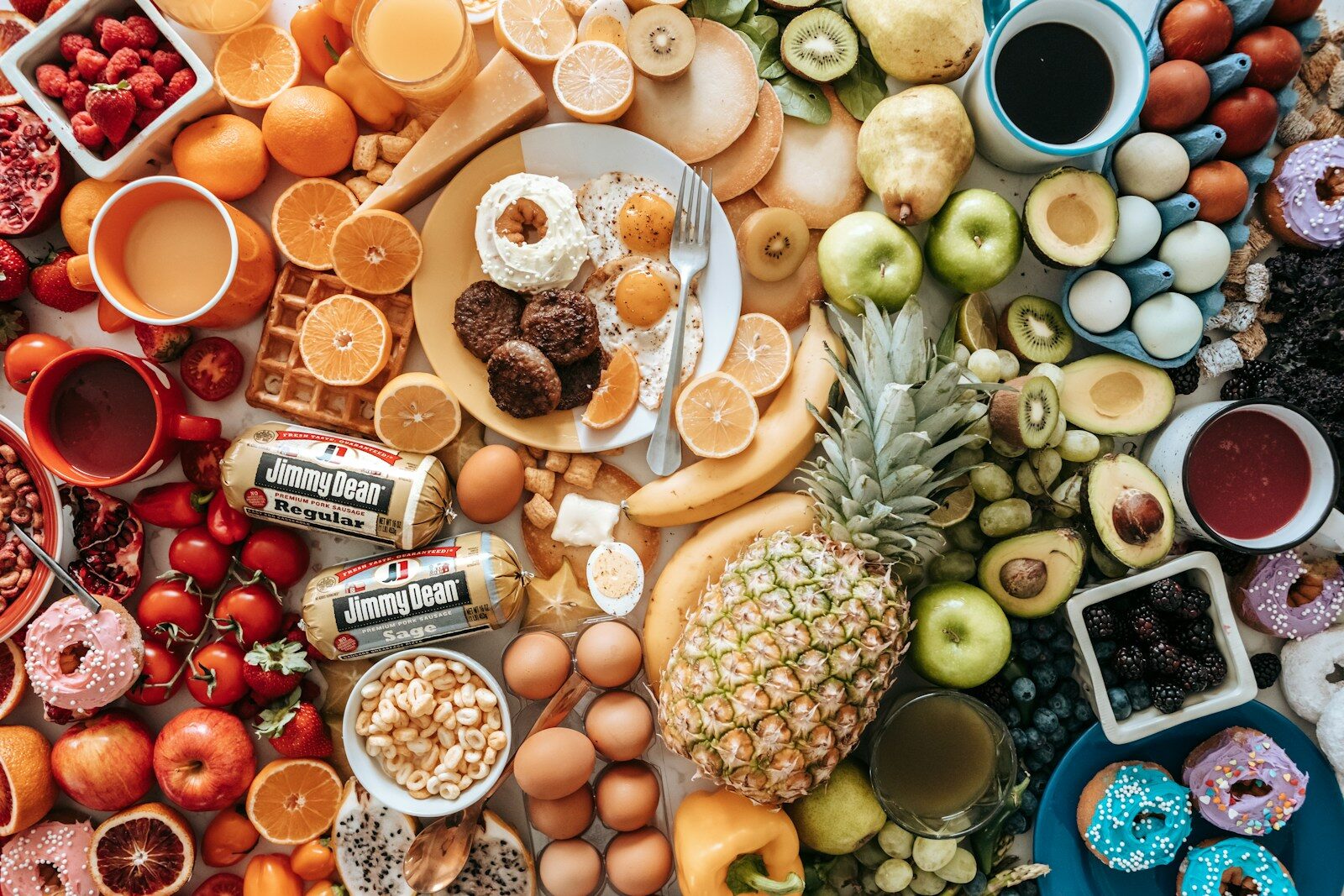
Healthy food plays an important role in maintaining a strong body, a healthy mind, and a balanced lifestyle. The foods we eat provide the energy and nutrients our bodies need to function properly. A healthy diet does not mean giving up all the foods we enjoy. Instead, it means choosing nutritious foods more often and creating a balanced eating pattern that supports overall well-being.
What Are Healthy Foods?
Healthy foods are foods that provide essential nutrients such as vitamins, minerals, protein, fiber, healthy fats, and complex carbohydrates. These nutrients help the body grow, repair tissues, maintain energy levels, and support the immune system.
Fresh fruits and vegetables, whole grains, lean proteins, beans, nuts, seeds, and healthy dairy products are excellent examples of nutritious foods. Choosing a variety of foods from different food groups helps ensure that the body receives a wide range of important nutrients.
Fruits and Vegetables
Fruits and vegetables are among the most important parts of a healthy diet. They contain vitamins, minerals, antioxidants, and fiber that can support overall health.
Apples, bananas, oranges, berries, mangoes, and pears are nutritious fruit choices. Vegetables such as spinach, carrots, broccoli, tomatoes, cucumbers, and bell peppers can also provide many valuable nutrients.
Eating a variety of colorful fruits and vegetables is a simple way to improve your diet. Different colors often represent different beneficial plant compounds. Fresh, frozen, or appropriately prepared vegetables can all be part of a healthy eating pattern.
Whole Grains
Whole grains are another important source of nutrition. Unlike refined grains, whole grains contain more of the grain’s natural components and are generally higher in fiber.
Oats, brown rice, whole-wheat bread, barley, quinoa, and whole-grain cereals are examples of healthy grain choices. Fiber can help support digestive health and may also help people feel full for longer.
Replacing refined grain products with whole-grain alternatives can be a practical step toward a healthier diet.
Healthy Sources of Protein
Protein is essential for building and repairing muscles, supporting body tissues, and maintaining many important bodily functions. There are many nutritious sources of protein, including eggs, fish, chicken, beans, lentils, peas, yogurt, nuts, and seeds.
Plant-based proteins such as beans and lentils can be especially useful because they also provide fiber and other nutrients. Fish can provide protein along with beneficial fats, while eggs and yogurt can be convenient additions to balanced meals.
Choosing a variety of protein sources can make meals more nutritious and enjoyable.
Healthy Fats
Fat is an important nutrient, but the type of fat matters. Healthy fats can be found in foods such as avocados, nuts, seeds, olives, and certain types of fish.
These foods can be included in moderate amounts as part of a balanced diet. For example, adding a small amount of nuts to breakfast or using olive oil when preparing vegetables can be a simple way to include healthy fats.
It is also helpful to limit foods that are high in unhealthy fats, particularly when they are eaten frequently.
Dairy and Alternatives
Milk, yogurt, and other dairy products can provide important nutrients, including protein and calcium. Calcium is especially important for maintaining strong bones and teeth.
People who do not consume dairy can choose suitable fortified alternatives, depending on their nutritional needs. When selecting yogurt or similar products, checking the nutrition label and choosing options with less added sugar can be helpful.
The Importance of Water
Water is often overlooked when discussing healthy foods, but staying hydrated is essential for the body. Water supports digestion, circulation, temperature regulation, and many other functions.
Instead of drinking sugary beverages regularly, choosing water can be an easy way to reduce added sugar intake. Unsweetened tea and other low-sugar beverages can also be included in a healthy lifestyle.
Benefits of Eating Healthy Foods
A nutritious diet can provide many benefits. Eating balanced meals may help support healthy body weight, stable energy levels, digestion, immune function, and heart health.
Healthy foods can also help people feel more satisfied after meals. Foods containing fiber, protein, and healthy fats can contribute to fullness and make it easier to maintain regular eating habits.
A healthy diet is also important for long-term well-being. Combined with regular physical activity, sufficient sleep, and other healthy habits, nutritious eating can contribute to a healthier lifestyle.
How to Build a Healthy Meal
Creating a balanced meal does not have to be complicated. A simple approach is to include vegetables or fruit, a source of protein, a whole-grain or other nutritious carbohydrate, and a moderate amount of healthy fat.
For example, a meal could include grilled chicken, brown rice, and mixed vegetables. Another option could be lentils with whole-grain bread and a fresh salad. Breakfast might include oatmeal topped with fruit and a small serving of nuts.
Planning meals in advance can also make healthy eating easier, especially for people with busy schedules.
Foods to Limit
Healthy eating is not about completely banning specific foods. However, some foods are best consumed less frequently because they can be high in added sugars, sodium, or unhealthy fats.
Examples include sugary drinks, highly processed snacks, excessive sweets, and many fried foods. Eating these foods occasionally does not automatically make a diet unhealthy, but they should not replace nutrient-rich foods on a regular basis.
Reading nutrition labels can help people make informed choices about packaged foods.
Conclusion
Healthy foods are the foundation of a balanced and active lifestyle. Fruits, vegetables, whole grains, lean proteins, healthy fats, and nutritious dairy or alternatives can provide the nutrients the body needs every day.
The key is variety, balance, and moderation. Instead of following extreme diets, people can focus on making small, sustainable improvements to their everyday meals. Choosing more whole and minimally processed foods, drinking enough water, and enjoying a wide variety of nutritious ingredients can make healthy eating both practical and enjoyable.
A healthy diet is not about perfection. It is about making better choices consistently and developing eating habits that can support good health for years to come.