
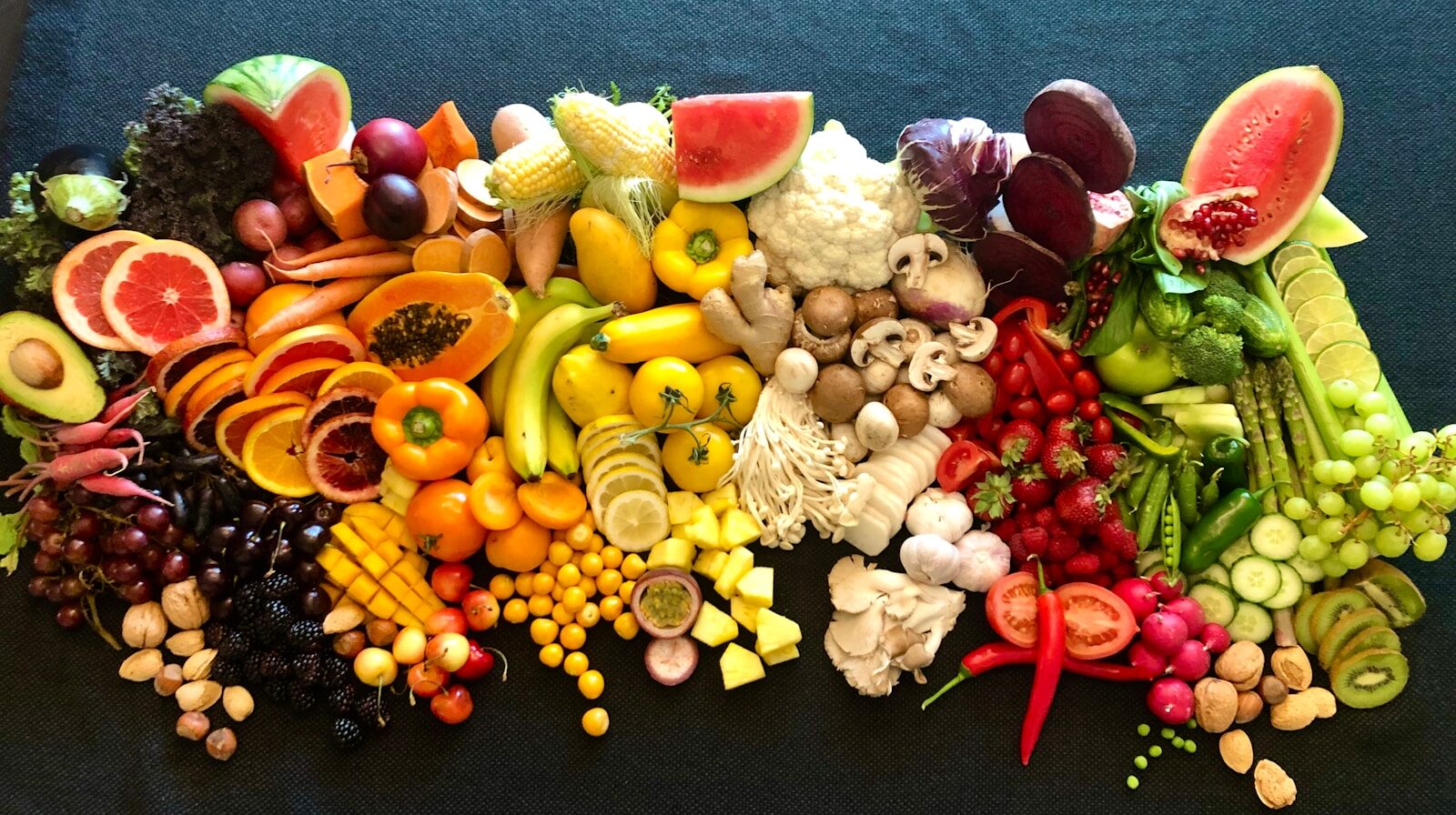
Eating healthy food is one of the most important habits for maintaining a strong body, a healthy mind, and a better quality of life. In today’s busy world, many people rely on fast food, sugary drinks, processed snacks, and meals that are high in unhealthy fats and salt. While these foods may be convenient, eating too much of them can negatively affect overall health. A balanced diet based on nutritious foods can provide the energy and essential nutrients the body needs to function properly.
What Are Healthy Foods?
Healthy foods are foods that provide important nutrients such as vitamins, minerals, protein, fiber, healthy fats, and carbohydrates. These nutrients support the body’s daily functions, strengthen the immune system, and help maintain healthy growth and development.
Fresh fruits and vegetables, whole grains, beans, lentils, nuts, seeds, eggs, fish, lean meat, and dairy products can all be part of a healthy diet. The goal is not to completely avoid certain foods but to create a balanced eating pattern that provides a wide variety of nutrients.
Fruits and Vegetables
Fruits and vegetables are among the most important parts of a healthy diet. They contain vitamins, minerals, antioxidants, and dietary fiber that can support overall health.
Apples, bananas, oranges, berries, mangoes, and guavas are examples of nutritious fruits. Vegetables such as spinach, carrots, tomatoes, broccoli, cucumbers, and bell peppers also provide valuable nutrients.
Eating a variety of colorful fruits and vegetables is beneficial because different colors often represent different plant compounds and nutrients. Fresh fruits can make a healthy snack, while vegetables can be included in salads, soups, curries, and main meals.
Whole Grains
Whole grains are another important source of healthy carbohydrates and fiber. Unlike refined grains, whole grains contain more of the natural grain and can provide greater nutritional value.
Oats, brown rice, whole-wheat bread, barley, and whole-grain cereals are common examples. Whole grains can provide long-lasting energy and help make meals more filling.
For people who regularly eat rice or bread, choosing whole-grain options more often can be a simple way to improve the nutritional quality of their diet.
Protein-Rich Foods
Protein is essential for building and repairing tissues and supporting muscles. It is also important for many processes that take place inside the body.
Healthy sources of protein include eggs, fish, chicken, beans, lentils, chickpeas, yogurt, milk, nuts, and seeds. Plant-based foods such as lentils and beans can be especially useful because they provide both protein and fiber.
Including a source of protein in meals can also help people feel satisfied for longer. A balanced meal might include grilled chicken with vegetables, lentils with whole-grain bread, or eggs with vegetables and whole-grain toast.
Healthy Fats
Fat is an important nutrient, but the type of fat matters. Healthy fats can support normal body functions and help the body absorb certain vitamins.
Avocados, walnuts, almonds, seeds, olive oil, and some types of fish contain beneficial fats. These foods can be included in moderate amounts as part of a balanced diet.
At the same time, it is wise to limit foods that contain large amounts of trans fats and excessive saturated fats. Fried foods and heavily processed snacks should generally be eaten less frequently.
The Importance of Fiber
Fiber is an important part of a healthy eating pattern. It is found naturally in fruits, vegetables, whole grains, beans, lentils, nuts, and seeds.
A fiber-rich diet can support healthy digestion and help people feel full after meals. It is therefore useful to include several sources of fiber throughout the day.
Simple choices such as adding vegetables to lunch and dinner, eating whole fruits instead of drinking fruit juice, and choosing whole grains can increase daily fiber intake.
Healthy Foods and Energy
Food provides the energy needed for everyday activities. Whether a person is working, studying, exercising, or taking care of family responsibilities, the body needs a regular supply of nutrients and energy.
Highly processed foods may provide a quick source of energy but may not offer the wide range of nutrients found in whole foods. A balanced meal containing whole grains, vegetables, protein, and healthy fats can provide a more nutritious source of fuel.
Drinking enough water is also essential. Water helps the body perform many important functions and is generally a better everyday beverage choice than sugary soft drinks.
Healthy Eating Habits
Choosing healthy foods is only one part of a nutritious lifestyle. Eating habits are also important. People can improve their diet by eating a variety of foods, paying attention to portion sizes, and avoiding excessive amounts of added sugar and salt.
Planning meals in advance can make healthy choices easier. Keeping fruits, nuts, yogurt, vegetables, and other nutritious foods available at home can also reduce the temptation to rely on unhealthy snacks.
It is not necessary to make every meal perfect. Small, consistent improvements can make a meaningful difference over time.
Benefits of a Healthy Diet
A nutritious diet can support many aspects of health. Eating a variety of nutrient-rich foods helps provide the vitamins and minerals needed for normal body functions. A balanced diet can also support healthy digestion, energy levels, immune function, and maintaining a healthy body weight.
Healthy eating is especially important when combined with other positive lifestyle habits such as regular physical activity, adequate sleep, stress management, and good hydration.
Conclusion
Healthy foods are an essential part of a balanced and active lifestyle. Fruits, vegetables, whole grains, protein-rich foods, healthy fats, and fiber-rich ingredients can provide the nutrients the body needs every day. Instead of depending heavily on processed and fast foods, people can make healthier choices by adding more natural and nutrient-rich foods to their meals.
Healthy eating does not have to be complicated or expensive. Simple choices such as eating more vegetables, choosing whole grains, including healthy protein sources, drinking water, and limiting highly processed foods can help create better eating habits. By making nutritious food a regular part of daily life, people can take an important step toward supporting their overall well-being and enjoying a healthier future.