
Superfoods have become a popular topic in nutrition and healthy living. The term “superfood” is commonly used to describe foods that are particularly rich in nutrients and beneficial plant compounds. While there is no official scientific category called superfoods, many foods commonly given this name can be valuable additions to a balanced diet.
From berries and leafy green vegetables to nuts, seeds, fish, and legumes, these foods can provide vitamins, minerals, fiber, protein, antioxidants, and healthy fats. Including a variety of nutrient-rich foods in your meals can support overall health and help create healthy eating habits.
What Are Superfoods?
Superfoods are generally foods that contain a high amount of nutrients compared with their calorie content. They may contain antioxidants, vitamins, minerals, fiber, or other naturally occurring compounds that contribute to a nutritious diet.
Examples often include blueberries, spinach, broccoli, salmon, chia seeds, almonds, oats, beans, avocados, and yogurt. However, eating one particular food does not automatically make a diet healthy. Overall dietary patterns and variety are much more important.
Berries
Berries are among the foods frequently described as superfoods. Blueberries, strawberries, raspberries, and blackberries provide vitamins, fiber, and naturally occurring plant compounds.
They can be added to oatmeal, yogurt, smoothies, or salads. Fresh berries are convenient when available, while frozen berries can also be a practical option.
Because berries are naturally sweet, they can be used as an alternative to desserts that contain large amounts of added sugar.
Leafy Green Vegetables
Leafy greens such as spinach, kale, and other dark green vegetables are packed with nutrients. They can provide vitamins, minerals, fiber, and beneficial plant compounds.
Leafy greens can be added to salads, soups, sandwiches, omelets, and cooked dishes. Including different vegetables throughout the week can help increase dietary variety.
Fatty Fish
Fish such as salmon, sardines, and mackerel are nutritious sources of protein and healthy fats. Some fatty fish contain omega-3 fatty acids, which are important components of a balanced diet.
Fish can be baked, grilled, steamed, or added to salads and other meals. Choosing a variety of seafood can provide different nutrients while adding variety to your diet.
Nuts and Seeds
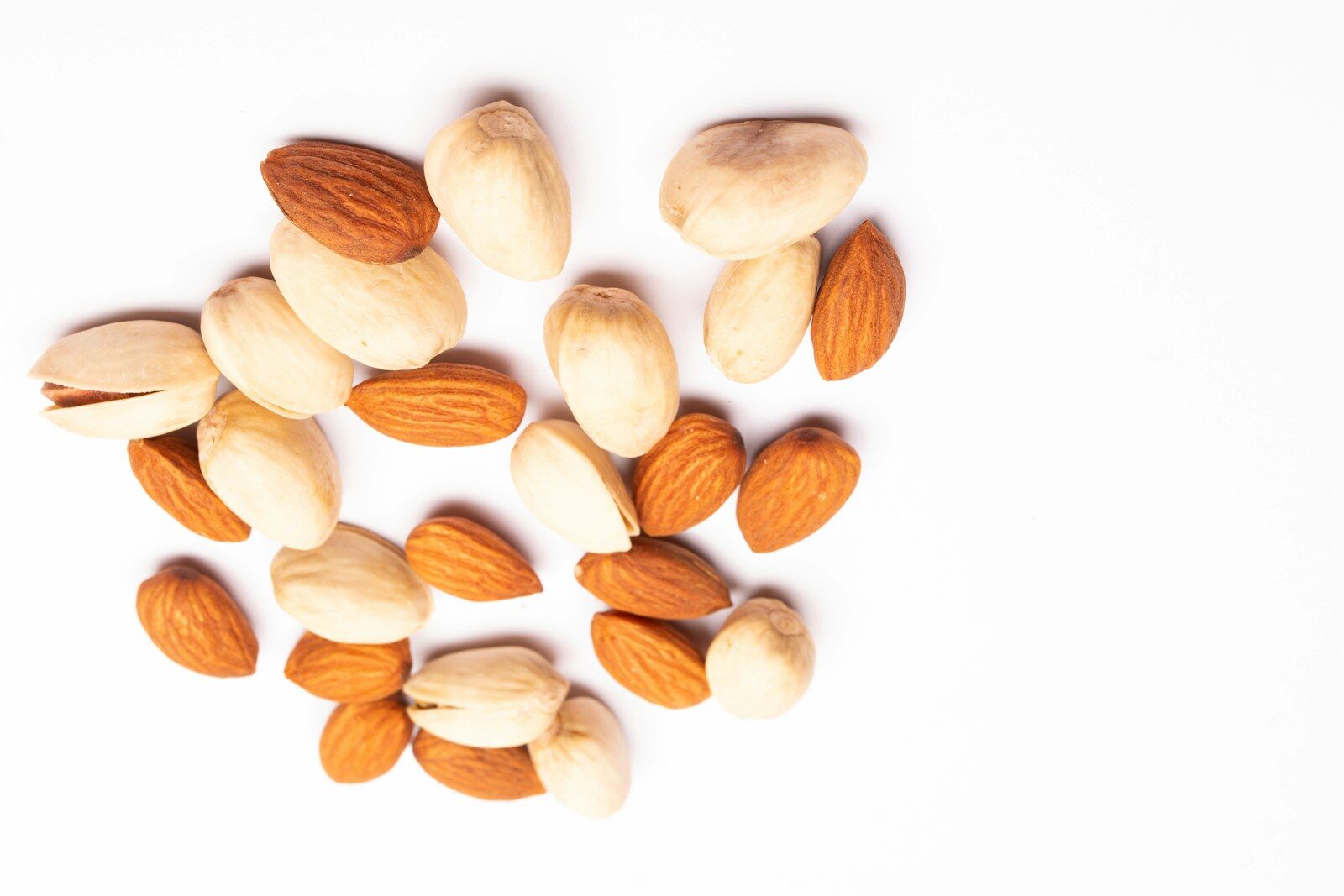
Nuts and seeds are small but nutrient-dense foods. Almonds, walnuts, pumpkin seeds, sunflower seeds, flaxseeds, and chia seeds can provide protein, fiber, minerals, and unsaturated fats.
Because nuts and seeds are calorie-dense, moderate portions can be a practical choice. They can be sprinkled over oatmeal, yogurt, salads, or eaten as a snack.
Avocados
Avocados are well known for their creamy texture and nutritional value. They contain fiber and mostly unsaturated fats, making them a useful addition to balanced meals.
Avocado can be added to whole-grain toast, salads, sandwiches, or homemade dips. It can also be combined with vegetables and protein to create a filling meal.
Beans and Lentils
Beans and lentils are affordable and nutritious foods that provide plant-based protein and fiber. They can be an excellent part of meals for people who want to include more plant foods in their diet.
Kidney beans, chickpeas, black beans, and lentils can be used in soups, curries, salads, rice dishes, and other recipes.
Their versatility makes them especially useful for healthy meal planning.
Oats and Whole Grains
Oats and other whole grains can provide complex carbohydrates and dietary fiber. Oatmeal is a simple breakfast option that can be combined with fruit, nuts, seeds, or yogurt.
Other whole grains, such as brown rice, barley, quinoa, and whole-wheat products, can also be included in balanced meals.
Choosing whole grains more often can be an easy way to improve the nutritional quality of everyday meals.
Yogurt
Yogurt can provide protein and calcium, depending on the type. Some yogurts also contain live cultures.
When choosing yogurt, it can be helpful to check the nutrition label and select options that fit your dietary preferences. Plain yogurt can be combined with fruit and nuts for a simple, nutritious snack or breakfast.
Broccoli and Cruciferous Vegetables
Broccoli, cauliflower, cabbage, and similar vegetables are rich in fiber and various vitamins and minerals. They can be steamed, roasted, stir-fried, or added to soups.
Eating vegetables prepared in different ways can make healthy meals more enjoyable and prevent your diet from becoming repetitive.
Dark Chocolate
Dark chocolate is sometimes included on lists of superfoods because cocoa contains naturally occurring plant compounds. However, chocolate products can also contain significant amounts of added sugar and calories.
If you enjoy dark chocolate, a small portion can be enjoyed as part of an overall balanced diet. It should complement nutritious foods rather than replace them.
How to Add Superfoods to Your Diet
Adding nutrient-rich foods to your meals does not require major changes. Start with small and realistic steps.
You can add berries to breakfast, leafy greens to lunch, beans to dinner, and nuts or seeds to snacks. Replacing refined grains with whole grains and including vegetables with main meals can also improve the overall quality of your diet.
The goal should be variety rather than focusing on one particular food.
Are Superfoods Enough for Good Health?
Superfoods can be nutritious, but no single food provides everything the body needs. A healthy diet requires a combination of different food groups.
Along with nutrient-rich foods, it is important to eat a variety of vegetables, fruits, whole grains, protein sources, and healthy fats. Drinking enough water, staying physically active, getting adequate sleep, and maintaining other healthy habits are also important parts of overall wellness.
It is also wise to be cautious about exaggerated health claims surrounding foods marketed as “superfoods.” Nutrition is more complex than simply adding one special ingredient to your diet.
Conclusion
Superfoods are nutrient-rich foods that can be valuable additions to a healthy and balanced diet. Berries, leafy greens, fatty fish, nuts, seeds, beans, lentils, whole grains, yogurt, and vegetables can provide a wide range of essential nutrients.
The most important principle is not to rely on a single “superfood.” Instead, focus on eating a colorful and varied diet made up of mostly nutritious, minimally processed foods. By making small, consistent changes and enjoying a wide range of healthy ingredients, you can build an eating pattern that supports your overall health and well-being.