
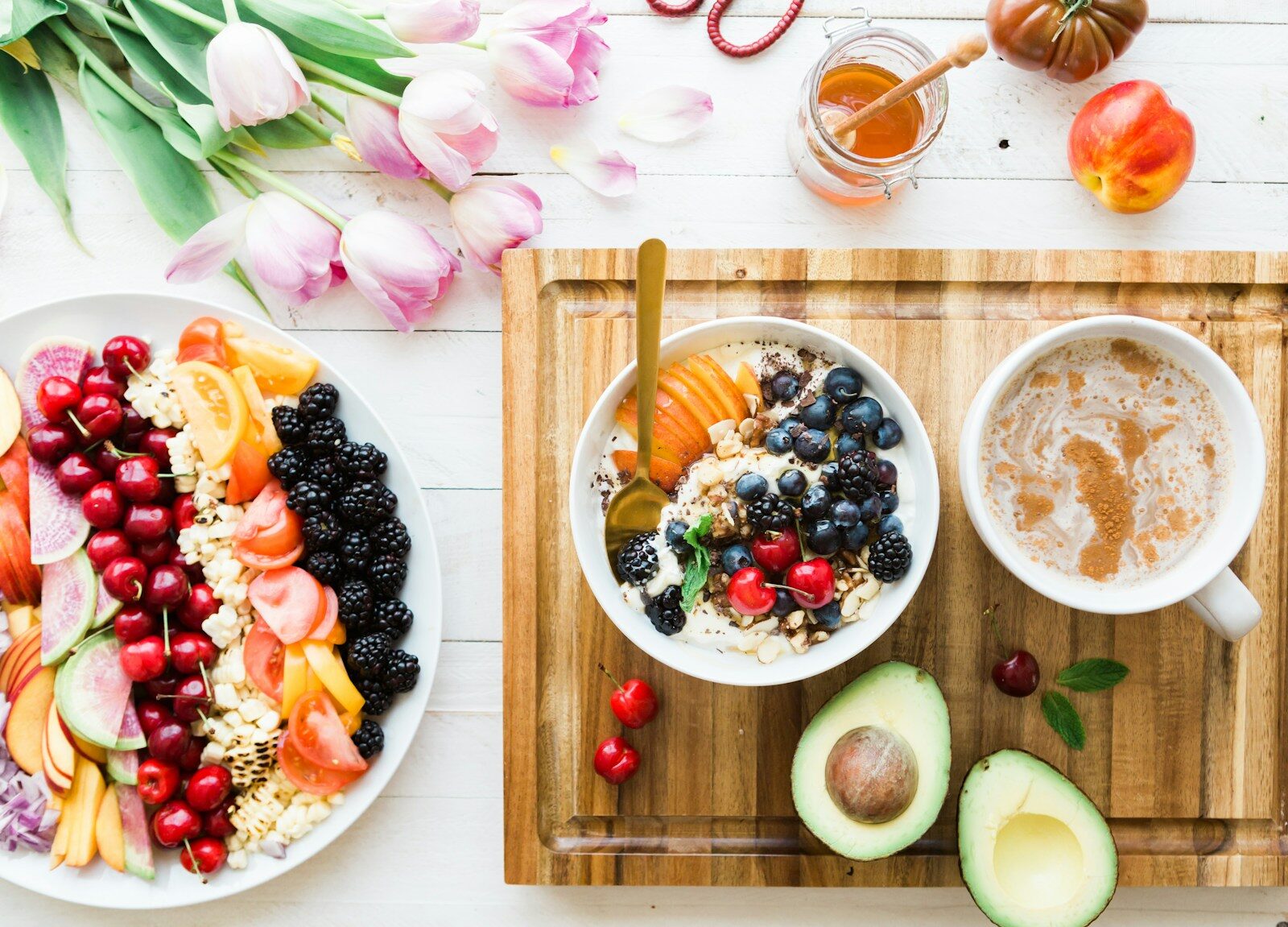
Introduction
A well-planned diet is one of the most effective ways to improve your health and maintain a balanced lifestyle. Many people want to eat healthier but struggle because they don’t know what to cook every day. A 7-day meal plan removes the guesswork by providing a structured schedule of nutritious meals that are easy to prepare and enjoyable to eat.
A healthy meal plan is not about starving yourself or following strict diet rules. Instead, it focuses on eating balanced meals that include lean proteins, whole grains, healthy fats, fruits, vegetables, and enough water. These foods provide your body with essential nutrients while helping you maintain a healthy weight and stay energized throughout the day.
This article explains the benefits of following a weekly meal plan, the foods you should include, and provides a complete 7-day healthy meal plan that can be adapted to your personal needs.
Why Follow a 7-Day Meal Plan?
Planning your meals for the entire week offers many benefits.
Better Nutrition
A planned menu helps ensure you eat a balanced variety of foods instead of relying on processed meals.
Saves Time
Knowing what to cook each day reduces stress and makes grocery shopping easier.
Helps Maintain a Healthy Weight
Meal planning prevents overeating and reduces the temptation to order unhealthy takeout.
Saves Money
Buying ingredients based on a weekly plan helps reduce unnecessary spending and food waste.
Builds Healthy Habits
Following a routine encourages consistent eating patterns that are easier to maintain over time.
Essential Foods for a Healthy Meal Plan
A nutritious meal plan should include foods from all major food groups.
Lean Proteins
- Chicken breast
- Fish
- Eggs
- Turkey
- Lentils
- Beans
- Greek yogurt
Protein helps repair muscles and keeps you feeling full.
Whole Grains
- Brown rice
- Oats
- Whole wheat bread
- Quinoa
- Whole wheat pasta
Whole grains provide long-lasting energy and improve digestion.
Fruits
- Apples
- Bananas
- Oranges
- Berries
- Grapes
- Pears
Fruits supply vitamins, minerals, antioxidants, and natural fiber.
Vegetables
- Spinach
- Broccoli
- Carrots
- Tomatoes
- Cucumbers
- Bell peppers
Vegetables are rich in nutrients while being naturally low in calories.
Healthy Fats
- Olive oil
- Almonds
- Walnuts
- Avocados
- Chia seeds
Healthy fats support heart health and brain function.
7-Day Healthy Meal Plan
Day 1
Breakfast
Oatmeal topped with banana slices and walnuts.
Morning Snack
One apple.
Lunch
Grilled chicken breast with brown rice and steamed broccoli.
Afternoon Snack
Plain Greek yogurt.
Dinner
Grilled salmon with roasted vegetables.
Day 2
Breakfast
Two boiled eggs with whole wheat toast.
Morning Snack
Orange slices.
Lunch
Turkey sandwich on whole wheat bread with a fresh salad.
Afternoon Snack
Mixed almonds and walnuts.
Dinner
Vegetable soup with grilled chicken.
Day 3
Breakfast
Greek yogurt with strawberries and oats.
Morning Snack
Pear.
Lunch
Brown rice with grilled fish and mixed vegetables.
Afternoon Snack
Carrot sticks with hummus.
Dinner
Lentil curry served with whole wheat chapati.
Day 4
Breakfast
Smoothie made with banana, oats, yogurt, and milk.
Morning Snack
Handful of grapes.
Lunch
Chicken salad with olive oil dressing.
Afternoon Snack
Roasted chickpeas.
Dinner
Baked fish with sweet potato and steamed green beans.
Day 5
Breakfast
Whole wheat toast with peanut butter and banana.
Morning Snack
Fresh berries.
Lunch
Quinoa bowl with grilled chicken and vegetables.
Afternoon Snack
Greek yogurt.
Dinner
Vegetable stir-fry served with brown rice.
Day 6
Breakfast
Oatmeal with blueberries and chia seeds.
Morning Snack
Apple.
Lunch
Turkey wrap with whole wheat tortilla and fresh salad.
Afternoon Snack
Mixed nuts.
Dinner
Grilled chicken breast with roasted vegetables.
Day 7
Breakfast
Boiled eggs with avocado on whole wheat toast.
Morning Snack
Orange.
Lunch
Whole wheat pasta with grilled chicken and tomato sauce.
Afternoon Snack
Plain yogurt with berries.
Dinner
Grilled salmon with spinach salad and brown rice.
Healthy Snack Ideas
Snacking between meals can be healthy when you choose nutritious options.
Healthy snacks include:
- Fresh fruit
- Mixed nuts
- Plain yogurt
- Boiled eggs
- Roasted chickpeas
- Cottage cheese
- Vegetable sticks
- Hummus
- Rice cakes
- Homemade smoothies
Healthy snacks help maintain steady energy throughout the day.
Tips for Successful Meal Planning
Meal planning becomes easier when you develop good habits.
Prepare Meals in Advance
Cook several meals at once and store them in containers.
Create a Grocery List
Buying only what you need saves money and reduces waste.
Drink Plenty of Water
Stay hydrated by drinking at least 8–10 glasses of water each day.
Choose Healthy Cooking Methods
Bake, grill, steam, or boil foods instead of deep frying.
Practice Portion Control
Eating appropriate serving sizes helps prevent overeating.
Foods to Avoid
Limit foods that contain excessive sugar, unhealthy fats, and sodium.
These include:
- Sugary drinks
- Fast food
- Deep-fried meals
- Candy
- Cakes
- White bread
- Potato chips
- Processed meat
- Packaged snacks
Reducing these foods supports long-term health and weight management.
Common Meal Planning Mistakes
Avoid these common mistakes:
- Skipping breakfast
- Not eating enough vegetables
- Buying too many unhealthy snacks
- Forgetting healthy snacks
- Drinking sugary beverages
- Planning meals that are too complicated
- Ignoring portion sizes
Keeping your meal plan simple increases your chances of success.
Long-Term Benefits of Following a Meal Plan
Sticking to a healthy meal plan consistently can provide many long-term benefits:
- Better heart health
- Stronger immune system
- Improved digestion
- Increased energy
- Better sleep quality
- Healthier skin
- Stronger bones
- Improved concentration
- Reduced risk of chronic diseases
- Healthy weight maintenance
Healthy eating is one of the best investments you can make in your future.
Conclusion
A 7-day healthy meal plan is a practical way to improve your nutrition, simplify your daily routine, and achieve your health goals. By planning balanced meals that include lean proteins, whole grains, fruits, vegetables, healthy fats, and enough water, you provide your body with the nutrients it needs to perform at its best.
Remember that healthy eating is about consistency, not perfection. Start with a simple weekly plan, prepare your meals in advance, and make gradual improvements over time. These small daily habits can lead to lasting health benefits and help you enjoy a happier, healthier life.