
Introduction
Planning your meals for the week is one of the easiest and most effective ways to maintain a healthy lifestyle. A weekly meal plan helps you make nutritious food choices, save time in the kitchen, reduce food waste, and avoid unhealthy fast food. Whether your goal is to lose weight, gain muscle, improve your energy levels, or simply eat healthier, having a structured meal plan can make a significant difference.
Many people struggle with deciding what to cook every day. This often leads to ordering takeout or eating processed foods that are high in calories, sugar, and unhealthy fats. A weekly meal plan removes the guesswork from healthy eating by organizing meals in advance.
In this article, you’ll learn how to create the perfect weekly meal plan, the benefits of meal planning, essential foods to include, and practical tips to stay consistent.
What Is a Weekly Meal Plan?
A weekly meal plan is a schedule that outlines your breakfast, lunch, dinner, and snacks for seven days. Instead of making daily food decisions, you prepare a plan ahead of time based on your nutritional needs, lifestyle, and personal preferences.
Meal planning doesn’t mean eating the same foods every day. A good meal plan includes a variety of healthy ingredients to ensure your body receives all the nutrients it needs.
Benefits of Weekly Meal Planning
Planning your meals every week provides several advantages.
1. Saves Time
Knowing exactly what you’ll cook each day reduces time spent deciding on meals. Preparing ingredients in advance also speeds up cooking.
2. Supports Healthy Eating
A meal plan encourages healthier choices by reducing the temptation to order fast food or snack on unhealthy items.
3. Helps Control Weight
Meal planning helps you manage portion sizes and calorie intake, making it easier to achieve weight management goals.
4. Reduces Food Waste
Buying only the ingredients you need minimizes waste and saves money.
5. Saves Money
Preparing meals at home is generally much cheaper than eating out regularly.
6. Reduces Daily Stress
Having meals planned ahead makes your daily routine more organized and less stressful.
Foods Every Weekly Meal Plan Should Include
A balanced meal plan should include foods from all major food groups.
Lean Protein
Protein is essential for building muscles, repairing body tissues, and keeping you full for longer.
Healthy protein options include:
- Chicken breast
- Fish
- Eggs
- Turkey
- Lentils
- Beans
- Greek yogurt
- Tofu
Whole Grains
Whole grains provide long-lasting energy and are rich in fiber.
Examples include:
- Brown rice
- Oats
- Whole wheat bread
- Quinoa
- Whole wheat pasta
- Barley
Fresh Vegetables
Vegetables are loaded with vitamins, minerals, antioxidants, and fiber.
Include colorful vegetables such as:
- Spinach
- Broccoli
- Carrots
- Bell peppers
- Cucumbers
- Tomatoes
- Cabbage
Aim to fill half of your plate with vegetables during lunch and dinner.
Fresh Fruits
Fruits provide natural sweetness along with vitamins and antioxidants.
Healthy options include:
- Apples
- Bananas
- Oranges
- Grapes
- Berries
- Pears
- Mangoes
Enjoy fruit as breakfast, snacks, or dessert.
Healthy Fats
Healthy fats support brain function and heart health.
Include:
- Olive oil
- Almonds
- Walnuts
- Avocados
- Chia seeds
- Flaxseeds
Dairy or Dairy Alternatives
Low-fat milk, yogurt, and cheese provide calcium and protein.
If you avoid dairy, choose fortified plant-based alternatives.
Step-by-Step Guide to Creating a Weekly Meal Plan
Step 1: Set Your Health Goal
Before planning meals, identify your objective.
Examples include:
- Weight loss
- Weight maintenance
- Muscle gain
- Better energy
- Improved overall health
Your goal will influence portion sizes and food choices.
Step 2: Plan Breakfast
A healthy breakfast provides energy for the day.
Examples:
- Oatmeal with fruit
- Greek yogurt with berries
- Boiled eggs with whole wheat toast
- Smoothie with banana and oats
Step 3: Plan Lunch
Lunch should include lean protein, vegetables, and whole grains.
Example meals:
- Grilled chicken with brown rice
- Turkey sandwich on whole wheat bread
- Quinoa salad with vegetables
- Lentil soup with whole grain bread
Step 4: Plan Dinner
Dinner should be balanced but not overly heavy.
Good choices include:
- Grilled salmon with vegetables
- Chicken stir-fry
- Vegetable soup
- Baked fish with sweet potatoes
- Bean curry with brown rice
Step 5: Include Healthy Snacks
Healthy snacks help prevent overeating between meals.
Snack ideas:
- Apple slices
- Mixed nuts
- Yogurt
- Carrot sticks
- Roasted chickpeas
- Fresh berries
Grocery Shopping Tips
Shopping with a list makes meal planning easier.
Buy:
- Fresh vegetables
- Fresh fruits
- Lean meats
- Whole grains
- Eggs
- Yogurt
- Nuts
- Olive oil
- Beans
- Herbs and spices
Avoid buying too many processed snacks or sugary drinks.
Meal Preparation Tips
Meal preparation saves time during busy weekdays.
Helpful strategies include:
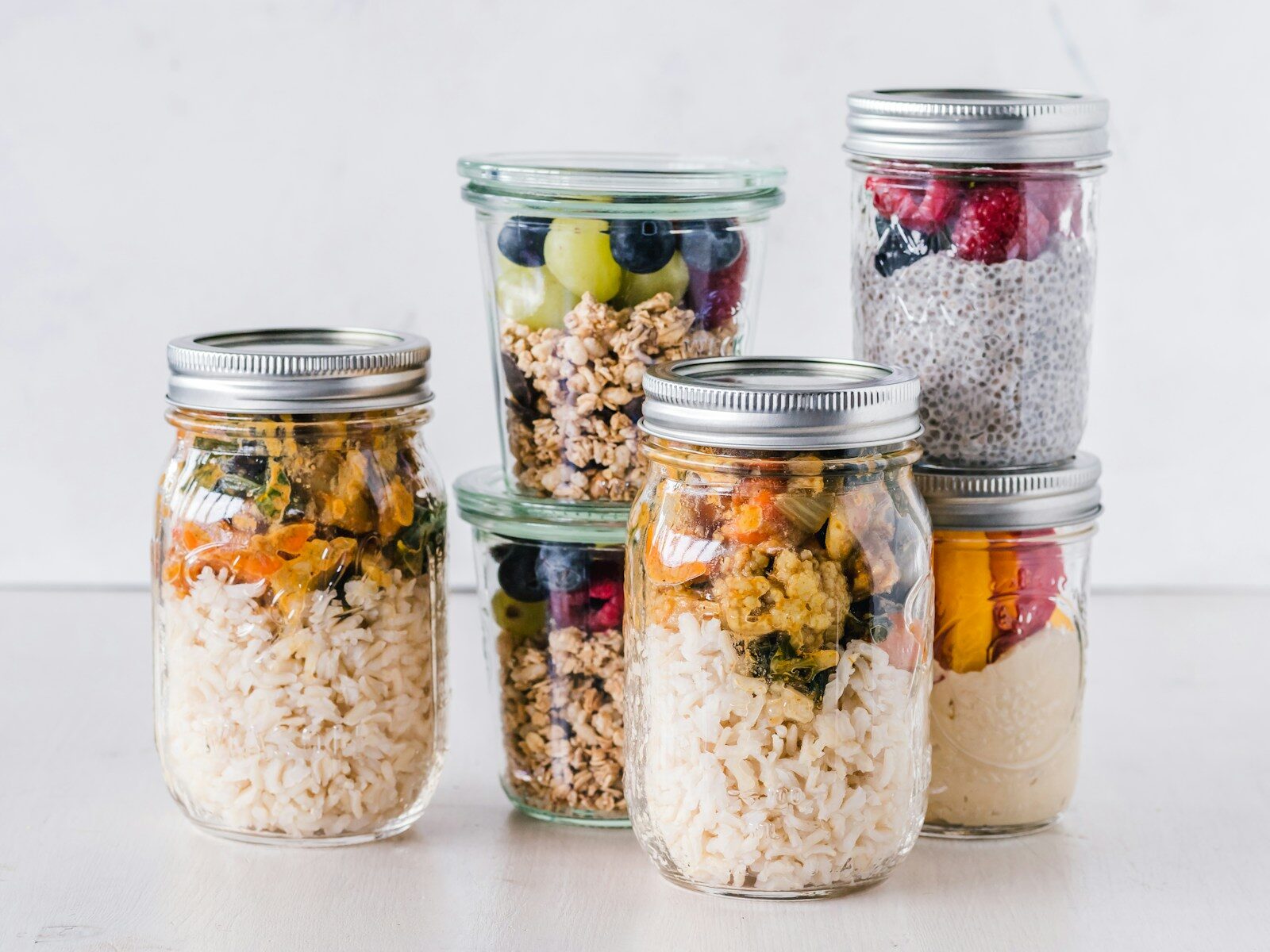
- Cook rice in large batches.
- Grill several chicken breasts at once.
- Wash and chop vegetables in advance.
- Portion meals into containers.
- Freeze extra meals for later.
- Prepare overnight oats for breakfast.
Meal prep helps you stay committed to healthy eating.
Common Meal Planning Mistakes
Many beginners make simple mistakes such as:
- Planning meals that are too complicated.
- Buying more food than needed.
- Ignoring portion sizes.
- Skipping snacks and becoming overly hungry.
- Forgetting to drink water.
- Not including enough vegetables.
Keeping your meal plan simple makes it easier to follow consistently.
Staying Motivated
Following a meal plan becomes easier when you stay motivated.
Tips include:
- Try new healthy recipes.
- Track your progress.
- Celebrate small achievements.
- Cook with family members.
- Keep healthy foods visible.
- Allow occasional treats in moderation.
Healthy eating should feel enjoyable, not restrictive.
Sample One-Day Balanced Meal Plan
Breakfast
Oatmeal topped with banana slices and almonds.
Morning Snack
A fresh apple and a handful of walnuts.
Lunch
Grilled chicken breast, brown rice, mixed vegetables, and a green salad.
Afternoon Snack
Plain Greek yogurt with blueberries.
Dinner
Baked salmon, steamed broccoli, sweet potato, and cucumber salad.
Evening Snack (Optional)
A glass of low-fat milk or a small bowl of fresh fruit.
This meal plan provides a healthy balance of protein, carbohydrates, healthy fats, fiber, vitamins, and minerals.
Conclusion
Creating a weekly meal plan is one of the smartest ways to improve your health and simplify your daily routine. By planning balanced meals that include lean proteins, whole grains, fruits, vegetables, healthy fats, and enough water, you can enjoy better nutrition, maintain a healthy weight, and feel more energetic every day.
Remember that healthy eating is not about being perfect. It is about making better choices consistently. Start with a simple weekly meal plan, prepare your meals ahead of time, and stay flexible when needed. Over time, these healthy habits will become a natural part of your lifestyle, helping you achieve long-term health and wellness.