
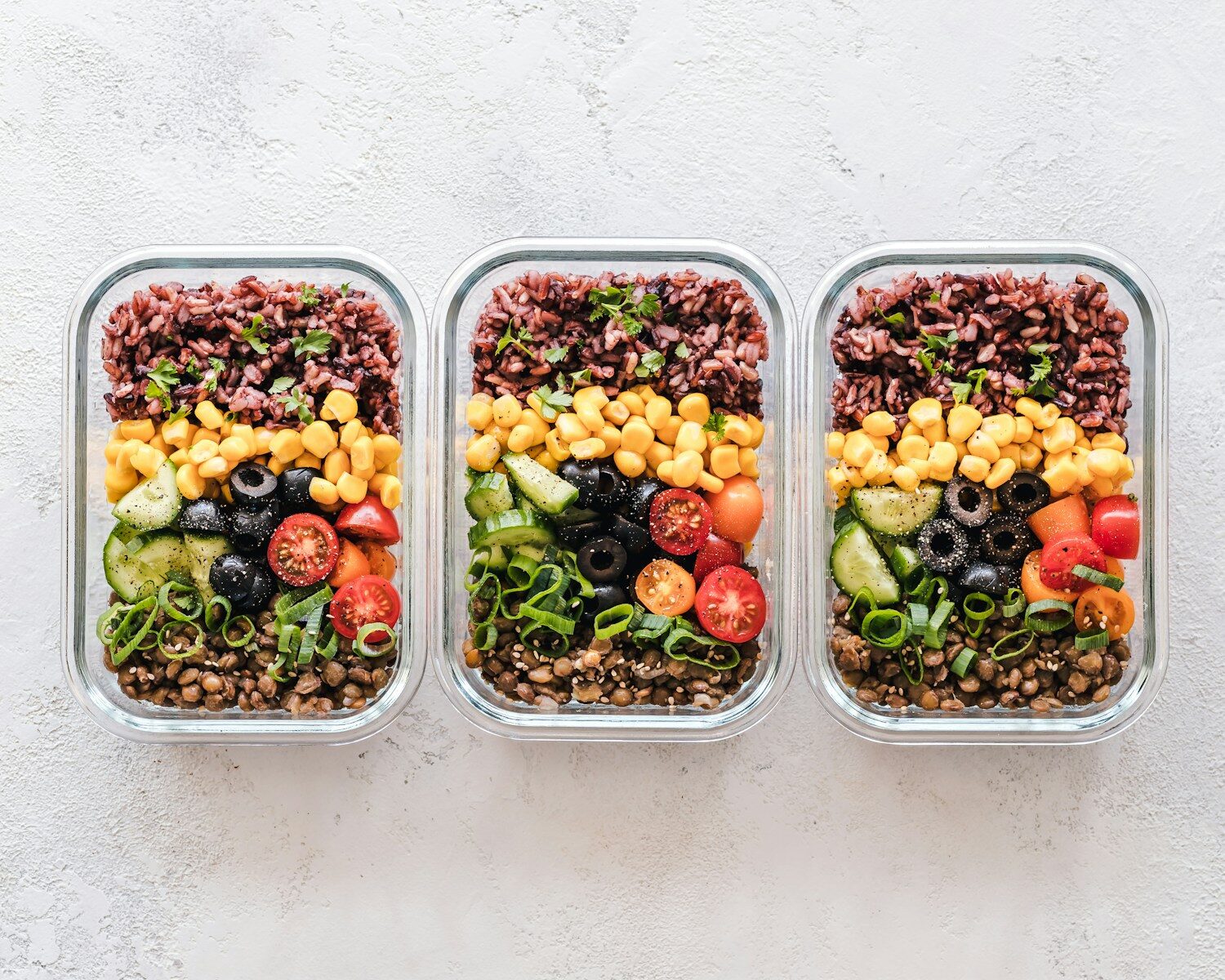
Introduction
A healthy meal plan is one of the most effective ways to improve your overall health, maintain a healthy weight, and enjoy a balanced lifestyle. Instead of deciding what to eat at the last minute, a meal plan helps you organize nutritious meals in advance, making healthy eating easier and more consistent.
Whether your goal is weight loss, weight maintenance, muscle building, or simply living a healthier life, a well-balanced meal plan can help you reach your objectives. It ensures your body receives the right amount of protein, carbohydrates, healthy fats, vitamins, and minerals throughout the day.
In this guide, you’ll learn what a healthy meal plan is, why it’s important, how to create one, and see a sample 7-day meal plan that you can customize to suit your needs.
What Is a Meal Plan?
A meal plan is a schedule that outlines what you will eat for breakfast, lunch, dinner, and snacks over a specific period, usually a week. Planning meals in advance helps you make healthier food choices, save time, reduce food waste, and avoid unhealthy fast food.
A good meal plan focuses on variety, balance, and portion control while ensuring your body gets all the nutrients it needs.
Benefits of Following a Meal Plan
Meal planning offers many health and lifestyle benefits.
Supports Healthy Weight
Planning meals helps control calorie intake and reduces the temptation to eat unhealthy snacks or fast food.
Saves Time
Preparing meals in advance means less time deciding what to cook each day.
Saves Money
Buying ingredients according to a meal plan helps reduce unnecessary grocery purchases and food waste.
Encourages Balanced Nutrition
A proper meal plan includes fruits, vegetables, whole grains, lean proteins, dairy, and healthy fats.
Reduces Stress
Knowing what you’ll eat each day makes daily life easier and eliminates last-minute meal decisions.
Essential Components of a Healthy Meal Plan
Every balanced meal should include foods from different food groups.
Protein
Protein supports muscle growth, tissue repair, and keeps you full longer.
Healthy protein sources include:
- Chicken breast
- Fish
- Eggs
- Lentils
- Beans
- Tofu
- Greek yogurt
Healthy Carbohydrates
Carbohydrates provide the body’s main source of energy.
Choose complex carbohydrates like:
- Brown rice
- Oats
- Sweet potatoes
- Whole wheat bread
- Quinoa
- Whole grain pasta
These foods release energy slowly and help maintain stable blood sugar levels.
Healthy Fats
Healthy fats support brain function and heart health.
Include foods such as:
- Avocados
- Olive oil
- Almonds
- Walnuts
- Chia seeds
- Flaxseeds
Fruits and Vegetables
Aim to fill half your plate with colorful vegetables and fresh fruits.
Excellent choices include:
- Spinach
- Broccoli
- Carrots
- Tomatoes
- Cucumbers
- Apples
- Oranges
- Berries
- Bananas
These foods provide essential vitamins, minerals, antioxidants, and fiber.
Water
Drink plenty of water throughout the day.
Most adults benefit from drinking around 8–10 glasses of water daily, depending on activity level and climate.
Sample 7-Day Healthy Meal Plan
Day 1
Breakfast
Oatmeal with banana and almonds.
Snack
Apple.
Lunch
Grilled chicken with brown rice and steamed broccoli.
Snack
Plain yogurt.
Dinner
Grilled fish with mixed vegetables.
Day 2
Breakfast
Boiled eggs with whole wheat toast.
Snack
Orange.
Lunch
Turkey or chicken salad with olive oil dressing.
Snack
Mixed nuts.
Dinner
Lentil soup with whole wheat bread.
Day 3
Breakfast
Greek yogurt with berries.
Snack
Carrot sticks.
Lunch
Grilled salmon with quinoa and spinach.
Snack
Banana.
Dinner
Vegetable stir-fry with brown rice.
Day 4
Breakfast
Whole grain cereal with low-fat milk.
Snack
Pear.
Lunch
Chicken wrap made with whole wheat tortilla.
Snack
Roasted chickpeas.
Dinner
Grilled chicken with roasted vegetables.
Day 5
Breakfast
Smoothie made with yogurt, berries, and oats.
Snack
Handful of almonds.
Lunch
Brown rice with grilled fish and salad.
Snack
Cucumber slices with hummus.
Dinner
Vegetable soup with whole wheat toast.
Day 6
Breakfast
Boiled eggs and avocado toast.
Snack
Fresh grapes.
Lunch
Bean salad with grilled chicken.
Snack
Plain yogurt.
Dinner
Baked salmon with steamed vegetables.
Day 7
Breakfast
Oatmeal with strawberries.
Snack
Apple.
Lunch
Whole wheat pasta with grilled chicken.
Snack
Mixed nuts.
Dinner
Lentil curry with brown rice and salad.
Healthy Snack Ideas
Healthy snacks help maintain energy between meals and prevent overeating.
Good snack options include:
- Fresh fruit
- Greek yogurt
- Mixed nuts
- Boiled eggs
- Roasted chickpeas
- Cottage cheese
- Vegetable sticks
- Hummus
- Peanut butter with apple slices
- Homemade smoothies
Meal Prep Tips
Meal preparation makes healthy eating much easier.
Helpful tips include:
- Plan meals every weekend.
- Prepare vegetables in advance.
- Cook extra portions for future meals.
- Store meals in airtight containers.
- Freeze leftovers when needed.
- Keep healthy snacks available.
- Make a grocery list before shopping.
Meal prepping saves time and reduces unhealthy eating choices during busy days.
Foods to Limit
To get the best results from your meal plan, reduce the intake of:
- Sugary drinks
- Fried foods
- Processed meats
- Candy
- Cakes
- Cookies
- White bread
- Chips
- Fast food
- Highly processed snacks
These foods are often high in calories, sugar, unhealthy fats, and sodium.
Tips for Sticking to Your Meal Plan
Many people create meal plans but struggle to follow them.
These tips can help:
- Set realistic goals.
- Don’t skip meals.
- Eat at regular times.
- Drink enough water.
- Keep healthy foods at home.
- Allow occasional treats in moderation.
- Stay physically active.
- Prepare meals ahead of time.
- Avoid grocery shopping when hungry.
- Track your progress.
Consistency is more important than perfection.
Common Meal Planning Mistakes
Avoid these common mistakes:
- Planning meals that are too complicated.
- Buying too much food.
- Ignoring portion sizes.
- Skipping vegetables.
- Forgetting healthy snacks.
- Not drinking enough water.
- Depending too much on processed foods.
Simple, balanced meals are often the easiest to maintain.
Conclusion
A healthy meal plan is one of the best tools for improving your nutrition and maintaining a healthy lifestyle. By planning balanced meals that include lean proteins, whole grains, fruits, vegetables, healthy fats, and plenty of water, you can enjoy better energy, improved digestion, and long-term health benefits.
Remember that meal planning is not about strict dieting or giving up your favorite foods. It is about making smarter choices, staying organized, and creating habits that support your health for years to come. Start with a simple weekly plan, prepare meals in advance, and stay consistent. Small changes today can lead to a healthier and happier future.
Introduction
A healthy meal plan is one of the most effective ways to improve your overall health, maintain a healthy weight, and enjoy a balanced lifestyle. Instead of deciding what to eat at the last minute, a meal plan helps you organize nutritious meals in advance, making healthy eating easier and more consistent.
Whether your goal is weight loss, weight maintenance, muscle building, or simply living a healthier life, a well-balanced meal plan can help you reach your objectives. It ensures your body receives the right amount of protein, carbohydrates, healthy fats, vitamins, and minerals throughout the day.
In this guide, you’ll learn what a healthy meal plan is, why it’s important, how to create one, and see a sample 7-day meal plan that you can customize to suit your needs.
What Is a Meal Plan?
A meal plan is a schedule that outlines what you will eat for breakfast, lunch, dinner, and snacks over a specific period, usually a week. Planning meals in advance helps you make healthier food choices, save time, reduce food waste, and avoid unhealthy fast food.
A good meal plan focuses on variety, balance, and portion control while ensuring your body gets all the nutrients it needs.
Benefits of Following a Meal Plan
Meal planning offers many health and lifestyle benefits.
Supports Healthy Weight
Planning meals helps control calorie intake and reduces the temptation to eat unhealthy snacks or fast food.
Saves Time
Preparing meals in advance means less time deciding what to cook each day.
Saves Money
Buying ingredients according to a meal plan helps reduce unnecessary grocery purchases and food waste.
Encourages Balanced Nutrition
A proper meal plan includes fruits, vegetables, whole grains, lean proteins, dairy, and healthy fats.
Reduces Stress
Knowing what you’ll eat each day makes daily life easier and eliminates last-minute meal decisions.
Essential Components of a Healthy Meal Plan
Every balanced meal should include foods from different food groups.
Protein
Protein supports muscle growth, tissue repair, and keeps you full longer.
Healthy protein sources include:
- Chicken breast
- Fish
- Eggs
- Lentils
- Beans
- Tofu
- Greek yogurt
Healthy Carbohydrates
Carbohydrates provide the body’s main source of energy.
Choose complex carbohydrates like:
- Brown rice
- Oats
- Sweet potatoes
- Whole wheat bread
- Quinoa
- Whole grain pasta
These foods release energy slowly and help maintain stable blood sugar levels.
Healthy Fats
Healthy fats support brain function and heart health.
Include foods such as:
- Avocados
- Olive oil
- Almonds
- Walnuts
- Chia seeds
- Flaxseeds
Fruits and Vegetables
Aim to fill half your plate with colorful vegetables and fresh fruits.
Excellent choices include:
- Spinach
- Broccoli
- Carrots
- Tomatoes
- Cucumbers
- Apples
- Oranges
- Berries
- Bananas
These foods provide essential vitamins, minerals, antioxidants, and fiber.
Water
Drink plenty of water throughout the day.
Most adults benefit from drinking around 8–10 glasses of water daily, depending on activity level and climate.
Sample 7-Day Healthy Meal Plan
Day 1
Breakfast
Oatmeal with banana and almonds.
Snack
Apple.
Lunch
Grilled chicken with brown rice and steamed broccoli.
Snack
Plain yogurt.
Dinner
Grilled fish with mixed vegetables.
Day 2
Breakfast
Boiled eggs with whole wheat toast.
Snack
Orange.
Lunch
Turkey or chicken salad with olive oil dressing.
Snack
Mixed nuts.
Dinner
Lentil soup with whole wheat bread.
Day 3
Breakfast
Greek yogurt with berries.
Snack
Carrot sticks.
Lunch
Grilled salmon with quinoa and spinach.
Snack
Banana.
Dinner
Vegetable stir-fry with brown rice.
Day 4
Breakfast
Whole grain cereal with low-fat milk.
Snack
Pear.
Lunch
Chicken wrap made with whole wheat tortilla.
Snack
Roasted chickpeas.
Dinner
Grilled chicken with roasted vegetables.
Day 5
Breakfast
Smoothie made with yogurt, berries, and oats.
Snack
Handful of almonds.
Lunch
Brown rice with grilled fish and salad.
Snack
Cucumber slices with hummus.
Dinner
Vegetable soup with whole wheat toast.
Day 6
Breakfast
Boiled eggs and avocado toast.
Snack
Fresh grapes.
Lunch
Bean salad with grilled chicken.
Snack
Plain yogurt.
Dinner
Baked salmon with steamed vegetables.
Day 7
Breakfast
Oatmeal with strawberries.
Snack
Apple.
Lunch
Whole wheat pasta with grilled chicken.
Snack
Mixed nuts.
Dinner
Lentil curry with brown rice and salad.
Healthy Snack Ideas
Healthy snacks help maintain energy between meals and prevent overeating.
Good snack options include:
- Fresh fruit
- Greek yogurt
- Mixed nuts
- Boiled eggs
- Roasted chickpeas
- Cottage cheese
- Vegetable sticks
- Hummus
- Peanut butter with apple slices
- Homemade smoothies
Meal Prep Tips
Meal preparation makes healthy eating much easier.
Helpful tips include:
- Plan meals every weekend.
- Prepare vegetables in advance.
- Cook extra portions for future meals.
- Store meals in airtight containers.
- Freeze leftovers when needed.
- Keep healthy snacks available.
- Make a grocery list before shopping.
Meal prepping saves time and reduces unhealthy eating choices during busy days.
Foods to Limit
To get the best results from your meal plan, reduce the intake of:
- Sugary drinks
- Fried foods
- Processed meats
- Candy
- Cakes
- Cookies
- White bread
- Chips
- Fast food
- Highly processed snacks
These foods are often high in calories, sugar, unhealthy fats, and sodium.
Tips for Sticking to Your Meal Plan
Many people create meal plans but struggle to follow them.
These tips can help:
- Set realistic goals.
- Don’t skip meals.
- Eat at regular times.
- Drink enough water.
- Keep healthy foods at home.
- Allow occasional treats in moderation.
- Stay physically active.
- Prepare meals ahead of time.
- Avoid grocery shopping when hungry.
- Track your progress.
Consistency is more important than perfection.
Common Meal Planning Mistakes
Avoid these common mistakes:
- Planning meals that are too complicated.
- Buying too much food.
- Ignoring portion sizes.
- Skipping vegetables.
- Forgetting healthy snacks.
- Not drinking enough water.
- Depending too much on processed foods.
Simple, balanced meals are often the easiest to maintain.
Conclusion
A healthy meal plan is one of the best tools for improving your nutrition and maintaining a healthy lifestyle. By planning balanced meals that include lean proteins, whole grains, fruits, vegetables, healthy fats, and plenty of water, you can enjoy better energy, improved digestion, and long-term health benefits.
Remember that meal planning is not about strict dieting or giving up your favorite foods. It is about making smarter choices, staying organized, and creating habits that support your health for years to come. Start with a simple weekly plan, prepare meals in advance, and stay consistent. Small changes today can lead to a healthier and happier future.