
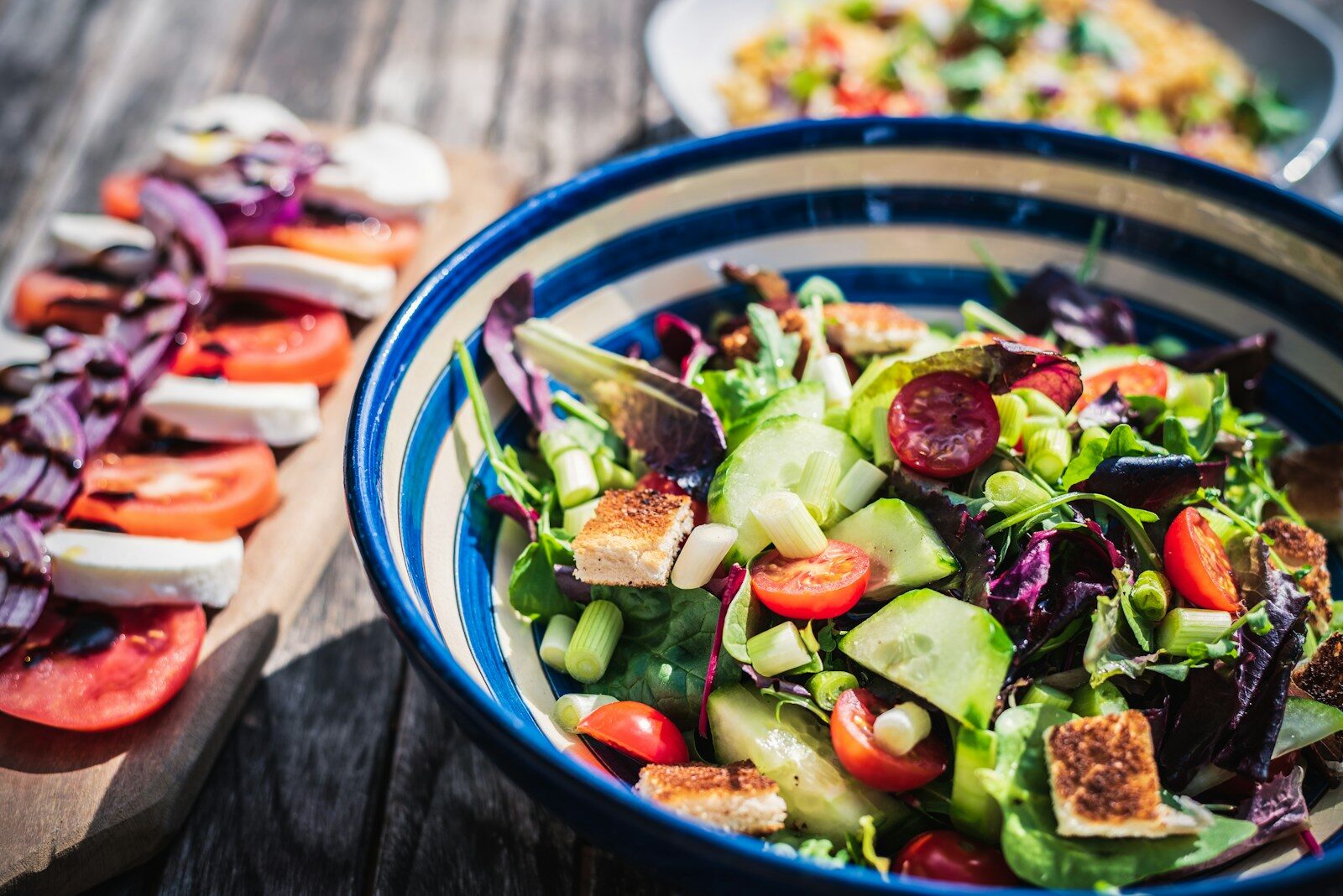
Losing weight is a common goal for many people, but a healthy weight loss diet should focus on more than simply eating less. The goal is to create sustainable eating habits that provide essential nutrients while helping you manage your overall calorie intake. Extreme diets and rapid weight loss may be difficult to maintain, so a balanced and realistic approach is usually more practical.
A healthy weight loss plan can include vegetables, fruits, whole grains, lean proteins, beans, lentils, nuts, seeds, and healthy fats. The key is to choose nutritious foods, manage portions, and develop habits that can be followed over the long term.
What Is a Weight Loss Diet?
A weight loss diet is an eating pattern designed to help a person reduce excess body weight by creating a calorie deficit while still providing adequate nutrition.
A calorie deficit means consuming fewer calories than the body uses over time. However, this does not mean starving yourself or avoiding entire food groups. A nutritious diet with appropriate portions can support gradual weight loss while helping you maintain energy and overall well-being.
Individual calorie and nutritional needs vary based on factors such as age, body size, activity level, and other personal circumstances.
Why Healthy Weight Loss Matters
Gradual and sustainable weight management is generally more practical than extreme dieting. Healthy eating habits can also provide benefits beyond the number on the scale.
A nutritious diet can help support normal energy levels, digestion, muscle maintenance, and overall health. Combining healthy food choices with regular physical activity can make a weight management plan more effective.
Instead of focusing only on short-term results, try to build habits that you can continue for months and years.
Eat More Vegetables
Vegetables are an excellent choice for a weight-conscious diet because many are relatively low in calories while providing fiber, vitamins, minerals, and other nutrients.
Leafy greens, cucumbers, tomatoes, carrots, broccoli, cauliflower, cabbage, and bell peppers can be included in meals and snacks.
Adding vegetables to lunch and dinner can increase the volume and nutritional value of meals without relying heavily on calorie-dense foods.
Choose Protein-Rich Foods
Protein can help make meals satisfying and is important for maintaining muscles. Good sources include eggs, fish, chicken, yogurt, beans, lentils, chickpeas, tofu, nuts, and seeds.
Including protein in each main meal can help create a balanced eating pattern. For example, a meal might combine grilled chicken with vegetables and brown rice, or lentils with vegetables and whole-grain bread.
The best protein choices can vary according to dietary preferences and individual nutritional needs.
Include High-Fiber Foods
Fiber is found naturally in foods such as vegetables, fruits, beans, lentils, whole grains, nuts, and seeds.
Fiber-rich foods can help you feel full and can support digestive health. Replacing some refined grains with whole grains and adding more vegetables and legumes to meals are simple ways to increase fiber intake.
When increasing fiber, it is also important to drink enough fluids.
Choose Healthy Carbohydrates
Carbohydrates are an important source of energy and do not need to be completely removed from a weight loss diet.
Instead, focus on nutrient-rich carbohydrate sources such as oats, brown rice, potatoes, sweet potatoes, whole-grain bread, fruits, beans, and lentils.
Portion size still matters because even nutritious foods provide calories. A balanced approach is usually more sustainable than eliminating carbohydrates entirely.
Healthy Fats in Moderation
Healthy fats can be part of a weight loss diet. Foods such as avocados, nuts, seeds, olive oil, and certain fish provide unsaturated fats and other nutrients.
Because fats are calorie-dense, moderate portions are important. For example, a small amount of nuts or seeds can add nutrition to a meal without making the meal excessively large.
Limit Sugary Drinks
Sugary beverages can add a significant amount of calories without providing much satiety. Soft drinks, sweetened juices, energy drinks, and heavily sweetened teas or coffees can make calorie management more difficult.
Water is generally a good everyday choice. Unsweetened tea or coffee can also be included if they fit your preferences.
Reducing sugary drinks can be a simple first step for people who are trying to improve their diet.
Limit Highly Processed Foods
Highly processed foods can sometimes be high in added sugars, sodium, unhealthy fats, and calories. Examples include some packaged snacks, sweets, fast foods, and heavily processed convenience foods.
You do not necessarily need to eliminate these foods completely. Instead, try to make whole or minimally processed foods the foundation of your diet and enjoy less nutritious foods occasionally.
Portion Control
Portion size is an important part of weight management. Even healthy foods can contribute significant calories when eaten in very large amounts.
Using smaller plates, serving food mindfully, and paying attention to hunger and fullness can help with portion awareness.
Rather than eating quickly, take time to enjoy your meal. This can make it easier to notice when you are comfortably satisfied.
Sample One-Day Weight Loss Meal Plan
A simple day of balanced meals could look like this:
Breakfast: Oatmeal with berries and a small portion of nuts.
Mid-Morning Snack: An apple or another piece of fresh fruit.
Lunch: Grilled chicken with a large mixed vegetable salad and a moderate portion of brown rice.
Afternoon Snack: Plain yogurt with fruit.
Dinner: Lentils or grilled fish with cooked vegetables and a small portion of whole grains.
Drinks: Water throughout the day, with unsweetened tea or coffee if desired.
This is only a general example. Individual meal plans should be adjusted according to personal nutritional needs, preferences, allergies, activity levels, and dietary requirements.
Exercise and Weight Loss
Food choices are an important part of weight management, but physical activity also plays a valuable role. Walking, cycling, swimming, strength training, and other enjoyable activities can help support overall fitness.
Strength exercises can be particularly useful for maintaining muscle while losing weight. The best exercise routine is one that is safe, enjoyable, and realistic for your lifestyle.
If you have health concerns or have been inactive for a long period, professional guidance may be appropriate before starting a new exercise program.
Sleep and Healthy Habits
Weight management is not only about food and exercise. Sleep, stress, daily routines, and eating habits can also influence overall health.
Getting enough quality sleep and maintaining a consistent routine can make it easier to follow healthy habits. Planning meals in advance can also reduce the temptation to choose fast food when you are hungry and short on time.
Common Weight Loss Mistakes
One common mistake is following an extremely restrictive diet. Cutting out too many foods can make a diet difficult to maintain and may leave you feeling deprived.
Another mistake is focusing only on the scale. Changes in body weight can occur for many reasons, and progress should also be considered in terms of eating habits, fitness, energy, and overall well-being.
Skipping meals may also lead to excessive hunger later in the day for some people. A consistent meal pattern that works for you may be easier to maintain.
How to Make Weight Loss Sustainable
The most effective approach is usually one that you can maintain. Set realistic goals, make gradual changes, and focus on building healthy habits instead of searching for quick fixes.
Prepare meals at home when possible, keep nutritious foods available, drink water regularly, and include physical activity in your routine.
If you have a setback, do not consider it a failure. Simply return to your healthy habits at the next meal or the next day.
Conclusion
A healthy weight loss diet should focus on balanced nutrition, appropriate portions, and sustainable lifestyle habits. Vegetables, fruits, whole grains, lean proteins, legumes, nuts, seeds, and healthy fats can form the foundation of a nutritious eating pattern.
Reducing sugary drinks and highly processed foods, managing portions, staying active, and maintaining healthy routines can support long-term weight management.
Most importantly, weight loss does not need to involve extreme dieting. Small, consistent changes are often easier to maintain and can help create a healthier relationship with food. If you have a medical condition, are pregnant, are under 18, or have specific nutritional needs, seek personalized guidance from a qualified healthcare professional before making major dietary changes.