
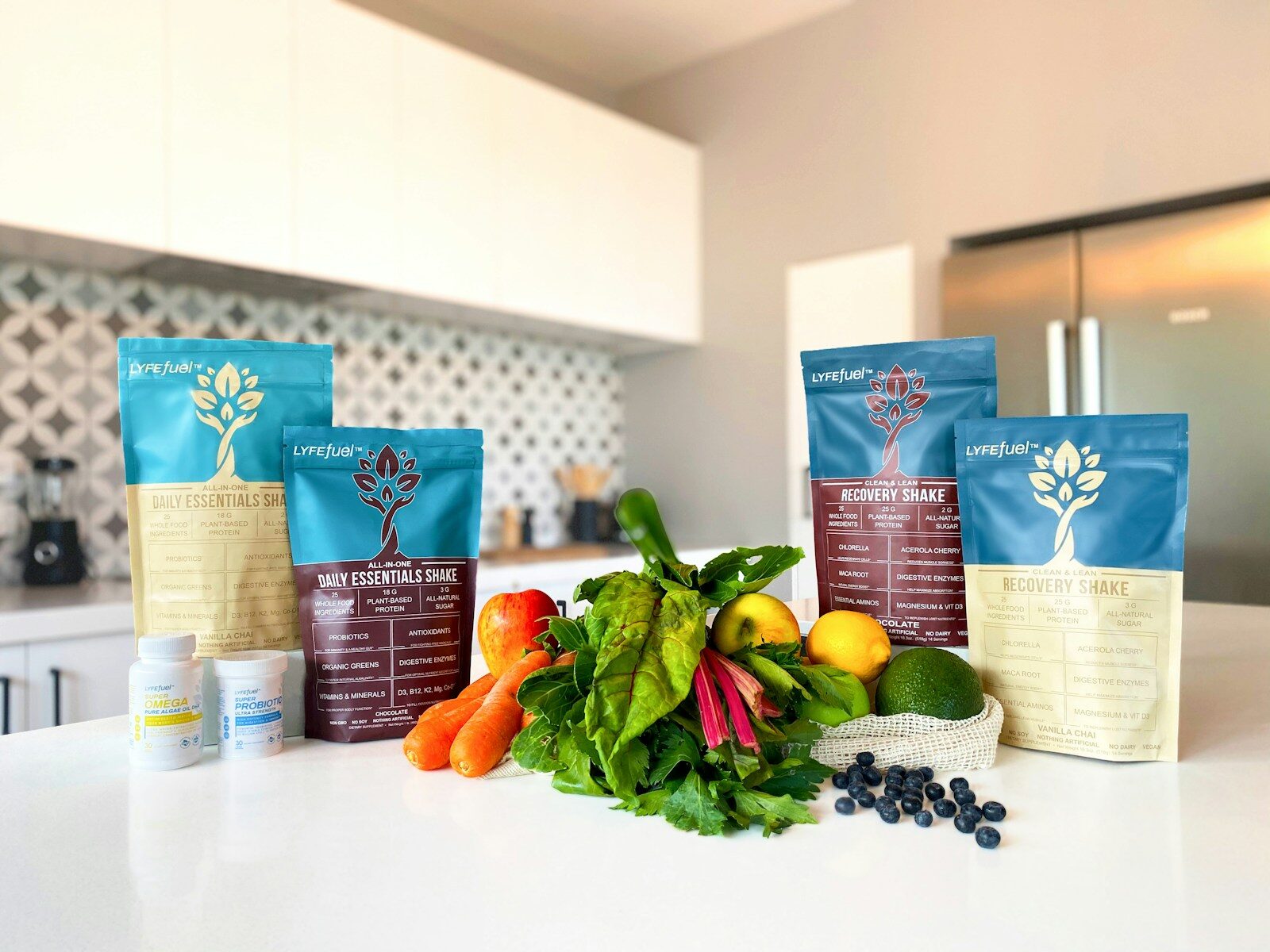
Superfoods have become a popular topic among people who want to improve their diet and make healthier food choices. The term “superfood” is commonly used to describe foods that are especially rich in important nutrients, antioxidants, vitamins, minerals, fiber, or healthy fats.
There is no single food that can provide everything the body needs. However, including a variety of nutrient-dense foods in a balanced diet can support overall health and well-being. From berries and leafy greens to nuts, seeds, fish, and legumes, many everyday foods can be valuable additions to a healthy meal plan.
What Are Superfoods?
Superfoods are foods known for having a high concentration of beneficial nutrients. They may contain vitamins, minerals, antioxidants, fiber, protein, or healthy fats.
Examples include blueberries, spinach, broccoli, avocados, oats, nuts, seeds, beans, lentils, and fatty fish. Some traditional foods from different cultures can also be considered nutrient-dense superfoods.
The important thing to remember is that the word “superfood” is not a scientific category. It is mainly a popular term used to highlight foods with an impressive nutritional profile.
Why Are Superfoods Important?
Nutrient-rich foods can help provide the body with essential substances needed for normal daily functions. A diet containing a variety of fruits, vegetables, whole grains, protein sources, and healthy fats can contribute to overall nutrition.
Many foods commonly called superfoods contain antioxidants. Antioxidants help protect cells from oxidative stress caused by free radicals. Foods rich in fiber can support digestive health, while sources of healthy fats can contribute to a balanced diet.
Rather than relying on one special food, it is better to include a variety of nutritious foods regularly.
Berries
Berries are among the most popular foods associated with healthy eating. Blueberries, strawberries, raspberries, and blackberries contain fiber, vitamins, and naturally occurring plant compounds.
They can be enjoyed fresh or frozen and are easy to add to oatmeal, yogurt, smoothies, or salads.
Berries can also make a nutritious alternative to highly processed sweet snacks. Their natural sweetness makes them a convenient addition to many meals.
Leafy Green Vegetables
Leafy greens such as spinach, kale, and other green vegetables are packed with important nutrients. They can provide vitamins, minerals, fiber, and various plant compounds.
Leafy greens can be added to salads, soups, omelets, sandwiches, and cooked meals. Including different vegetables throughout the week is a simple way to increase dietary variety.
For people who do not enjoy large salads, adding chopped greens to soups, eggs, rice dishes, or smoothies can be an easy alternative.
Nuts and Seeds
Nuts and seeds are small but nutrient-dense foods. Almonds, walnuts, chia seeds, flaxseeds, pumpkin seeds, and sunflower seeds can provide protein, fiber, minerals, and beneficial fats.
Because nuts and seeds are relatively energy-dense, portion size is important. A small serving can be added to oatmeal, yogurt, salads, or homemade snacks.
Choosing unsalted or minimally processed varieties can help keep added sodium and unnecessary ingredients lower.
Fatty Fish
Fatty fish such as salmon, sardines, and mackerel are excellent sources of protein and omega-3 fatty acids. Omega-3 fats are important components of a balanced diet and play several roles in the body.
Including fish in meals can be a nutritious way to increase protein while adding beneficial fats to the diet.
Fish can be baked, grilled, steamed, or cooked with vegetables and whole grains for a balanced meal.
Avocados
Avocados are well known for their creamy texture and healthy fat content. They also provide fiber and several vitamins and minerals.
Avocado can be added to whole-grain toast, salads, sandwiches, wraps, or homemade dips. Its healthy fats can make meals more satisfying.
As with other calorie-dense foods, moderation and appropriate portions are important.
Oats
Oats are an affordable and versatile whole grain. They contain fiber and can be used as part of a nutritious breakfast.
A bowl of oatmeal can be combined with fruit, nuts, seeds, yogurt, or cinnamon. Oats can also be used in homemade energy bites or other recipes.
Choosing plain oats and adding your own fruit can be a simple way to reduce reliance on heavily sweetened breakfast products.
Beans and Lentils
Beans and lentils are excellent plant-based sources of protein and fiber. They are also versatile and can be used in soups, salads, curries, stews, and rice dishes.
Chickpeas, kidney beans, black beans, and lentils can help add nutritional value to meals without requiring expensive ingredients.
These foods are particularly useful for people who want to include more plant-based foods in their diet.
Broccoli and Other Cruciferous Vegetables
Broccoli, cauliflower, cabbage, and similar vegetables contain fiber, vitamins, minerals, and beneficial plant compounds.
They can be steamed, roasted, stir-fried, or added to soups and other dishes. Combining different vegetables can make meals more colorful and nutritionally diverse.
Eating vegetables in a variety of forms can also help prevent meals from becoming repetitive.
Greek Yogurt
Greek yogurt can be a convenient source of protein and calcium. It can be eaten on its own or combined with fruits, oats, nuts, and seeds.
When choosing yogurt, checking the nutrition label can help you find options that fit your dietary preferences. Plain varieties are useful because you can add natural sweetness with fruit.
Dark Chocolate
Dark chocolate with a higher cocoa content contains plant compounds and can be enjoyed as an occasional treat. However, it can also contain significant amounts of added sugar and calories.
The key is moderation. A small portion can fit into an overall balanced diet without turning a healthy eating plan into a restrictive one.
How to Add Superfoods to Your Daily Diet
Adding nutrient-rich foods does not require a major change to your lifestyle. Start with small steps.
Add berries to breakfast, include leafy greens with lunch, use beans or lentils in dinner recipes, and keep nuts or fruit available for convenient snacks. You can also replace refined grains with whole grains and include fish regularly if it suits your dietary preferences.
The goal is variety rather than perfection.
Benefits of Eating a Variety of Nutrient-Rich Foods
A diverse diet can provide a broad range of nutrients. Fruits and vegetables can provide vitamins, minerals, fiber, and plant compounds. Whole grains can provide fiber and other nutrients, while protein-rich foods support normal body functions.
Eating a variety of foods may also make meals more enjoyable and sustainable. Instead of focusing on one “miracle” ingredient, building meals from several nutritious foods is a more practical approach to healthy eating.
Conclusion
Superfoods can be valuable additions to a balanced diet because many of them provide high amounts of essential nutrients and beneficial plant compounds. Berries, leafy greens, nuts, seeds, fatty fish, avocados, oats, beans, lentils, and other nutrient-rich foods can all contribute to a healthy eating pattern.
However, no single food can replace a balanced diet. The best approach is to eat a wide variety of nutritious foods, maintain appropriate portions, stay hydrated, and limit highly processed foods.
By making small and consistent changes, you can enjoy the nutritional benefits of superfoods while creating a healthy and sustainable lifestyle. Good nutrition is not about finding one magical food—it is about making better choices consistently.